
Latik sauce is a sweet coconut syrup made with coconut milk and sugar. It's cooked until thick and caramel-like, then drizzled over Filipino kakanin (rice cakes).
This simple recipe shows how to make latik sauce at home using coconut milk and panutsa (coconut sugar).

Jump to:
What is Latik Sauce?
Latik sauce is a thick coconut syrup made by cooking coconut milk with sugar (usually panutsa).
As it cooks, the mixture reduces and turns into a rich, caramel-like topping used for many Filipino desserts.
Don't confuse this with the other type of latik. That version is made by cooking coconut milk until it separates into oil and toasted coconut curds.
Those crispy coconut curds are used as a topping for desserts like maja blanca and ube kalamay.
Ingredients You'll Need
- Coconut milk: This is the base of the latik. As it cooks with sugar, it thickens and turns into a rich coconut syrup.
- Panutsa: A natural, unrefined coconut sugar that gives latik its deeper caramel flavor. If you can't find it, muscovado or brown sugar works well.
- Salt: Just a pinch helps bring out the flavors.
- Vanilla extract (optional): Adds a little extra flavor, but you can leave it out.

Tools You'll Need
- Saucepan or small pot: Use a heavy-bottomed pan or pot so the sauce cooks evenly and doesn't burn.
- Spatula or wooden spoon: For stirring while the sauce thickens.
How to Make Latik Sauce (Step-by-Step)
NOTE: This recipe makes about 1¾ cups of latik sauce and takes about 15 minutes to cook.
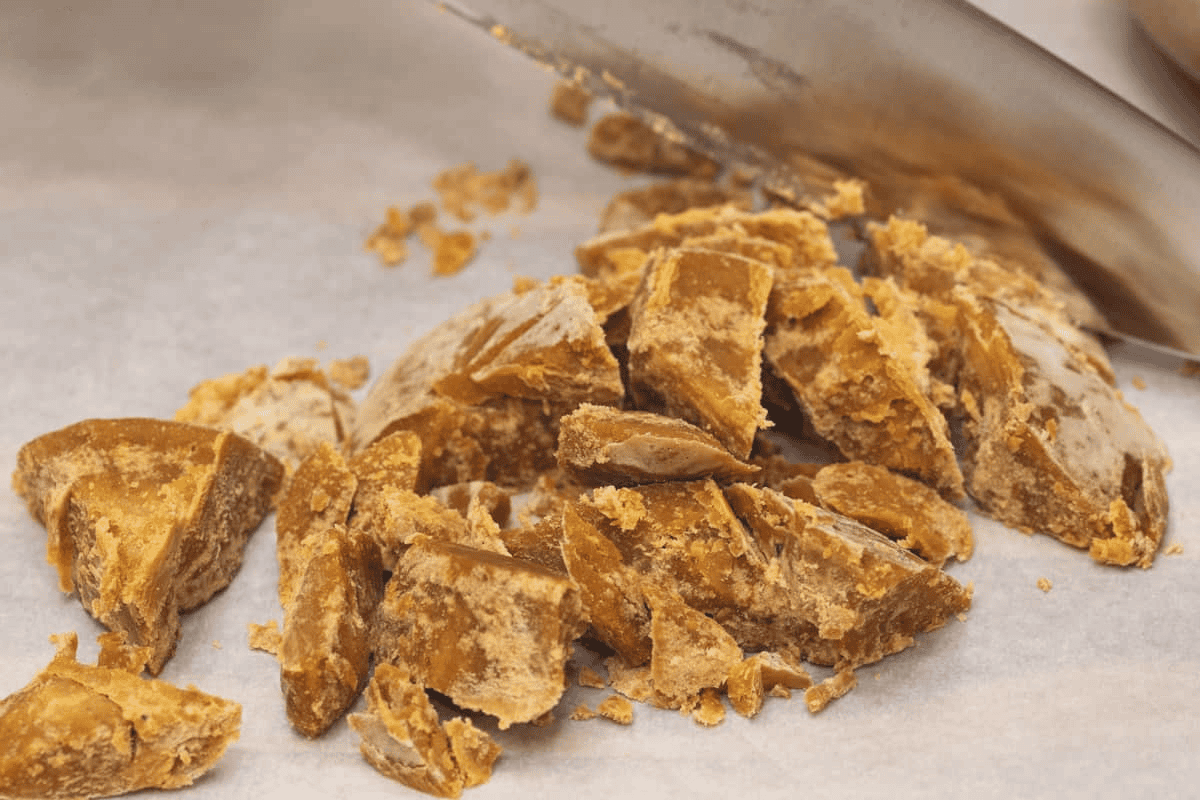
Step 1: Prepare the panutsa
Break or cut the panutsa into small pieces so it melts faster.
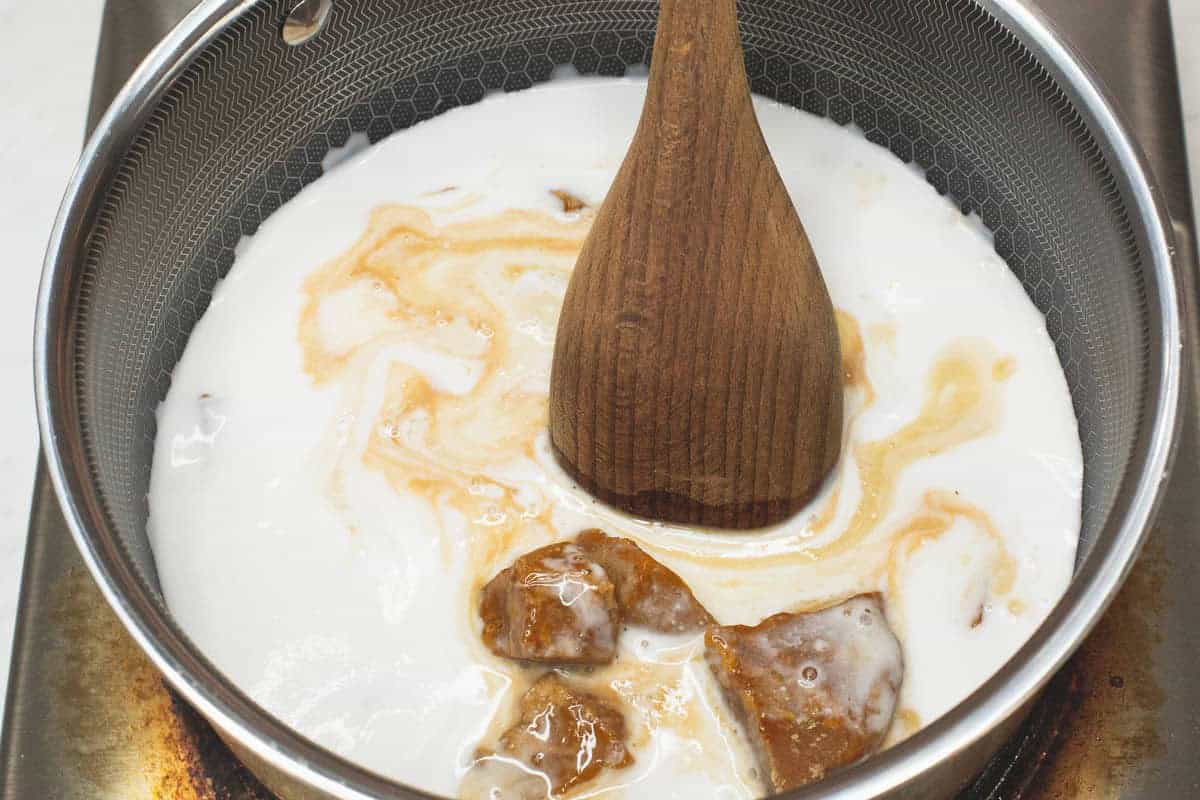
Step 2: Combine the ingredients
In a saucepan or small pot, combine:
- 1 can coconut milk (about 1¾ cups)
- 10 ounces panutsa (or 1½ cups of muscovado or brown sugar)
- A pinch of salt
- 1 teaspoon vanilla extract (optional)
Stir to combine. The panutsa will melt as it cooks.
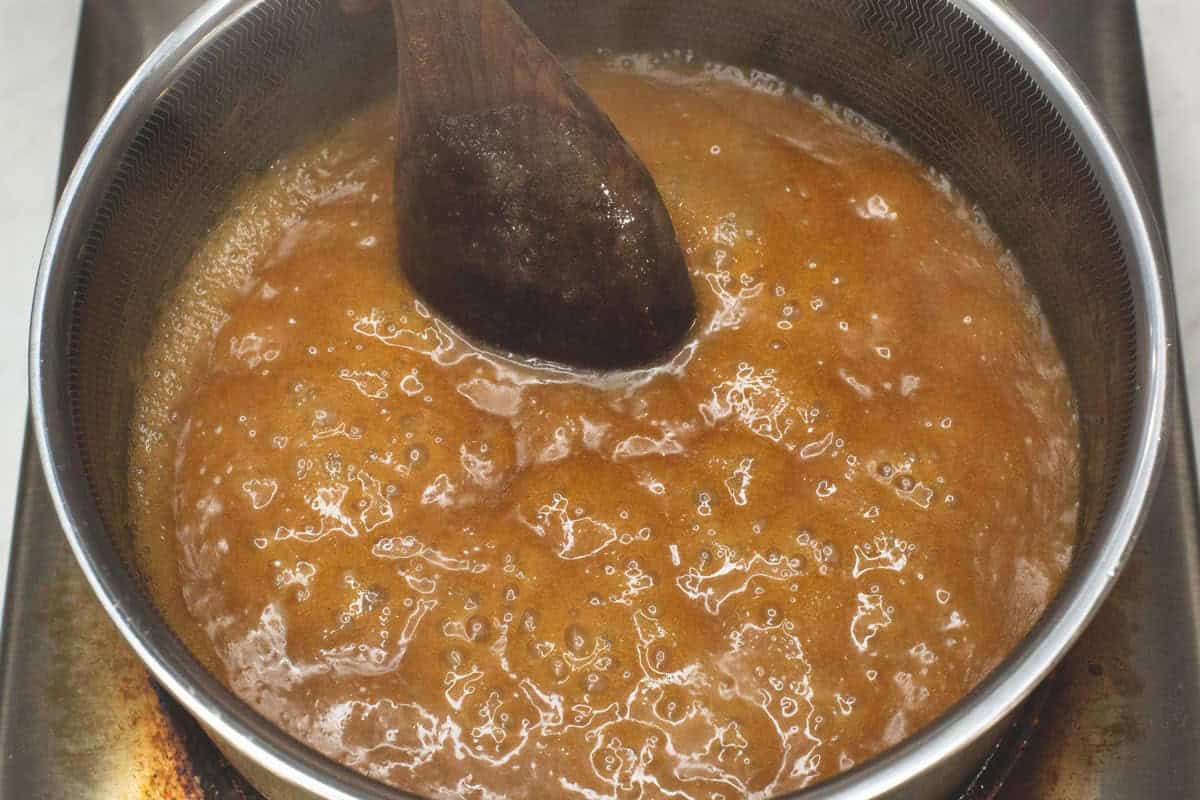
Step 3: Cook until thickened
Cook the mixture over medium-high heat until the panutsa dissolves and the sauce thickens. Stir occasionally so it doesn't stick.
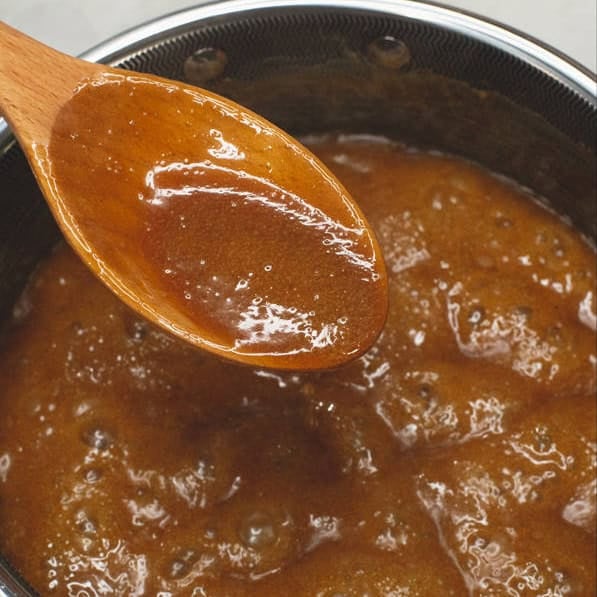
Step 4: Check the consistency
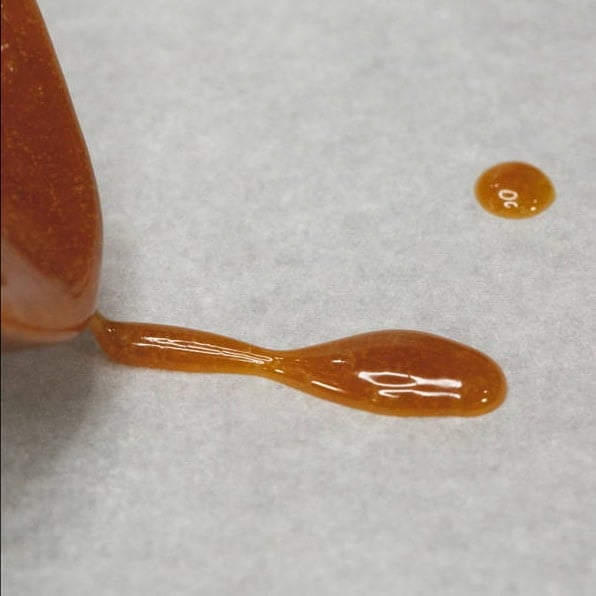
The syrup should coat the back of a spoon and drip slowly.
You can also drop a small amount on a plate and let it cool a bit. If it thickens up after it cools, then your latik sauce is all set.
Step 5: Cool and serve
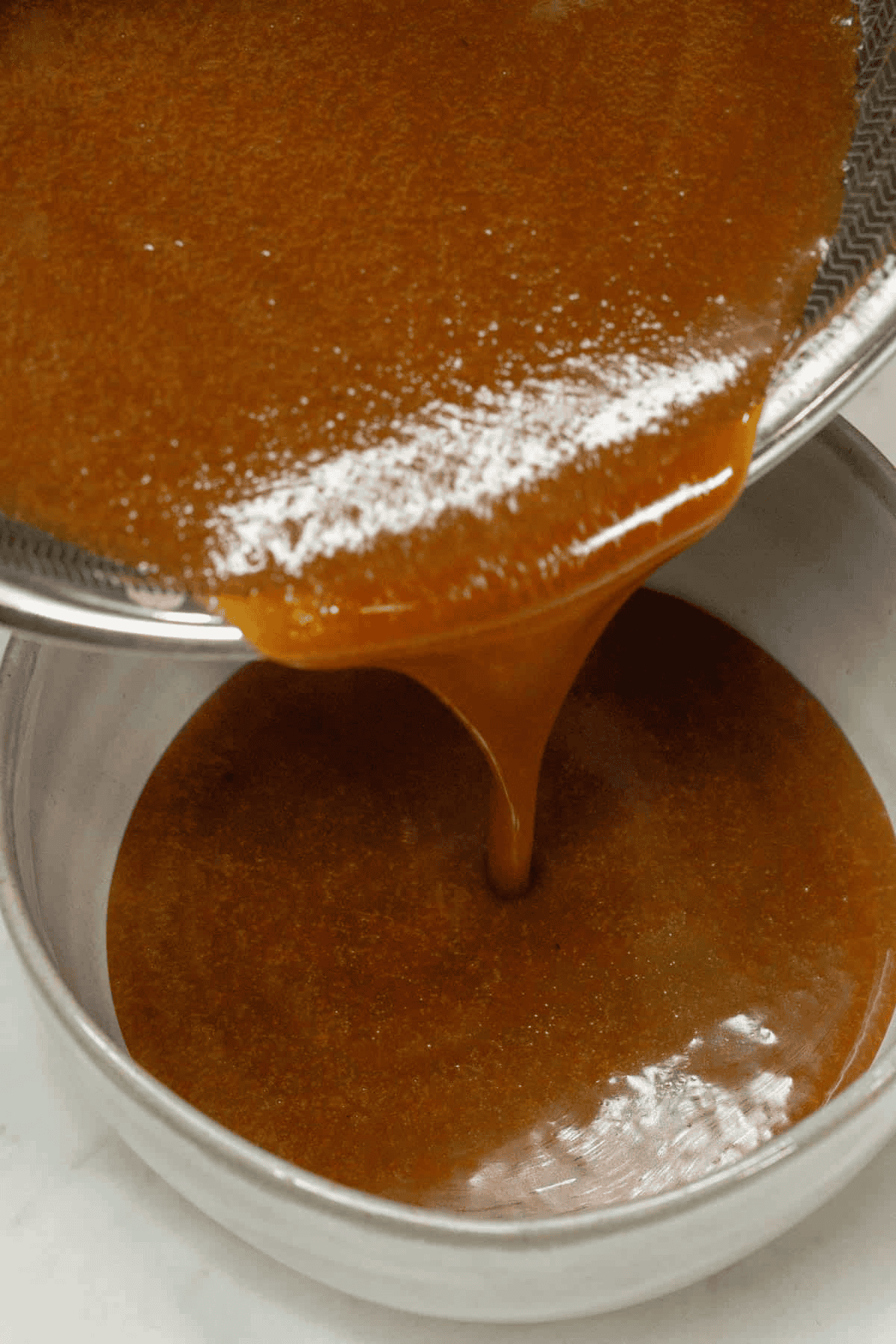
Once the sauce reaches the right thickness, remove it from the heat and let it cool slightly. It's now ready to drizzle over your favorite desserts.
If you have leftovers, store the latik sauce in an airtight container in the refrigerator for up to one week.
Tips for the Best Latik Sauce
- Use panutsa if possible. It gives the sauce a deeper caramel flavor.
- Stir occasionally. This prevents the sauce from sticking to the bottom of the pan.
- Don't overcook it. Latik sauce thickens more as it cools.
Filipino Desserts That Use Latik Sauce
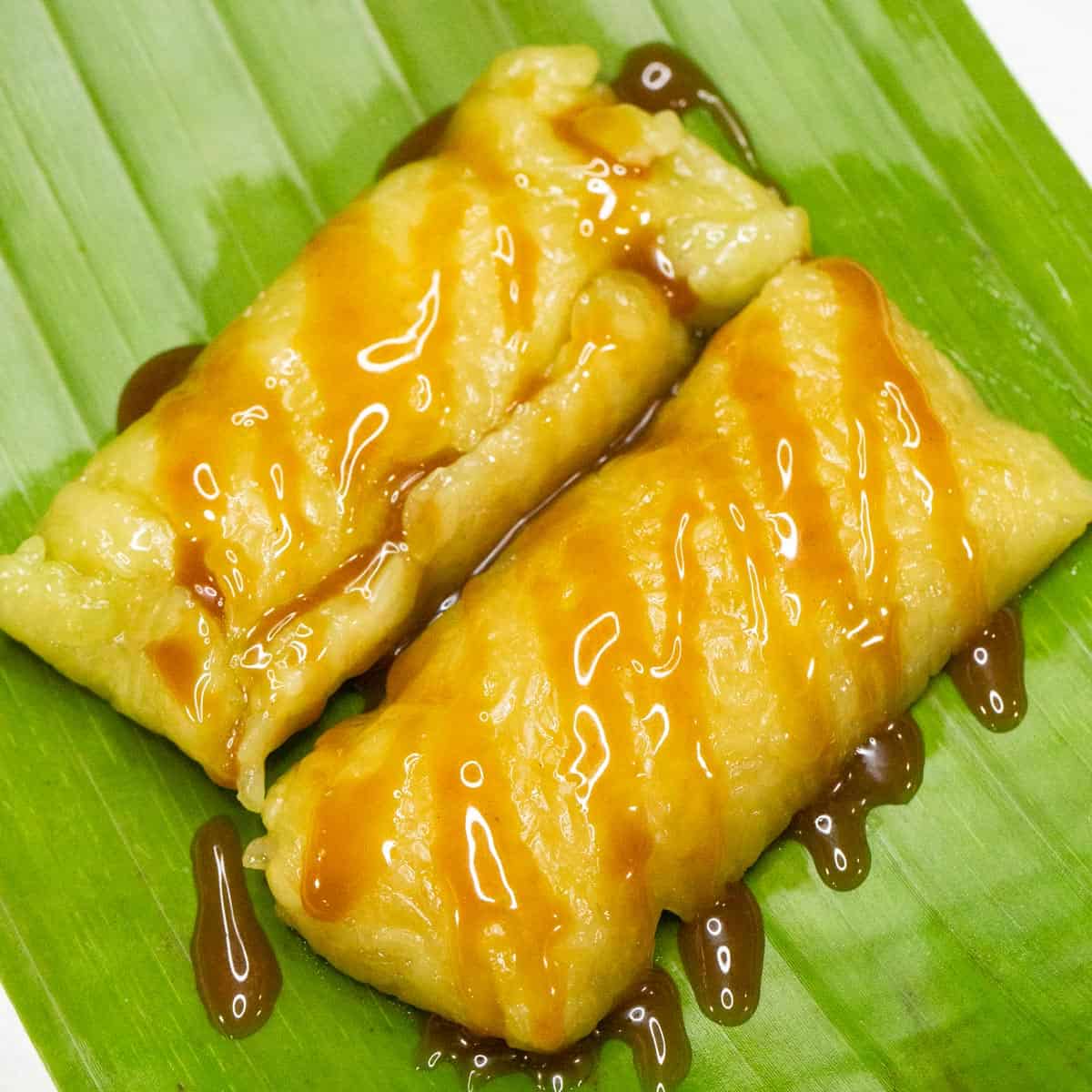
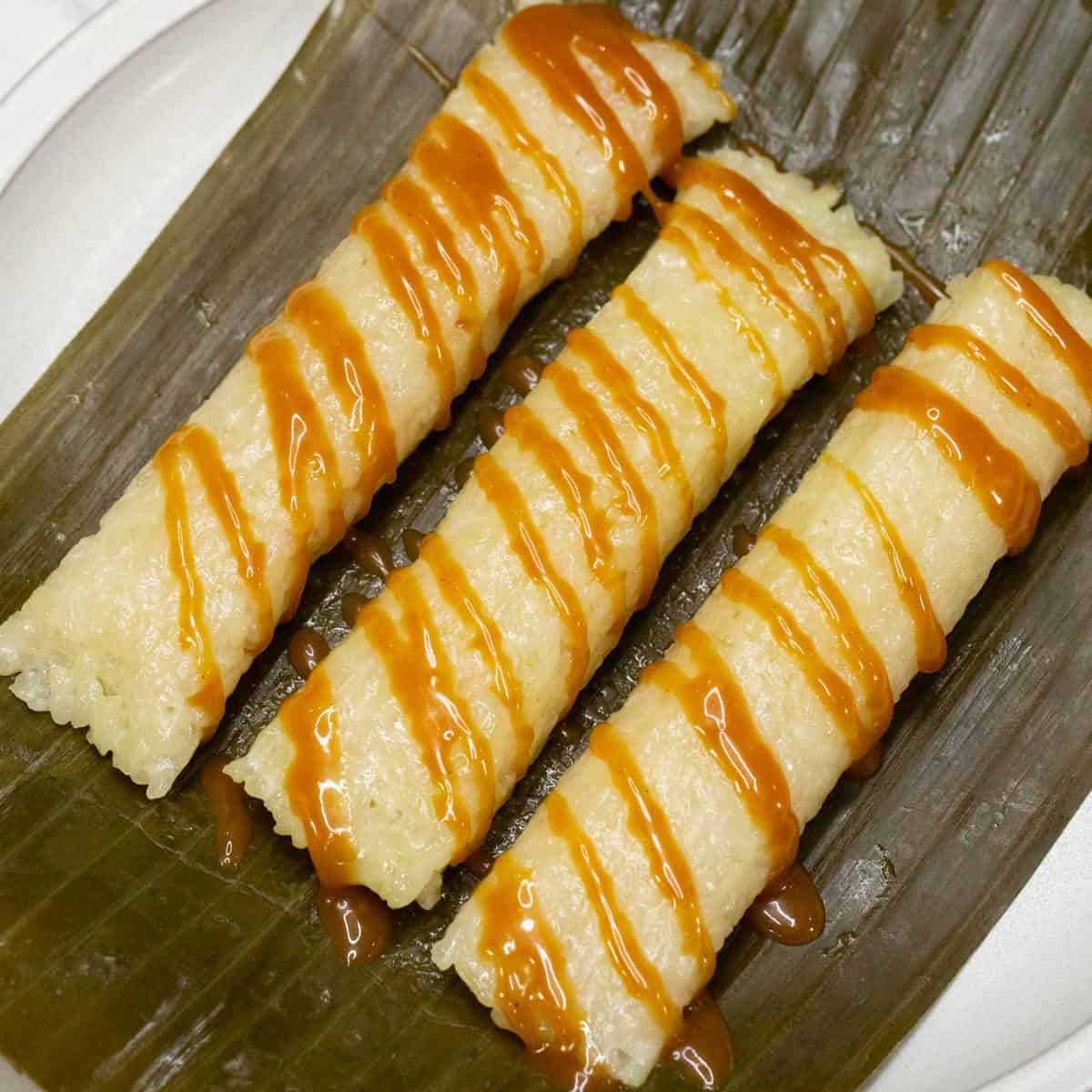
Latik sauce is often served with many Filipino sticky rice desserts. Here are some you might like:
- Biko: Sticky rice cooked in coconut milk and sugar, sometimes topped latik sauce and curds, or both.
- Bibingkang malagkit: Chewy sticky rice with coconut and a caramel-like topping.
- Suman malagkit: Sticky rice wrapped in banana leaves and usually served with latik or sugar.
- Suman sa lihiya: Sticky rice made with lye water, wrapped in banana leaves and served with latik.
- Bibingkang pinipig: Chewy rice cake made with pinipig, then topped with latik.
You can also drizzle latik sauce over kalamay, cassava desserts, or other kakanin - there's really no strict rule.
Use it anywhere a little coconut caramel flavor would be good.
FAQs
Panutsa (also called panocha or sangkaka) is an unrefined sugar made from sugarcane juice and formed into solid cakes or blocks.
It has a deep, caramel-like flavor and is often used to sweeten Filipino desserts and drinks.
Yes. Brown sugar works well if you can't find panutsa. The flavor will be slightly different, but the sauce will still turn out good.
Yes. Coconut cream will make the sauce richer and thicker. Coconut milk makes a lighter, more pourable syrup.
It usually just needs more cooking time. Keep simmering until the sauce thickens and coats the back of a spoon. It will also thicken more as it cools.
It was probably cooked too long. Add a little coconut milk or water and warm it gently to thin it out.
Store it in an airtight container in the refrigerator for up to 1 week. Warm it slightly before using if it becomes too thick.

More Cooking Basics You May Like


Did you make this recipe? I would love to know! Your feedback helps me make better recipes. Please rate, review, or comment below. Questions about this recipe are welcome, too!
Let's connect on Facebook, Instagram, Pinterest, TikTok, Twitter, and Youtube. Be sure to tag me when you try any of my recipes @recipesbynora!
📖 Recipe

How to Make Latik Sauce
Equipment
- Saucepan or small pot
- Spatula or wooden spoon
Ingredients
- 1 (14-ounce) can coconut milk
- 10 ounces panutsa sub: 1½ cups muscovado or brown sugar
- A pinch of salt
- 1 teaspoon vanilla extract optional
Instructions
- Break or cut the panutsa into small pieces using a knife. This helps it melt faster and more evenly into the coconu milk.
- In a small pot, combine the coconut milk, panutsa, a pinch of salt, and vanilla extract (if using).
- Cook the mixture over medium-high heat until the panutsa dissolves and the sauce thickens. Stir occasionally so it doesn't stick.
- To check for the right consistency, the syrup should coat the back of a spoon and drip slowly.You can also drop a small amount on a plate and let it cool a bit. If it thickens up after cooling, then the sauce is ready.
- Once the sauce reaches the right thickness, remove it from the heat and let it cool slightly. It's now ready to drizzle over your favorite desserts.
Notes
- Coconut milk: This is the base of the latik. As it cooks with sugar, it thickens and turns into a rich coconut syrup.
- Panutsa: A natural, unrefined coconut sugar that gives latik its deeper caramel flavor. If you can't find it, muscovado or brown sugar works well.
- Salt: Just a pinch helps bring out the flavors.
- Vanilla extract (optional): Adds a little extra flavor, but you can leave it out.


Christina says
This looks so yummy!
Nora Reyes says
Thank you so much, Christina!