
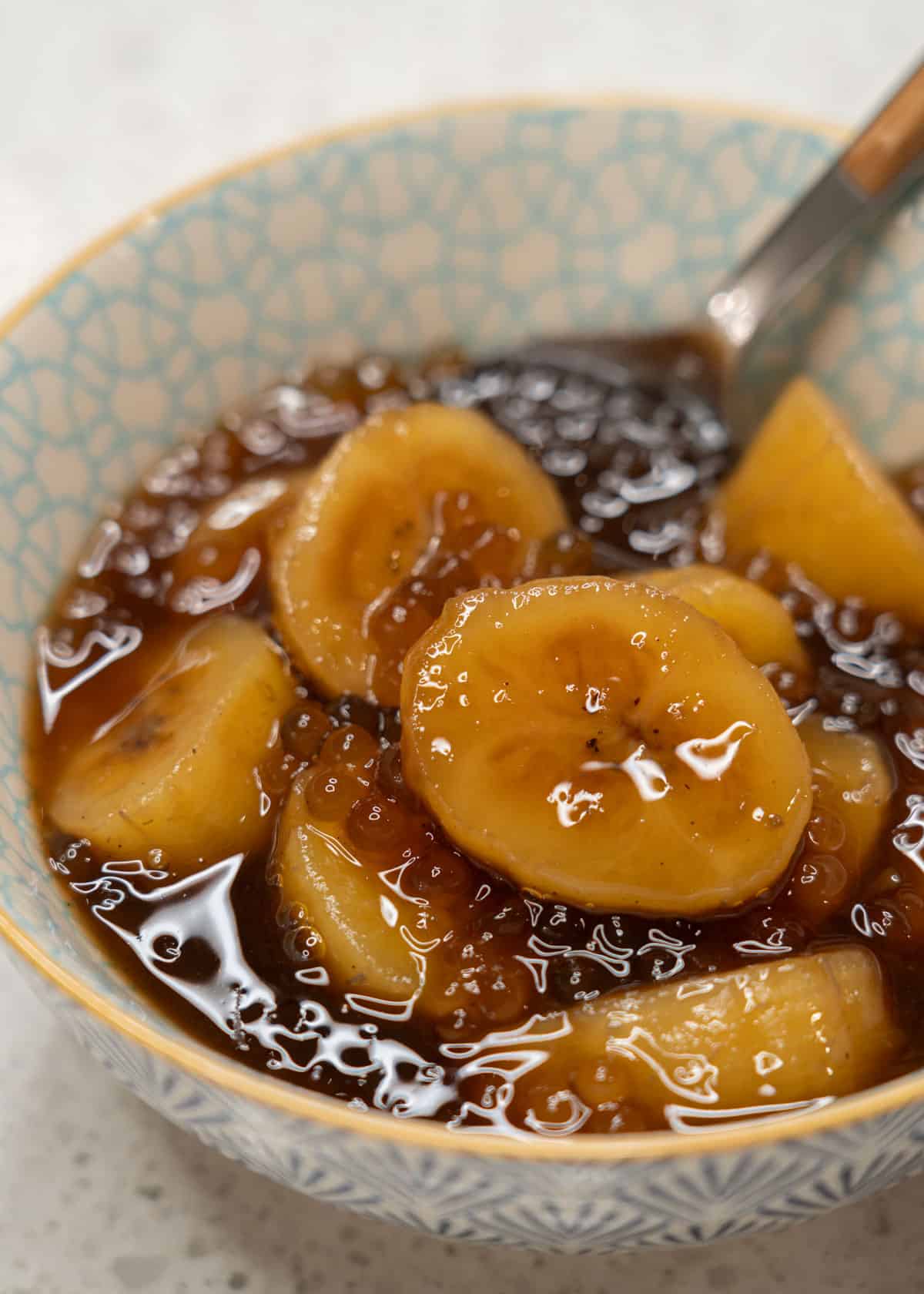
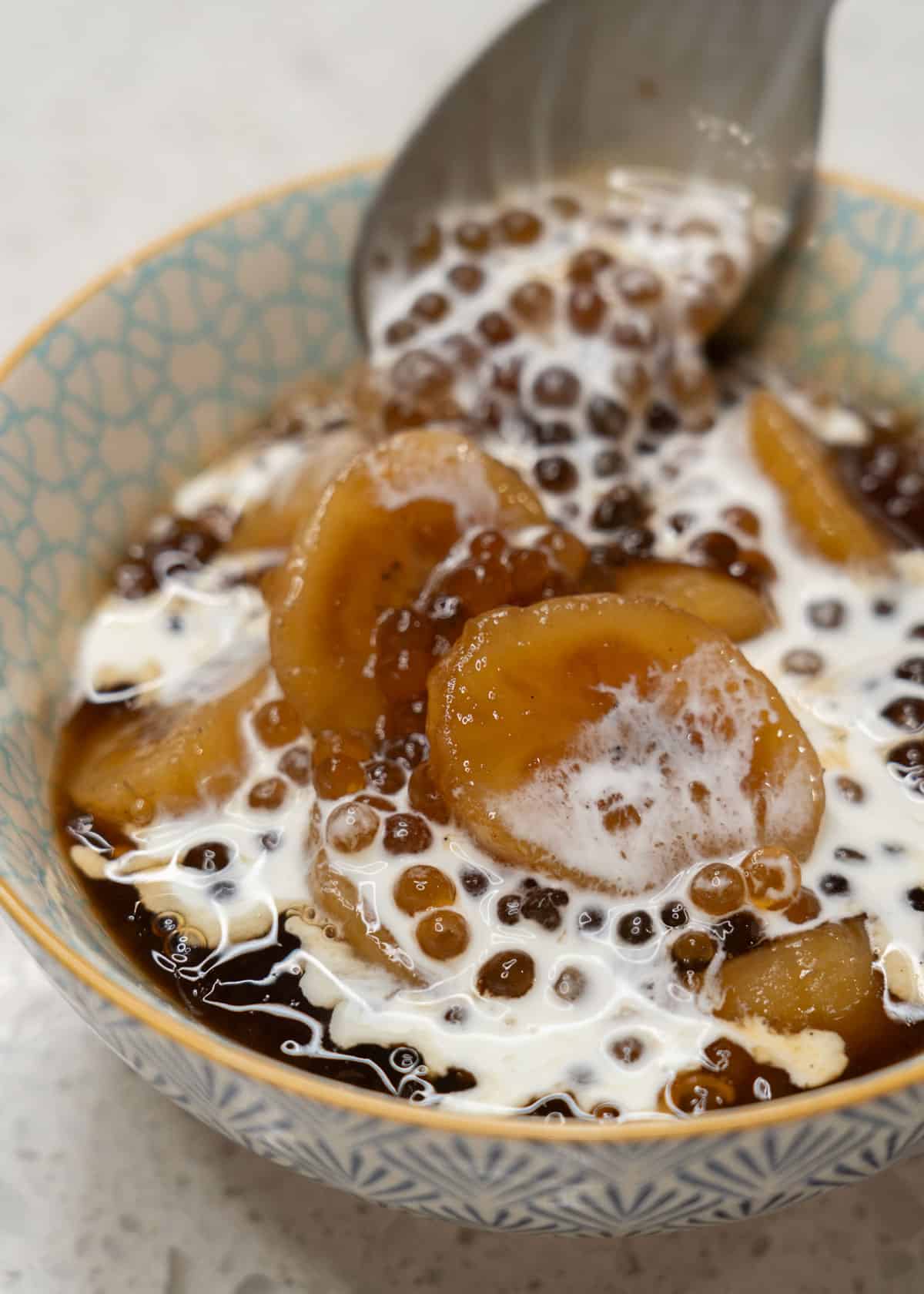
Minatamis na saging is one of those nostalgic desserts that just feels like home - simple, sweet, and familiar.
This recipe is just saba bananas cooked in brown sugar syrup or arnibal).
You can enjoy on its own or as a topping for halo-halo. Such a treat every time!
Jump to:
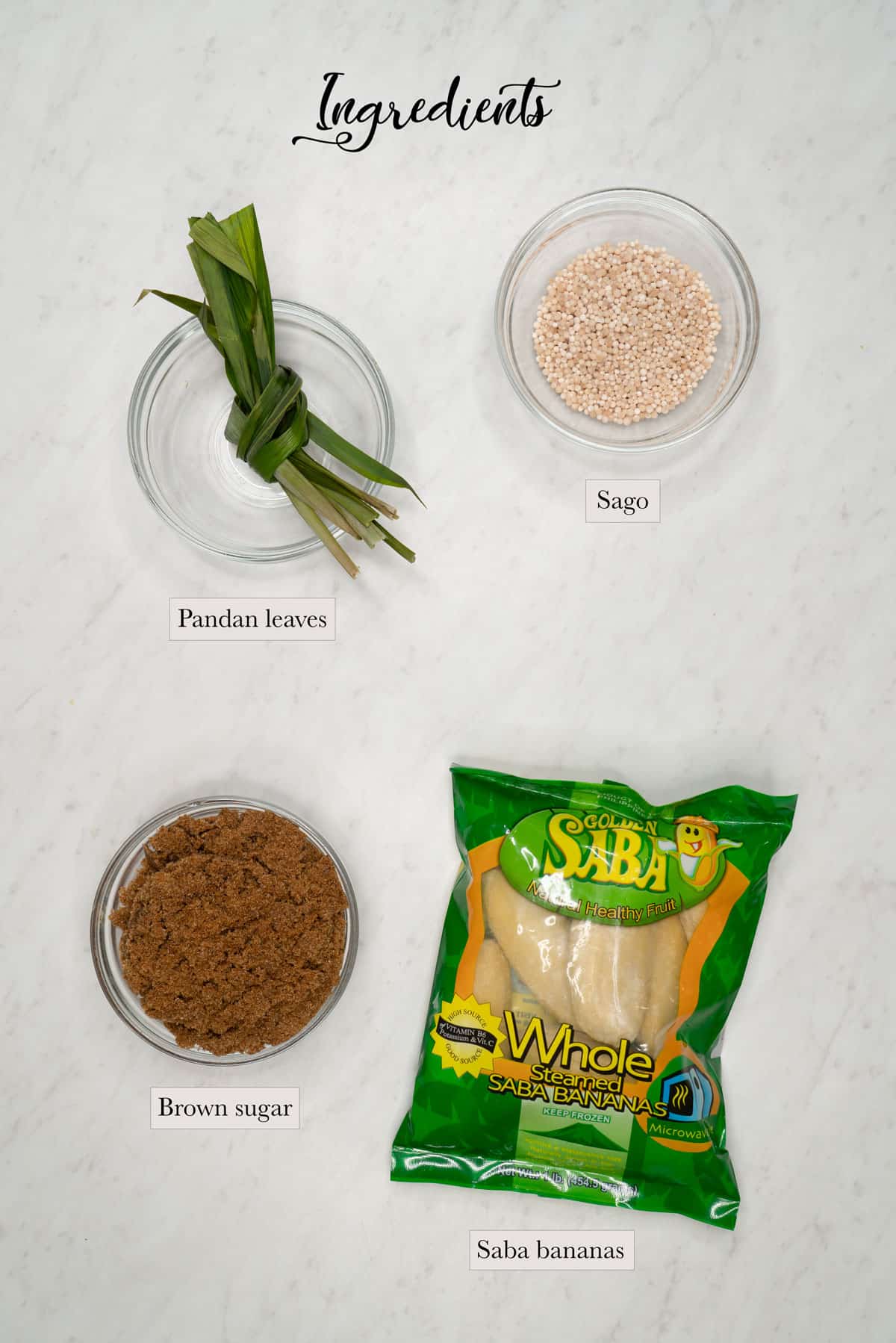
Ingredients You'll Need
Notes and Substitutions
- Saba bananas: Use ripe saba bananas (firm, not mushy). They hold their shape well and stay tender without falling apart. Saba is naturally sweet, slightly starchy, and perfect for desserts like this. You can also use yellow plantains (ripe but still firm).
- Sago (optional): Use small sago pearls, since the larger ones take much longer to cook. You can also use tapioca pearls, and some people like adding ripe langka.
- Brown sugar: I prefer brown sugar for better flavor and color. Panutsa or muscovado sugar work, too. Keep in mind that the amount you use will depend on how ripe your saba bananas are - the riper they are, the less sugar you'll need. Adjust to taste.
- Water: Adjust the amount based on how ripe your bananas are and how syrupy you want it. Riper bananas cook faster, so they usually need less water. I used frozen saba bananas, which tend to be firmer and less ripe, so I use a bit more water to give them time to cook and soften.
- Vanilla or pandan: You can add a little vanilla extract at the end for extra flavor, or simmer the syrup with a pandan leaf. Pandan extract also works - just use a tiny drop so it doesn't overpower.
- Salt: Add just a pinch - it keeps the syrup from tasting flat and brings out the bananas' sweetness even more.
- Toppings: You can serve this with evaporated milk, but light or heavy cream works too.
How to Make Minatamis na Saging (Step-by-Step)
Step 1: Cook the sago
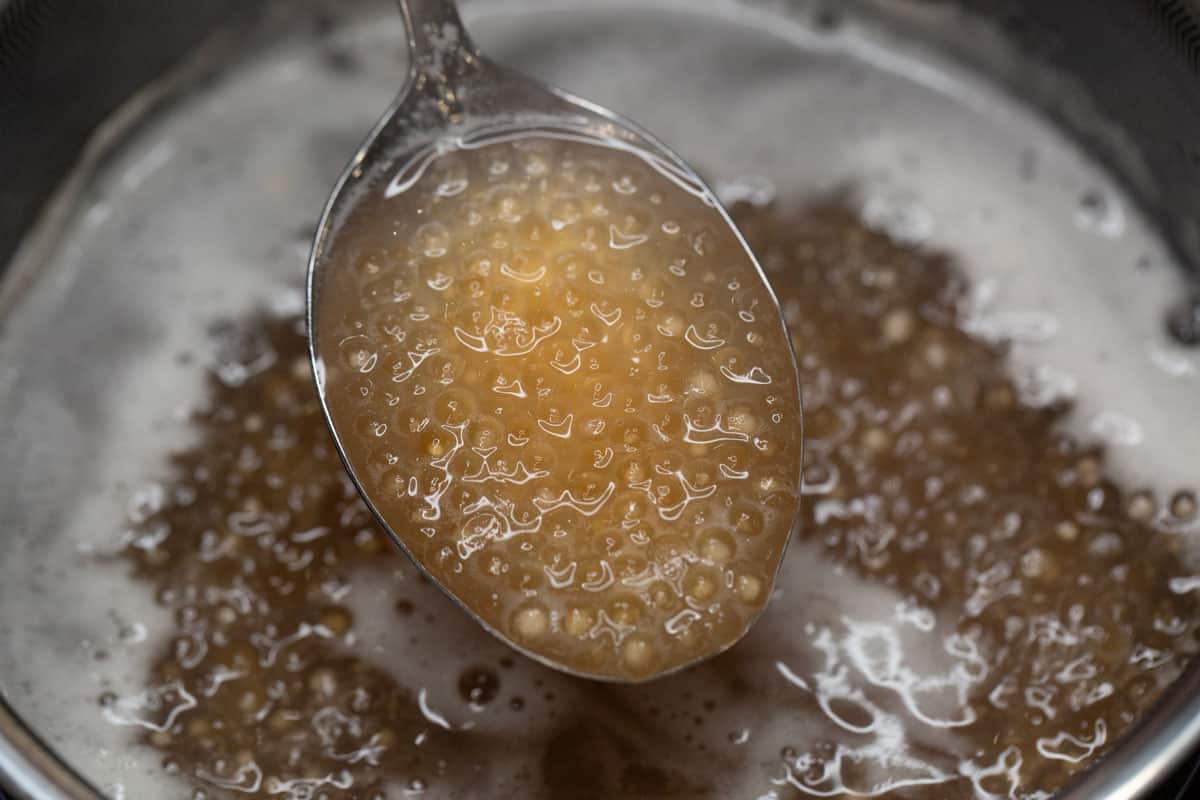
Bring a pot of water to a boil (about 4 cups), then add ⅓ cup sago pearls.
Cook for about 20 minutes. Stir occasionally so they don't stick together.
The sago is ready when the pearls look clear all the way through. Drain, rinse with cold water, and set aside.
For a detailed sago tutorial, here's the link: https://www.recipesbynora.com/how-to-cook-sago/.
Step 2: Prepare the bananas
While the sago is cooking, you can start on the bananas.
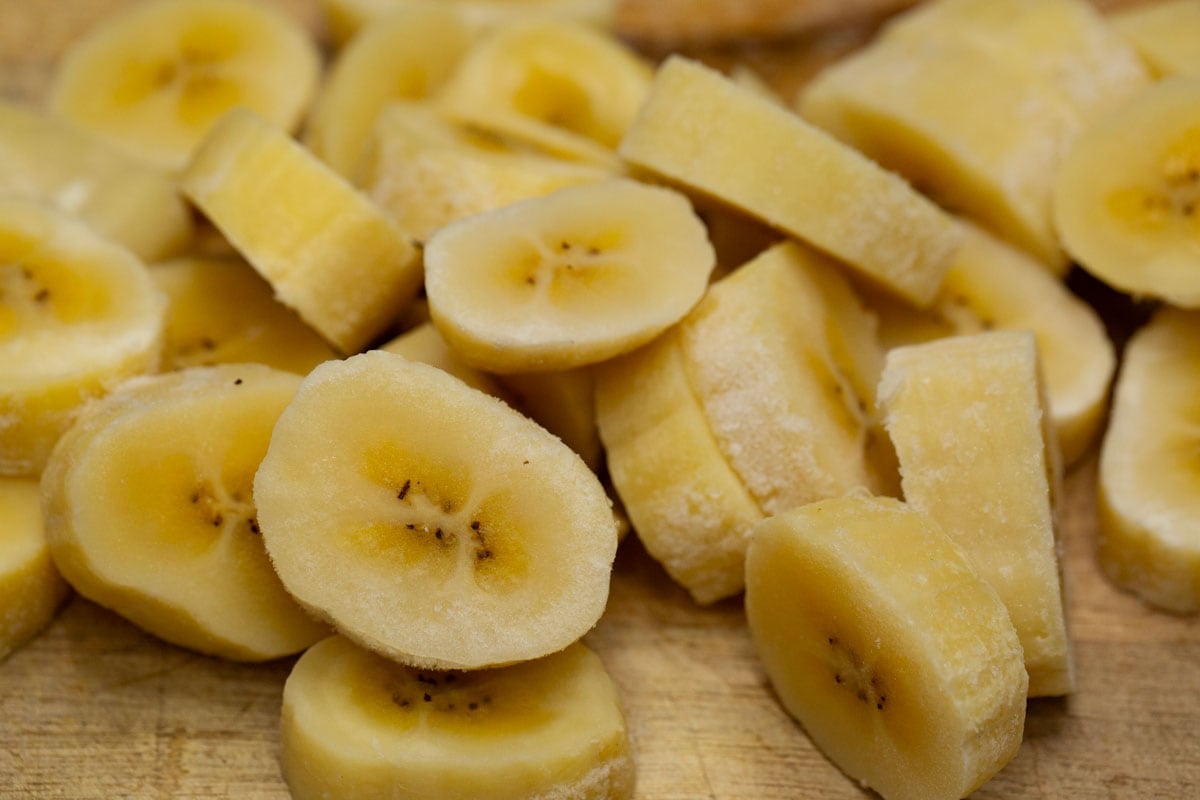
If you're using fresh saba bananas, peel them first.
If you're using frozen, just thaw them until soft enough to slice. Cut the bananas into bite-size pieces.
If your bananas are very ripe, cut them a little larger so they don't get mushy.
You can also cut them bigger if you prefer chunkier pieces - just keep in mind they'll need a bit more time to cook.
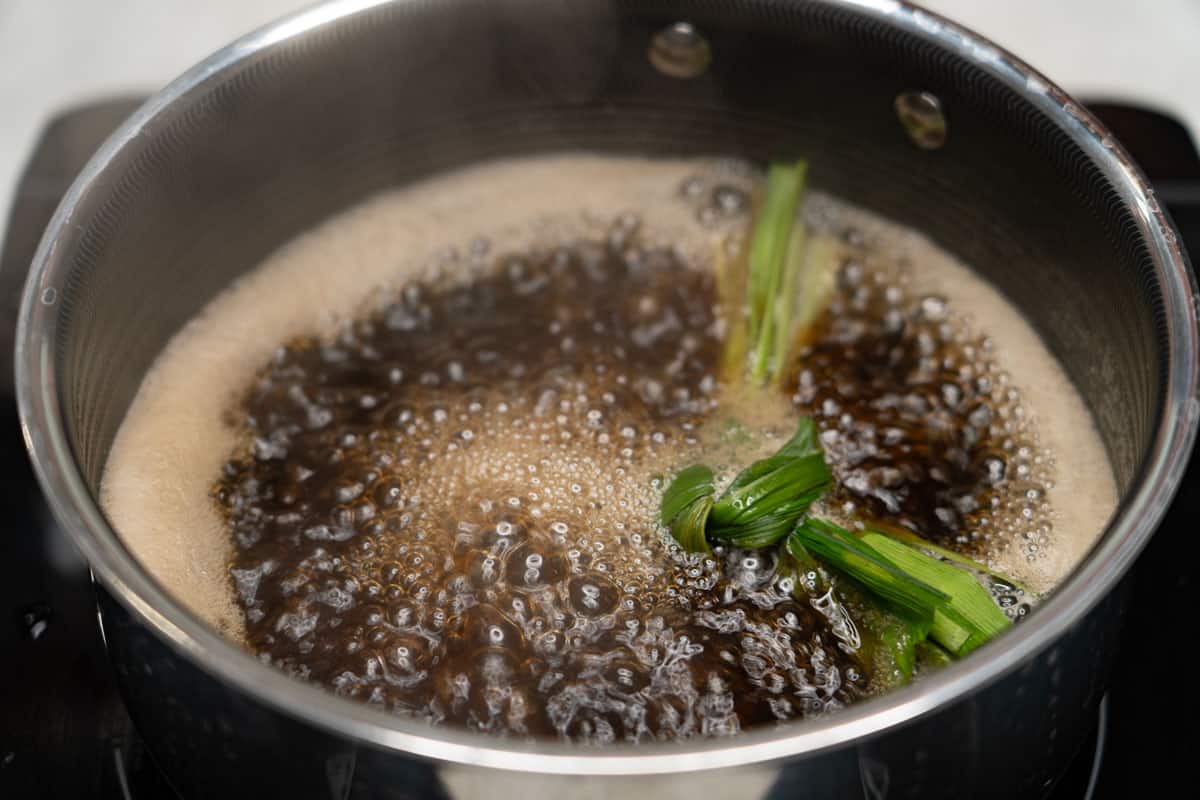
Step 3: Make the syrup (arnibal)
In a medium pot, combine:
- about 2 cups water
- 1 to 1½ cups brown sugar
- a pinch of salt
- pandan leaves (if you're using)
If your bananas are very ripe, you can use a little less water and sugar.
Bring it to a boil, then lower the heat.
Simmer until the syrup slightly thickens.
If you prefer it more on the "saucy" or soupy side, you can keep it a bit thinner.
Step 4: Add the bananas
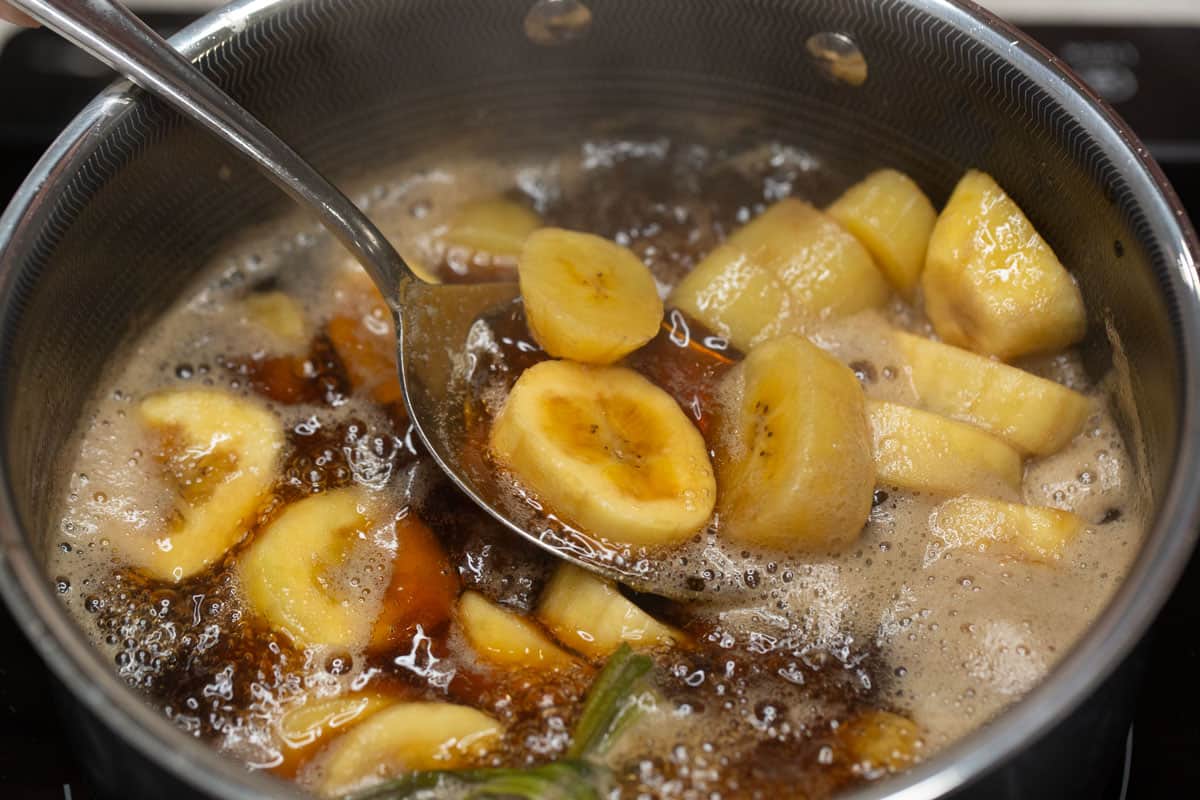
Add 1 pound sliced saba bananas.
Cook on medium heat for 10-15 minutes (depending on how ripe they are).
Larger cuts may need a little more time. You want them tender but still holding their shape.
Step 5: Add the sago
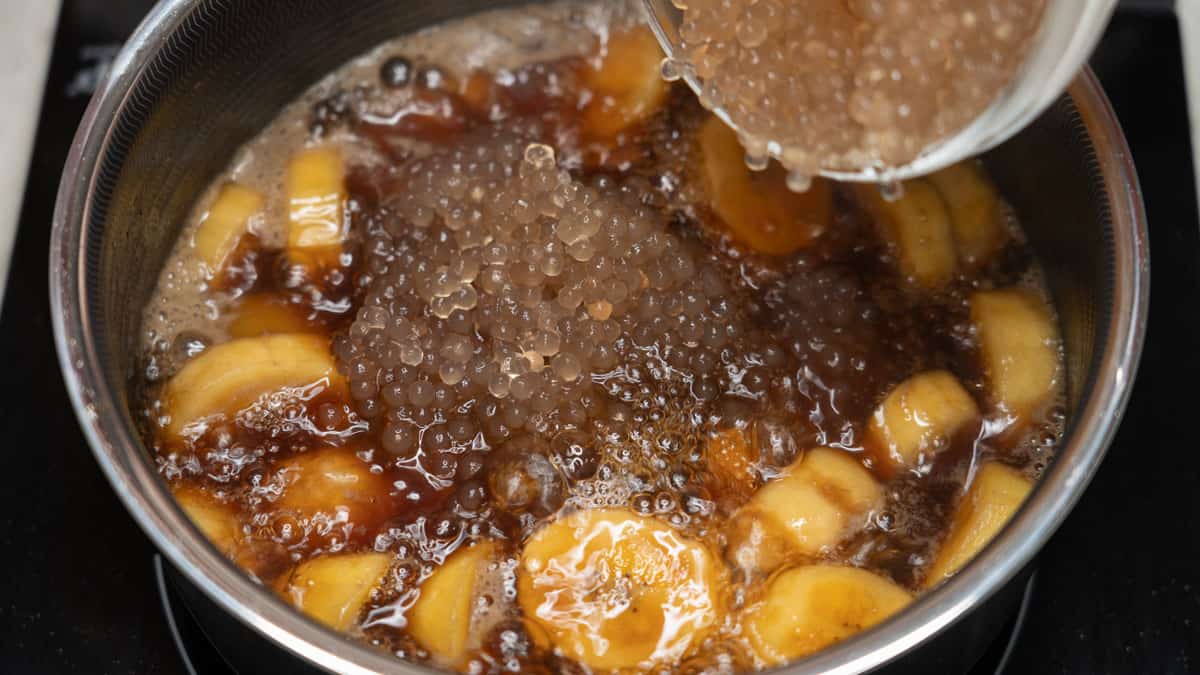
Add the cooked sago while the bananas are still warm.
Mix gently so the bananas don't break. The mixture will thicken as it cools.
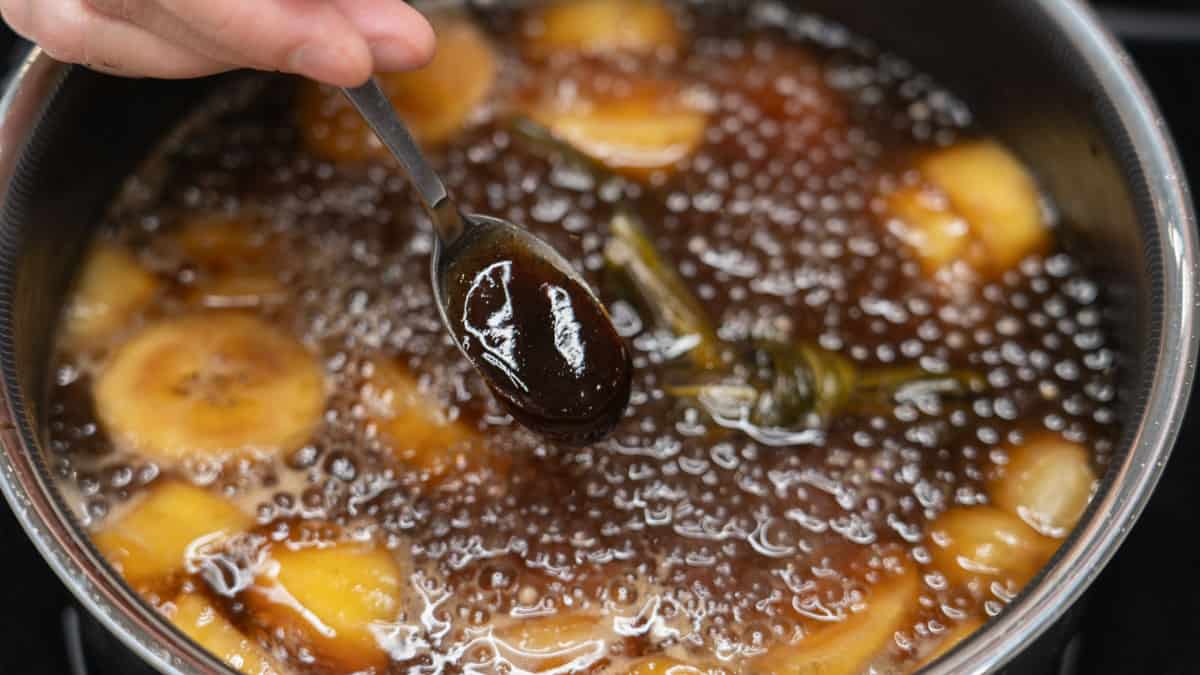
Once the bananas are tender and the syrup looks just right, turn off the heat.
Add a little vanilla extract or a tiny drop of pandan extract for aroma, if using.
Step 6: Serve
Serve your minatamis na saging warm with evaporated milk or cream.
You can also chill it and serve it cold if you prefer - both ways are good!
Helpful Tips
- Don't overcook the bananas - they should be soft but still hold their shape.
- If your saba bananas are very ripe, use less sugar and water.
- Stir gently after adding the sago so the bananas don't break.
- Add vanilla or pandan at the end for the best aroma.
Storage
Let your minatamis na saging cool, then transfer to an airtight container.
Refrigerate for up to 2-3 days.
Reheat gently on the stove or in the microwave, adding water as needed.
Recipe FAQs
Minatamis na saging can be enjoyed both ways. Serve it warm if you like it syrupy, or chill it if you prefer it cold and refreshing. It's also great topped with ice and milk.
Saba is best because it stays firm and holds its shape even after cooking. Regular Cavendish bananas turn mushy, but you can use them in a pinch - just cook them much quicker so they don't break apart.
Yes. Store your minatamis na saging in an airtight container in the fridge for 2-3 days.
If you added sago, keep in mind that it will continue to soak up the syrup as it sits, making it thicker and less saucy over time. Reheat gently if you like it warm, or enjoy it chilled.
You can freeze the bananas with the syrup, but thaw and reheat gently before serving. Just don't freeze the sago - they get mushy once thawed.
More Banana Recipes to Try
- Saging con yelo: Sweetened saba bananas with shaved ice and milk.
- Banana cue: Fried saba coated in caramelized brown sugar.
- Turon: Saba wrapped with brown sugar and fried until crisp.
- Ginataang bilo-bilo: Sticky rice balls, saba, sweet potatoes, and tapioca in coconut milk.
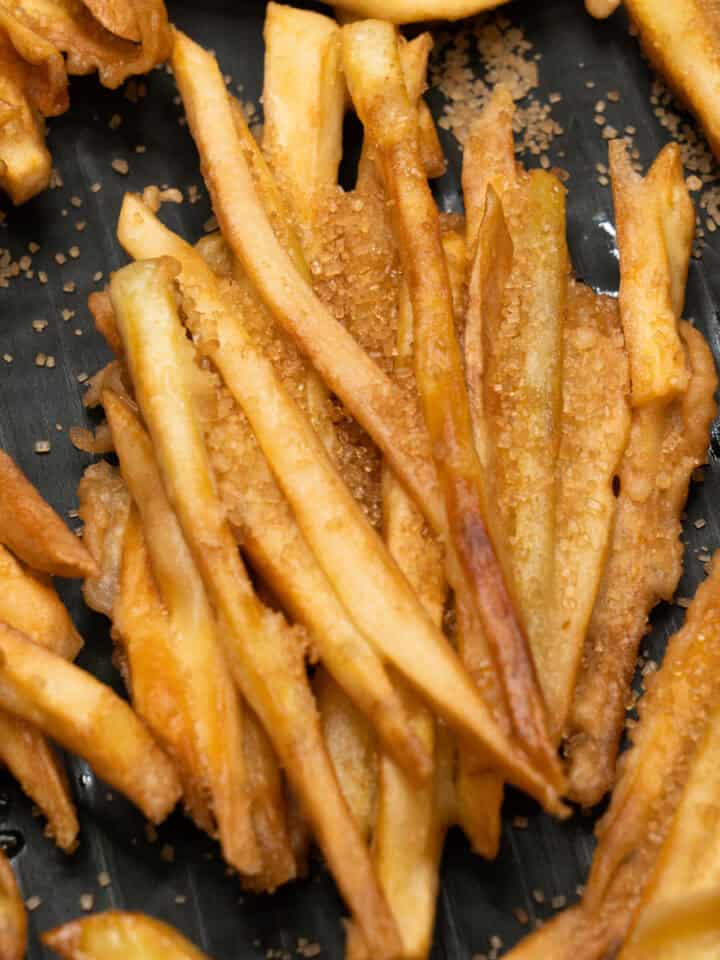
- Maruya: Saba fritters, sometimes dusted with sugar.
- Arroz a la cubana: Originally a Spanish dish, the Filipino version is made with savory ground beef served with rice, a fried egg, and fried saba bananas.
- Banana pudding: Creamy dessert with bananas, vanilla pudding, and wafers.
Merienda Recipes You May Like


Did you make this recipe? I would love to know! Your feedback helps me make better recipes. Please rate, review, or comment below. Questions about this recipe are welcome, too!
Let's connect on Facebook, Instagram, Pinterest, TikTok, Twitter, and Youtube. Be sure to tag me when you try any of my recipes @recipesbynora!
📖 Recipe

Minatamis na Saging (Sweetened Saba Bananas)
Equipment
- Medium pot
Ingredients
For cooking sago:
- ⅓ cup small sago pearls
- 4 cups water more as needed
For Minatamis na Saging:
- 1 pound ripe saba bananas (6-8 pieces) sliced into bite-size pieces
- 2 cups water
- 1-1½ cups brown sugar adjust to taste
- Pinch of salt
- Pandan leaves tied into a knot; optional
- Vanilla extract or pandan extract optional
For serving (optional):
- Evaporated milk or cream
Instructions
- Bring about 4 cups of water to a boil. Add the sago and stir right away so the pearls don't stick together.Cook for about 20 minutes, or until most of the pearls look clear. Turn off the heat, then drain and rinse under cold water. Set aside.
- In a pot, combine about 2 cups water, brown sugar, a pinch of salt, and pandan leaves (if using).If your bananas are very ripe, use a little less water and sugar.Bring to a boil, then simmer until the syrup slightly thickens.
- Add the sliced bananas and cook on medium heat for 10-15 minutes, until tender but still holding their shape. Stir gently so they don't break.
- Turn off the heat, add vanilla or pandan extract. Let it cool.
- Serve warm on its own or with evaporated milk or cream.
Notes
- Saba bananas: Best for this recipe because they hold their shape. Ripe plantains also work.
- Sago: Use small sago pearls - larger ones take much longer to cook. Tapioca pearls also work.
- Sugar: Brown sugar adds deeper flavor and color. Panutsa or muscovado work too. Use less if your saba bananas are very ripe; adjust to taste.
- Water: Adjust as needed. Riper bananas cook faster and usually need less water, while firmer or frozen saba bananas may need a bit more to soften.
- Flavoring: Pandan adds aroma but is optional. If using extract, just a tiny amount is enough.
- Salt:A small pinch helps balance the sweetness and makes the bananas taste better.
- Serving ideas: Great on its own, with milk, or as a topping for saging con yelo or halo-halo.
- Don't overcook the bananas - they should be soft but still hold their shape.
- If your saba bananas are very ripe, use less sugar and water.
- Stir gently after adding the sago so the bananas don't break.
- Add vanilla or pandan at the end for the best aroma.
T says
T