
Puto with cheese is a soft, fluffy Filipino steamed cake topped with a slice of melted cheese.
It's one of the most popular versions of puto and is often served for merienda, parties, and special occasions.
This recipe uses cake flour instead of rice flour, which makes the puto especially light and fluffy.

Jump to:
What is Puto with Cheese?
Puto is a Filipino steamed cake and one of the many types of kakanin (traditional rice cakes). It's usually served for merienda with savory dishes like pancit or dinuguan.
Puto with cheese is a popular variation topped with a slice of quick-melt cheese, which adds a creamy, slightly salty flavor.
This version uses cake flour instead of rice flour that gives the puto a softer and fluffier texture.
Ingredients You'll Need

Notes and Substitutions
- Cake flour: This makes the puto softer and lighter. If you only have all-purpose flour, you can still use it, but the puto may turn out slightly denser.
- Cheese: Use a cheese that melts easily for the best texture. Brands like Eden or Quickmelt are popular choices. You can also use American cheese or cheddar cheese.
How to Make Puto with Cheese (Step-by-Step)
Step 1: Mix the dry ingredients
In a medium bowl, combine:
- 2 cups cake flour (sifted, if it's lumpy)
- 1 tablespoon baking powder
- 1 teaspoon kosher salt (or about ½ teaspoon table salt)
Mix until everything is well combined.

Step 2: Mix the wet ingredients
In a large bowl, combine:
- ¾ cup sugar
- 2 eggs
- ⅓ cup melted butter
- ¾ cup whole or evaporated milk
- ½ cup water
- 1 teaspoon vanilla extract
Whisk until the mixture is smooth and the sugar is dissolved.

Step 3: Combine the batter
Add the dry ingredients to the wet ingredients. Whisk until you don't see any dry flour.
Do not overmix the batter, or the puto may become dense.

If you'd like colored puto, you can add ube or pandan extract for color and flavor.
Take a small amount of batter, mix it with a few drops of extract in a separate bowl, and add more until you get the color you like.

Step 4: Add the cheese
Stir in 1 ounce of cheese (shredded or grated) until evenly mixed.

Step 5: Prepare the steamer and molds
Bring 1-2 inches of water to a boil in your steamer.
Wrap the lid with a clean cloth to prevent water from dripping onto the puto.
Lightly grease the molds with oil or butter.
Arrange the molds in the steamer basket, leaving space between them so the steam can circulate.
Fill each mold about ¾ full with batter, leaving space for the puto to rise.

Step 6: Steam the puto
Steam the puto over medium-low heat.
- Small molds: Steam for 12-15 minutes
- Standard molds: Steam for 18-20 minutes
The puto are done when a toothpick inserted in the center comes out clean and the tops feel firm when lightly pressed.

Step 7: Top with cheese
Carefully open the steamer and place a slice of cheese on top of each puto.
Cover again and steam for 1-2 minutes, just until the cheese softens and begins to melt.
Turn off the heat and let the remaining heat finish melting the cheese.

Step 8: Remove from molds
Let the puto with cheese cool slightly, then gently remove them from the molds.
Enjoy while warm.

Tips for the Best Puto
- Do not overmix the batter. Mix just until you no longer see dry flour. Overmixing can make the puto dense instead of soft and fluffy.
- Use medium-low heat when steaming. Steaming over very high heat can cause the puto to rise unevenly or crack on top.
- Wrap the lid with a cloth. This helps catch condensation so water doesn't drip onto the puto and make the tops wet.
- Do not overfill the molds. Fill them about ¾ full so the puto has room to rise without spilling over.
- Let them cool slightly before removing. This helps the puto hold its shape and come out of the molds more easily.
How to Store Puto
- Room temperature: If you plan to eat them the same day, keep the puto in a covered container at room temperature.
- Refrigerator: Store leftover puto in an airtight container in the refrigerator for up to 3 days.
- To reheat: Steam for a few minutes until soft again, or warm them in the microwave for 15-20 seconds.

Recipe FAQs
Insert a toothpick into the center of one puto. If it comes out clean and the top feels firm when lightly pressed, the puto are ready.
This usually happens if the batter is overmixed or if too much flour was added. Mix just until you no longer see dry flour, and measure the ingredients carefully.
Covering the steamer lid with a cloth helps catch extra water, so it doesn't drip onto the puto and make them soggy.
Quick-melting cheeses like Eden or Quickmelt are usually used because they melt smoothly. American cheese or mild cheddar also work well.
Yes. Let the puto cool completely, then store them in an airtight container or freezer bag for up to 1 month.
Steam or microwave until soft before serving.
More Puto to Try
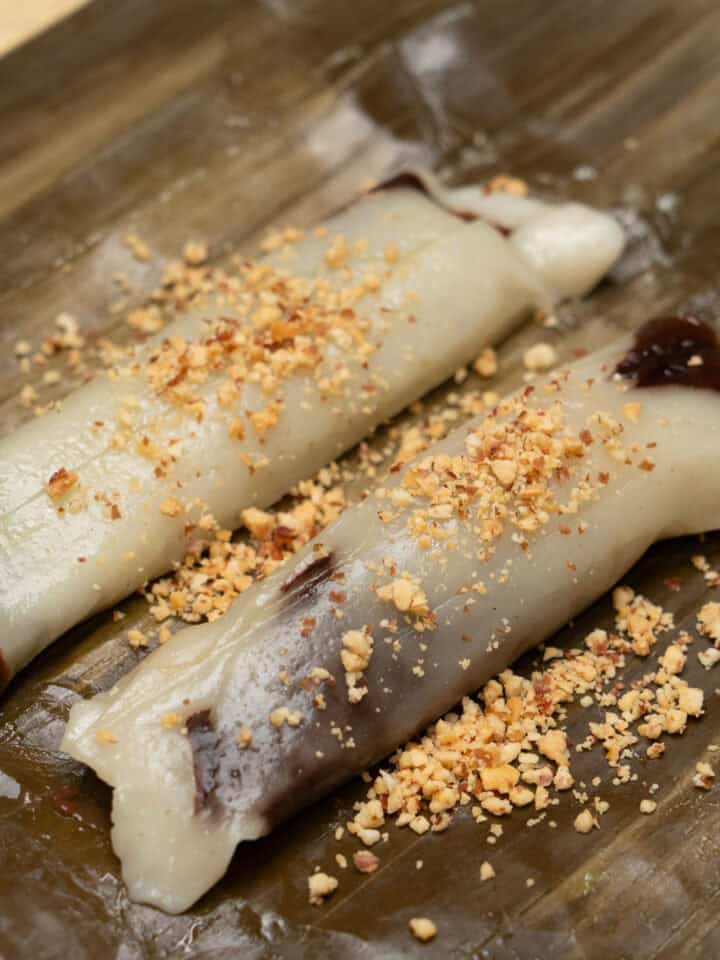
- Puto bumbong: A purple rice cake steamed in bamboo tubes, served with grated coconut, butter, and sugar.
- Puto kutsinta: A sticky, jelly-like puto with an orange-brown color.
- Puto flan: A mix of puto and leche flan with two layers: a soft steamed cake bottom with a creamy custard on top.
- Puto seko: Crunchy, sweet cookies made with cornstarch and sugar.
- Puto pao: Steamed rice cakes filled with savory pork or chicken.
- Putong bigas: Steamed rice cakes made from fermented rice dough (galapong) and coconut milk.
- Puto with salted egg: A variation of puto made with whipped egg whites, topped with salted egg slices.
Other Merienda Recipes You May Like


Did you make this recipe? I would love to know! Your feedback helps me make better recipes. Please rate, review, or comment below. Questions about this recipe are welcome, too!
Let's connect on Facebook, Instagram, Pinterest, TikTok, Twitter, and Youtube. Be sure to tag me when you try any of my recipes @recipesbynora!
📖 Recipe

Puto with Cheese Recipe (Soft and Fluffy Filipino Steamed Cakes)
Equipment
- Mini or standard puto molds (or muffin pan)
- Steamer
Ingredients
- 2 cups cake flour sub: all-purpose flour (see note)
- 1 tablespoon baking powder
- 1 teaspoon kosher salt (or about ½ teaspoon table salt)
- ¾ cups granulated sugar
- 2 eggs at room temperature
- ⅓ cup melted butter
- ¾ cup whole milk (sub: evaporated milk)
- ½ cup water
- 1 teaspoon vanilla extract
- 1 ounce quick-melting cheese shredded or grated (see note)
- 2 ounces quick-melting cheese cut into thin squares (see note)
- Pandan or ube extract (optional)
Instructions
- Whisk cake flour, baking powder, and salt in a medium bowl until evenly mixed.
- In a large bowl, whisk sugar, eggs, melted butter, milk, water, and vanilla extract until smooth.
- Add the dry ingredients to the wet ingredients and whisk until you no longer see dry flour. Do not overmix.
- Stir in shredded cheese.
- Bring 1-2 inches of water to a boil in a steamer. Wrap the lid with a cloth to catch condensation.
- Lightly grease the molds with oil or butter. Arrange them in the steamer basket and fill each mold about ¾ full with batter.
- Steam over medium-low heat until cooked through:12-15 minutes for small molds18-20 minutes for standard moldsThe puto are ready when a toothpick inserted in the center comes out clean.
- Place a slice of cheese on top of each puto. Cover and steam 1-2 minutes, just until the cheese softens.
- Let cool slightly, then gently remove from the molds. Serve warm.
Notes
- Cake flour: This makes the puto softer and lighter. You can use all-purpose flour, but the puto may turn out slightly denser.
- Cheese: Use a cheese that melts easily. Brands like Eden or Quickmelt are popular choices. You can also use American cheese or cheddar cheese.
- Do not overmix the batter. Mix just until you no longer see dry flour.
- Use medium-low heat when steaming. High heat can make the puto rise unevenly.
- Wrap the steamer lid with a cloth. This prevents water from dripping onto the puto.
- Fill molds about ¾ full. This gives the puto room to rise.
- Store leftover puto in an airtight container in the refrigerator for up to 3 days.
- To reheat, steam for a few minutes or microwave for 15-20 seconds until soft again.


Lisa says
I need this for my next party! Haha thanks for sharing!
Nora Reyes says
Thanks, Lisa!