
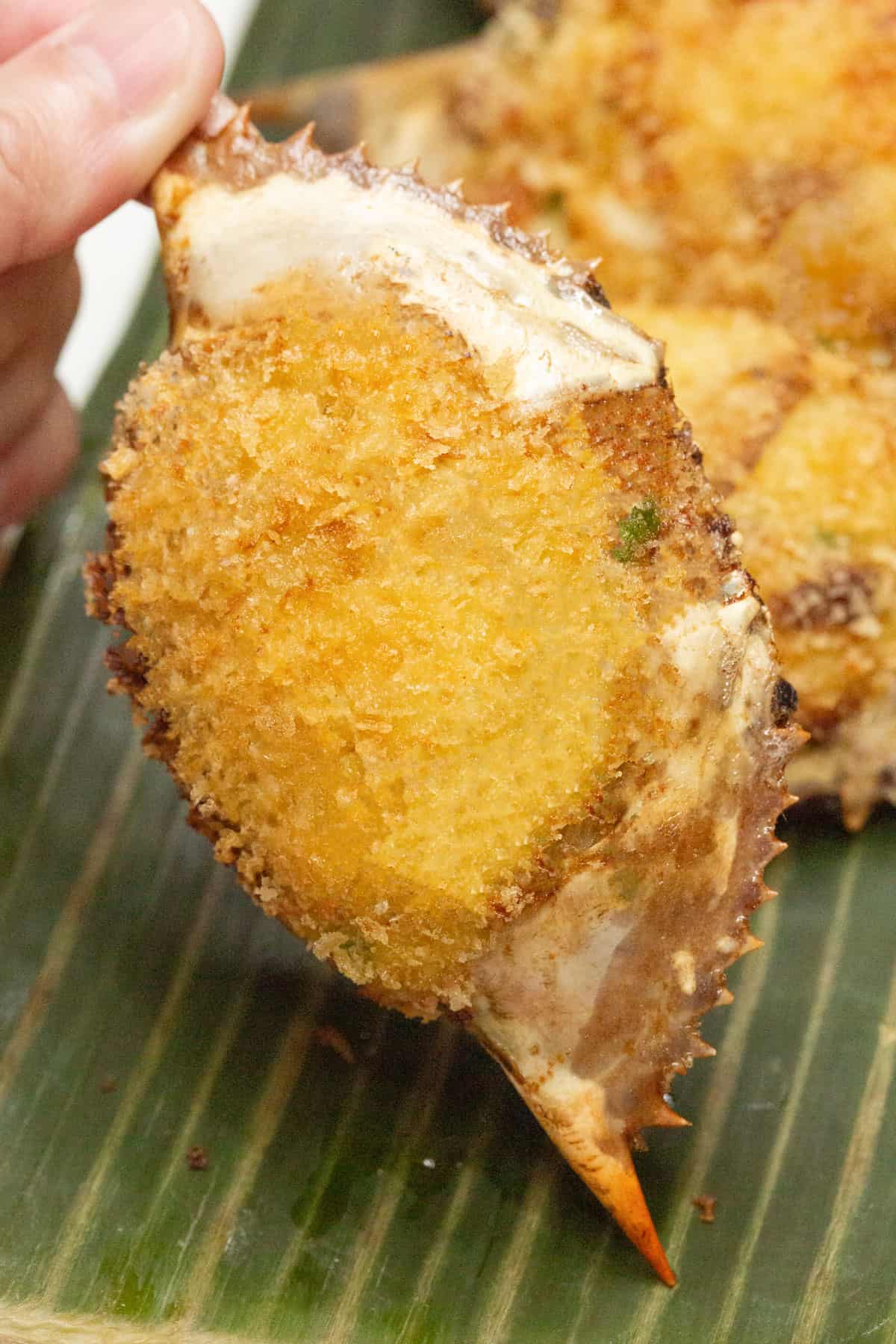
Crab Relleno, or Relyenong Alimasag, is the Filipino version of stuffed crab-made with flaked crab meat and sautéed veggies. It's delicious with banana ketchup or sweet chili sauce for that familiar, nostalgic flavor.
How To Make Filipino Crab Relleno
To make Filipino Crab Relleno, sauté aromatics, veggies, and raisins. Mix with crabmeat, egg, cornstarch, and seasonings. Stuff into clean crab shells or form into patties, then pan-fry until golden. Serve warm with banana ketchup or sweet chili sauce.
Jump to:
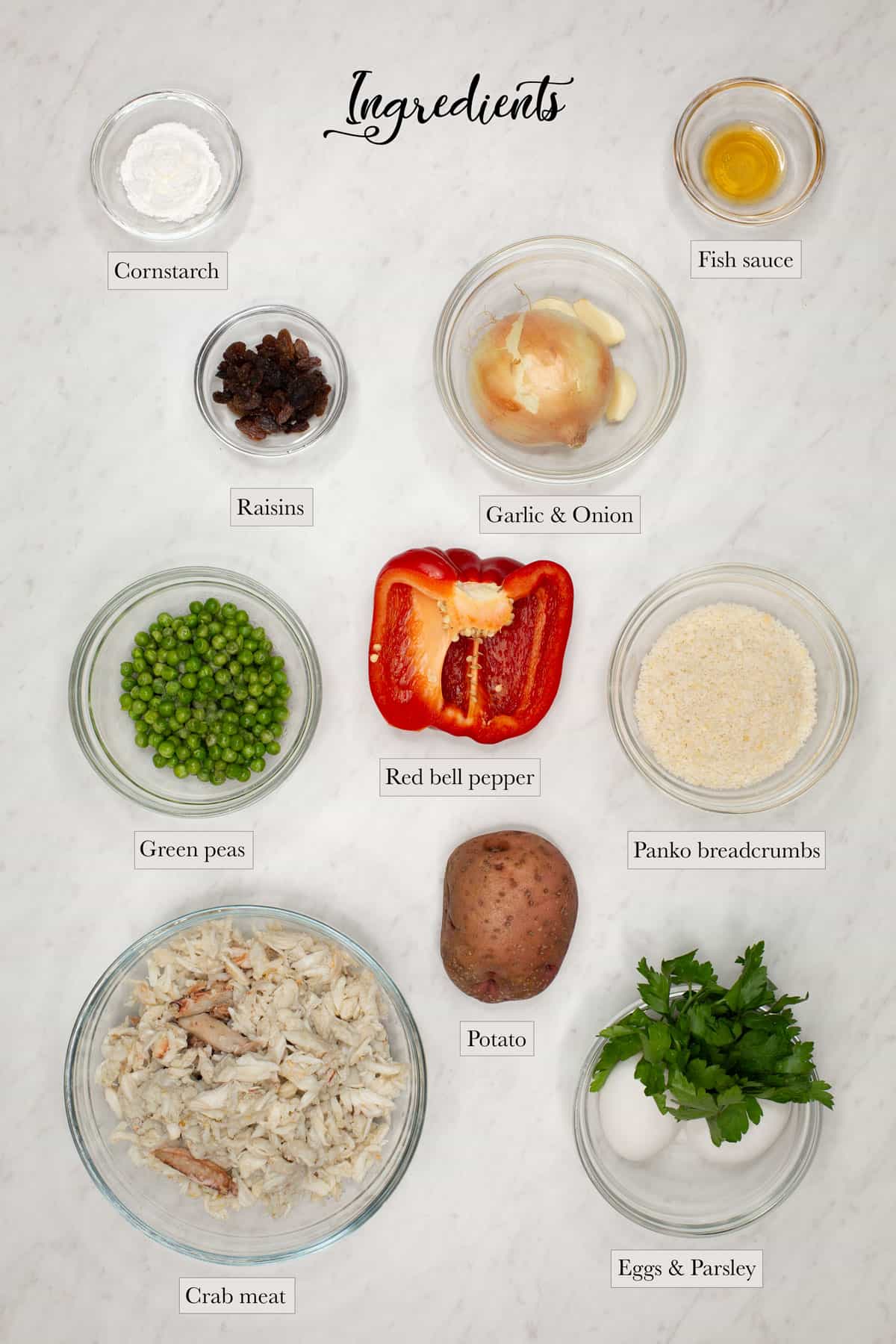
Ingredients you'll need
Notes and substitutions
- Crabmeat: Fresh is best! You can pick the meat from steamed crabs (save the shells for stuffing), or use canned or frozen crab meat for convenience. Just make sure it's real crab-not imitation. If you don't have shells, no worries-shape them into patties like crab cakes.
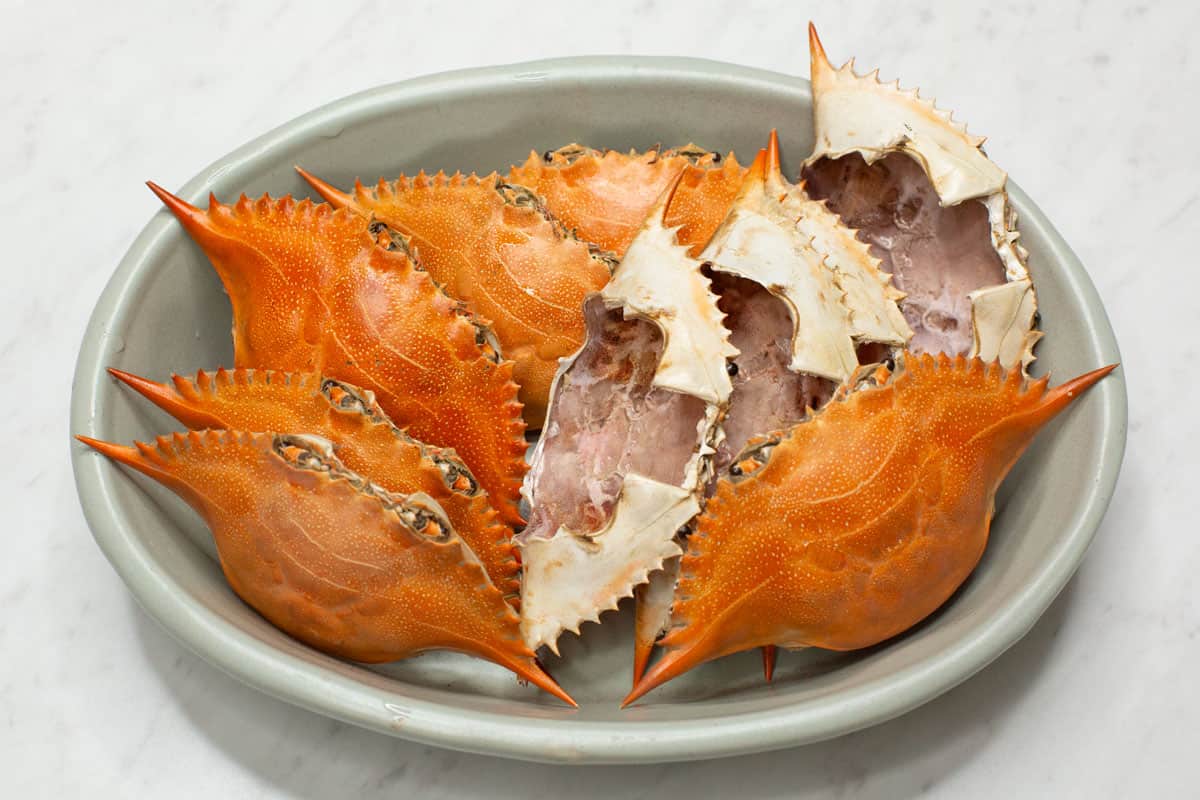
- Crab shells: If you're using fresh crabs, save the top shells (kalasag) after steaming and clean them well-remove any gills or soft tissues and rinse thoroughly. Let them dry before stuffing.
- Vegetables: Potatoes, bell peppers, and peas add texture, color, and help stretch the mixture. You can also add carrots or corn if you'd like. A bit of scallions or parsley adds freshness.
- Raisins (optional but recommended): It might seem unexpected, but raisins add a touch of sweetness that balances the savory filling. It's something you'll often find in Filipino-style rellenos-and it really works!
How to make this recipe
Step 1: Sauté the vegetables
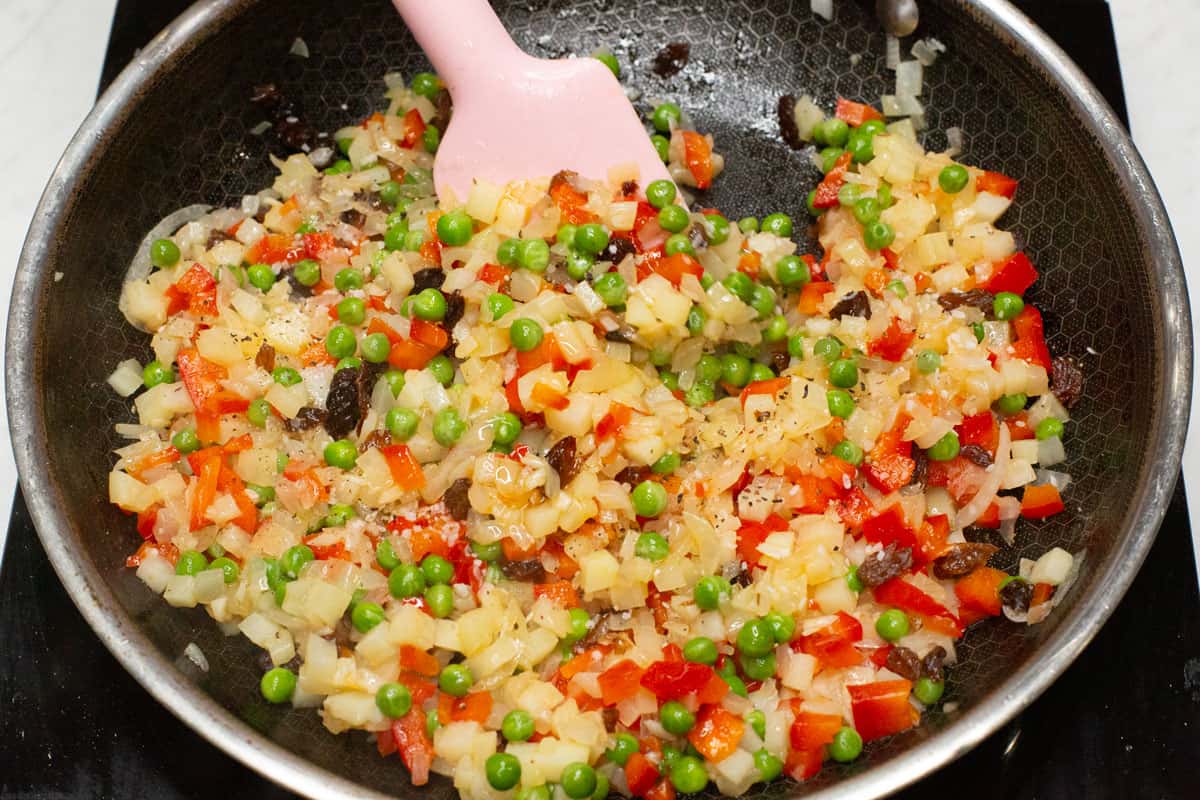
Heat oil in a pan over medium heat. Sauté 3 garlic cloves (minced) and 1 small onion (finely chopped) until softened and slightly caramelized. Add 1 potato (finely diced) and cook for about 5 minutes or until nearly tender.
Stir in ½ red bell pepper (finely chopped), ½ cup peas, and 2 tablespoons raisins (chopped). Cook for another 2 minutes until everything is soft and fragrant. Season with some salt and pepper.
Step 2: Mix the filling
In a bowl, combine the cooked mixture with 1 pound of crabmeat (about 3 cups), 1 tablespoon cornstarch, 1 egg, 2 teaspoons fish sauce, 1 teaspoon kosher salt (use half for table salt), and some ground pepper to taste.
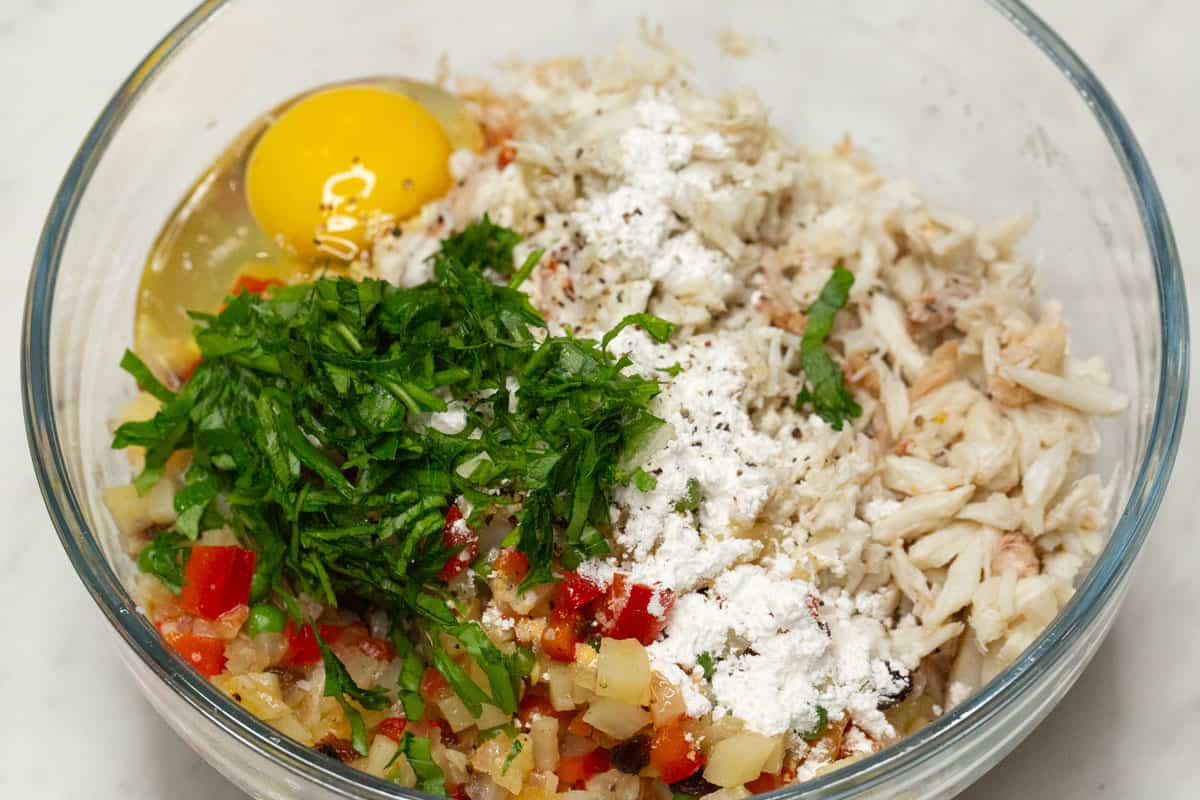
Mix well until everything comes together. You can also add some chopped parsley or scallions for extra flavor and color.
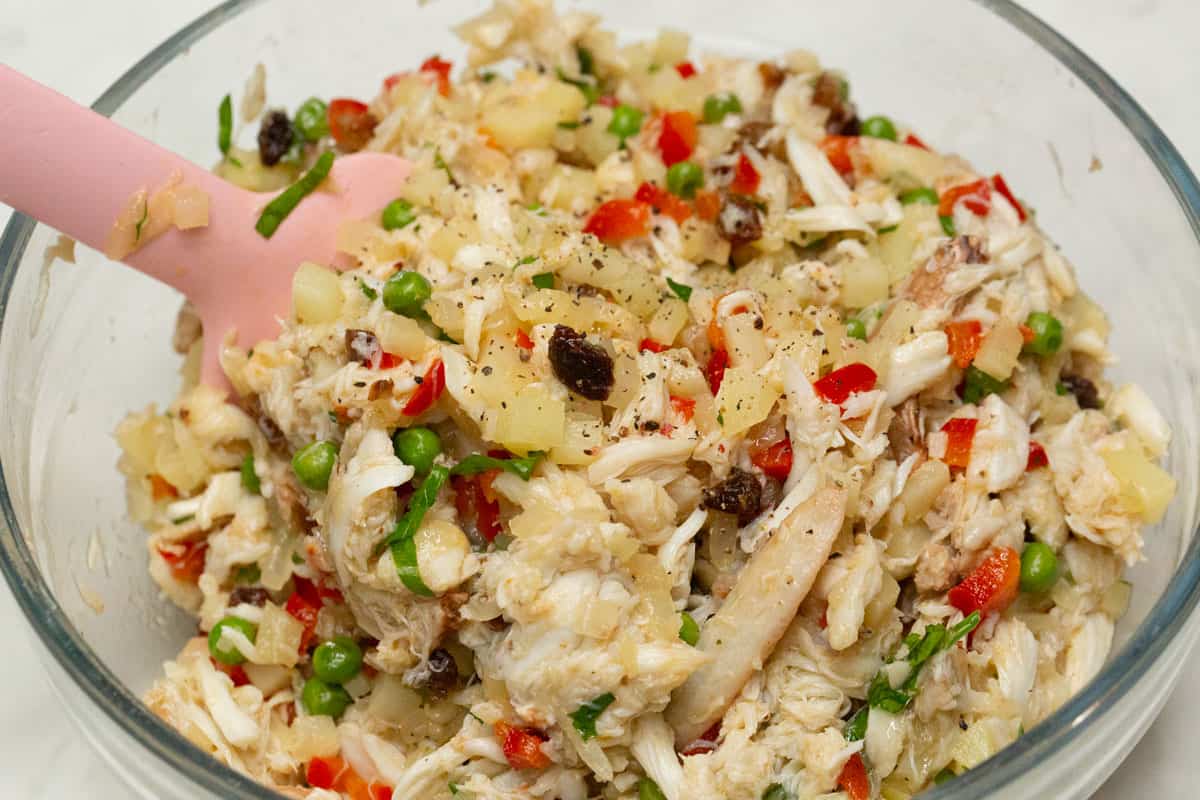
Step 3: Stuff or shape
Spoon the crab mixture into clean, empty crab shells-pressing it in gently and shaping it to look neat and slightly rounded.
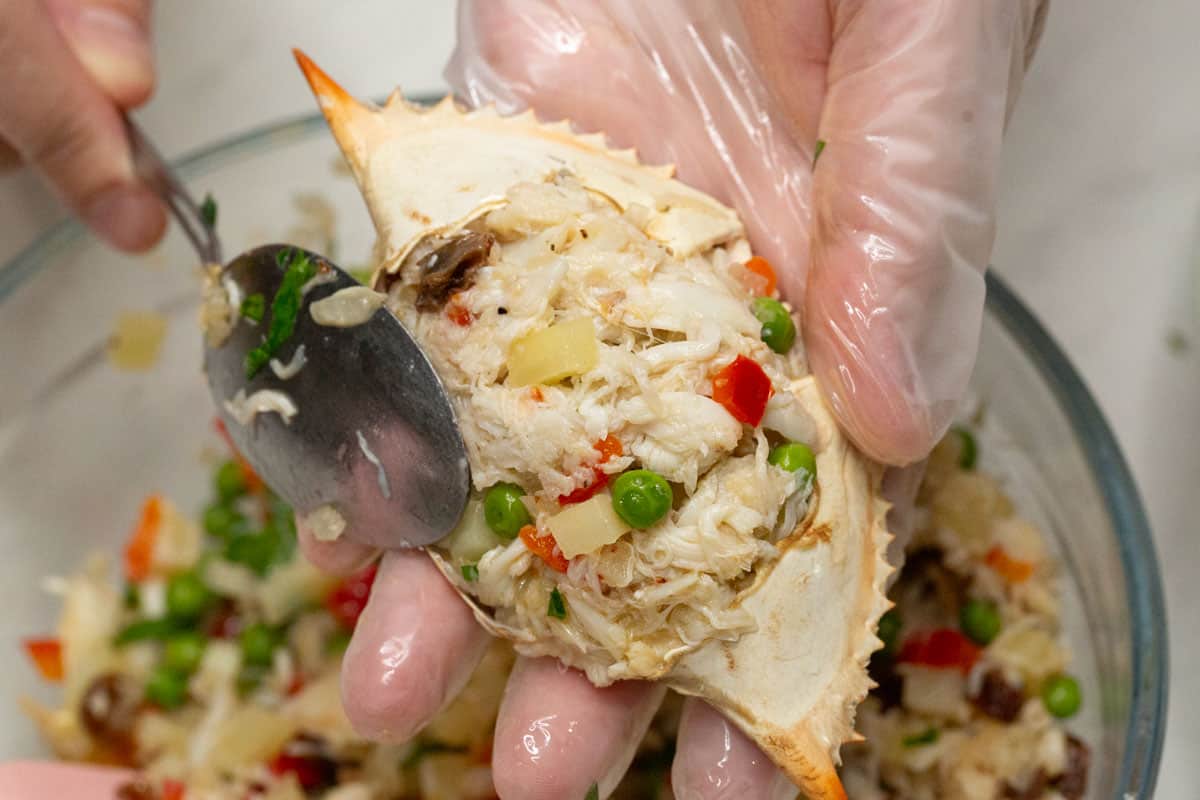
If you don't have shells, shape the mixture into small patties (like Filipino-style crab cakes) using your hands or a scoop. Chill them in the fridge for about 15 minutes to help them hold their shape before frying.
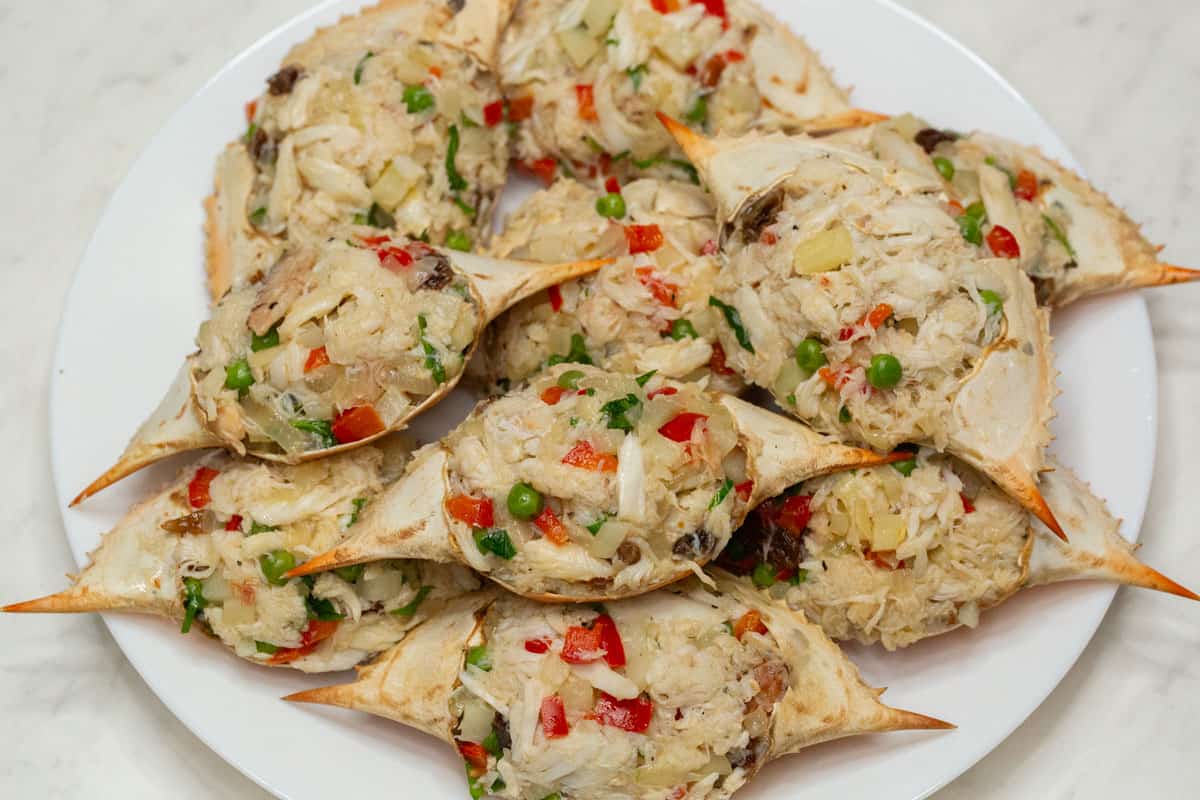
Step 4: Pan-fry
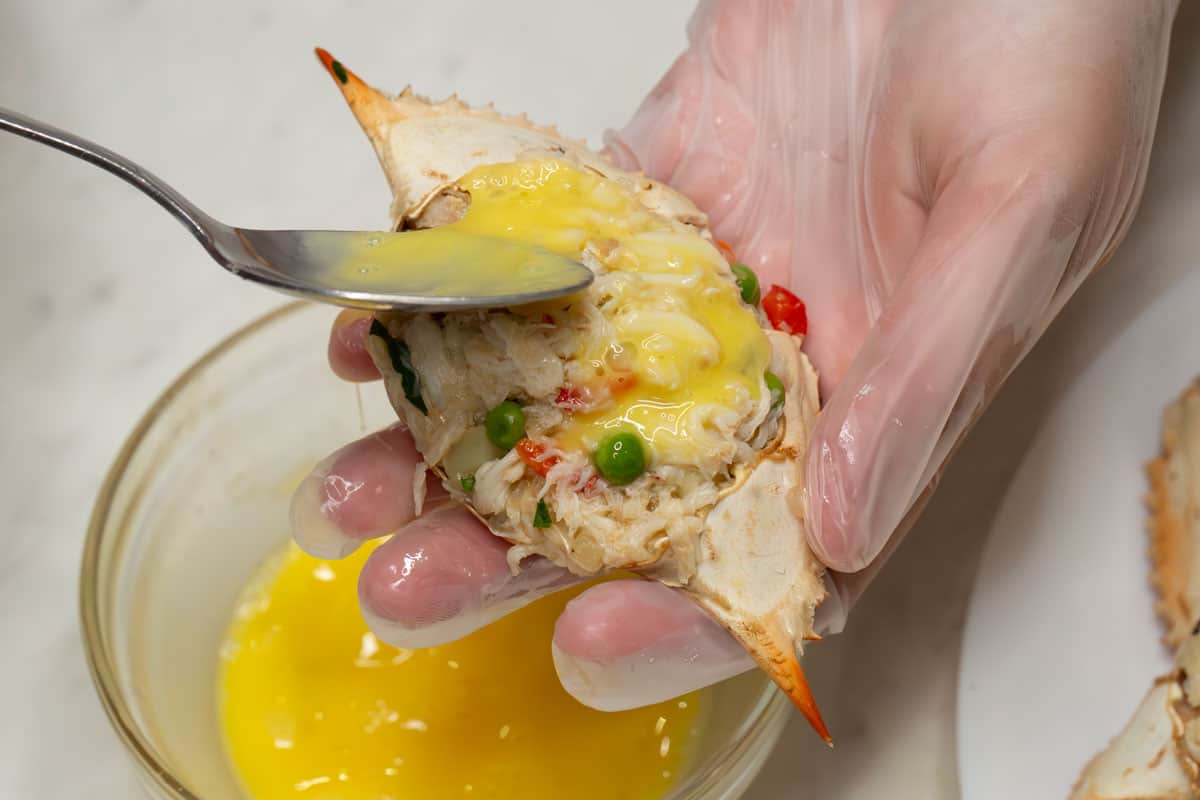
Beat an egg in a bowl. Spoon a bit of the egg over each stuffed shell.
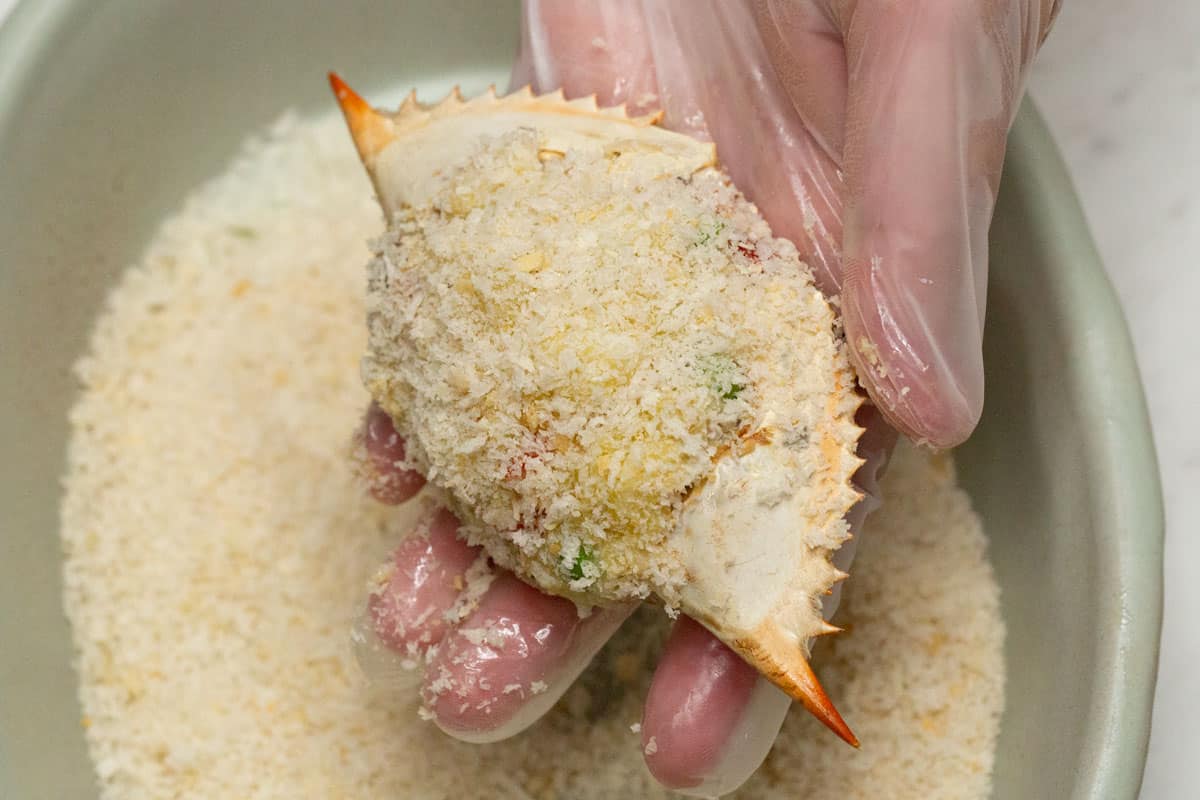
Then, press on some panko breadcrumbs for some extra crunch.
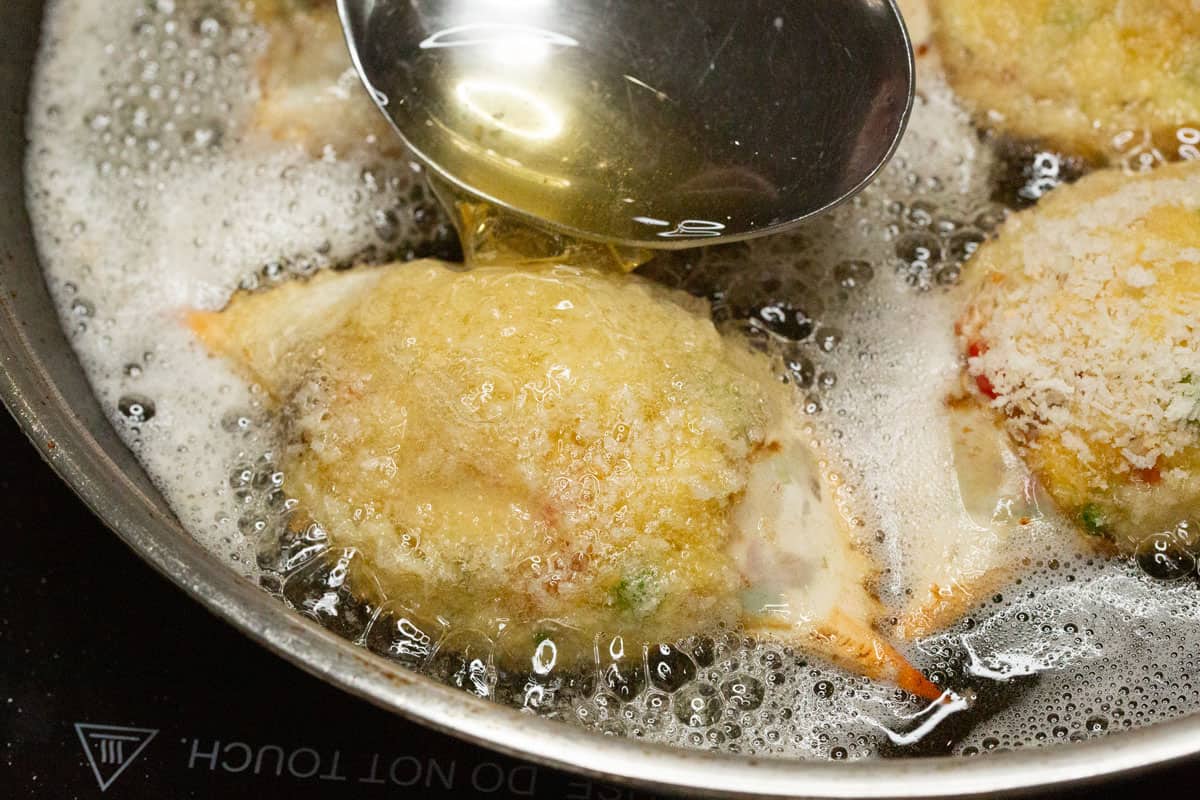
Heat about ½ inch of oil in a pan over medium heat. Place the stuffed shells in the pan, shell-side down, and fry for about 2 minutes until golden.
Spoon some of the hot oil over the top to help set the egg and keep the crumbs in place.
Carefully flip and brown the other side for about a minute, just until golden and heated through.
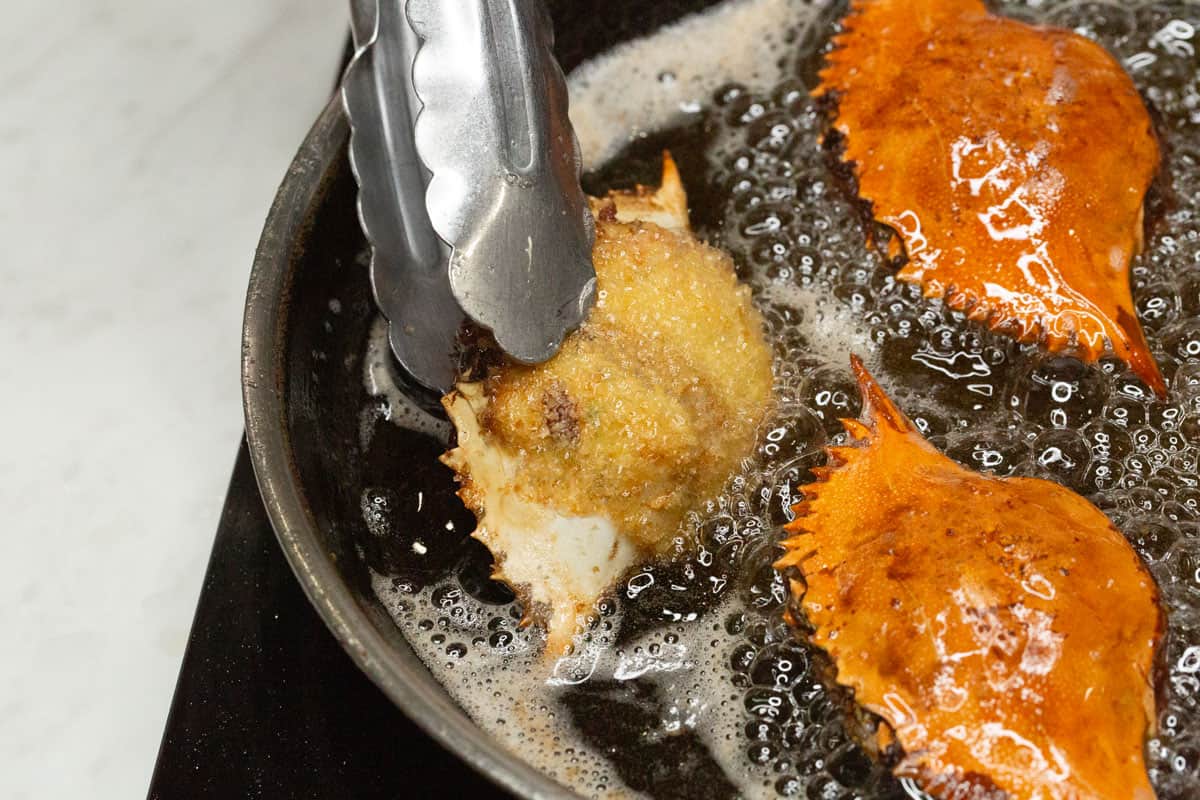
Transfer the fried stuffed crabs to a wire rack or paper towel-lined plate, stuffed side down, to drain excess oil.
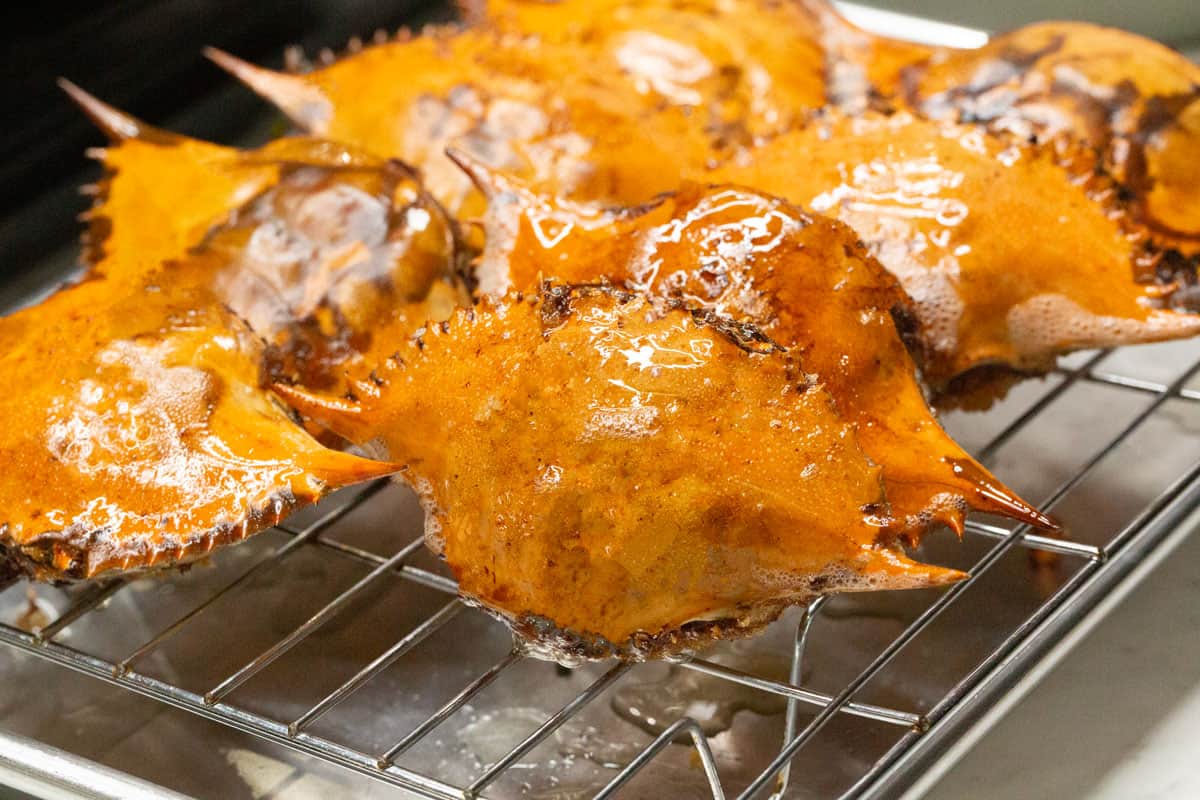
Step 5: Serve
Serve your Filipino Crab Relleno (Relyenong Alimasag) warm with banana ketchup, Sriracha, sweet chili sauce, or your favorite dipping sauce!
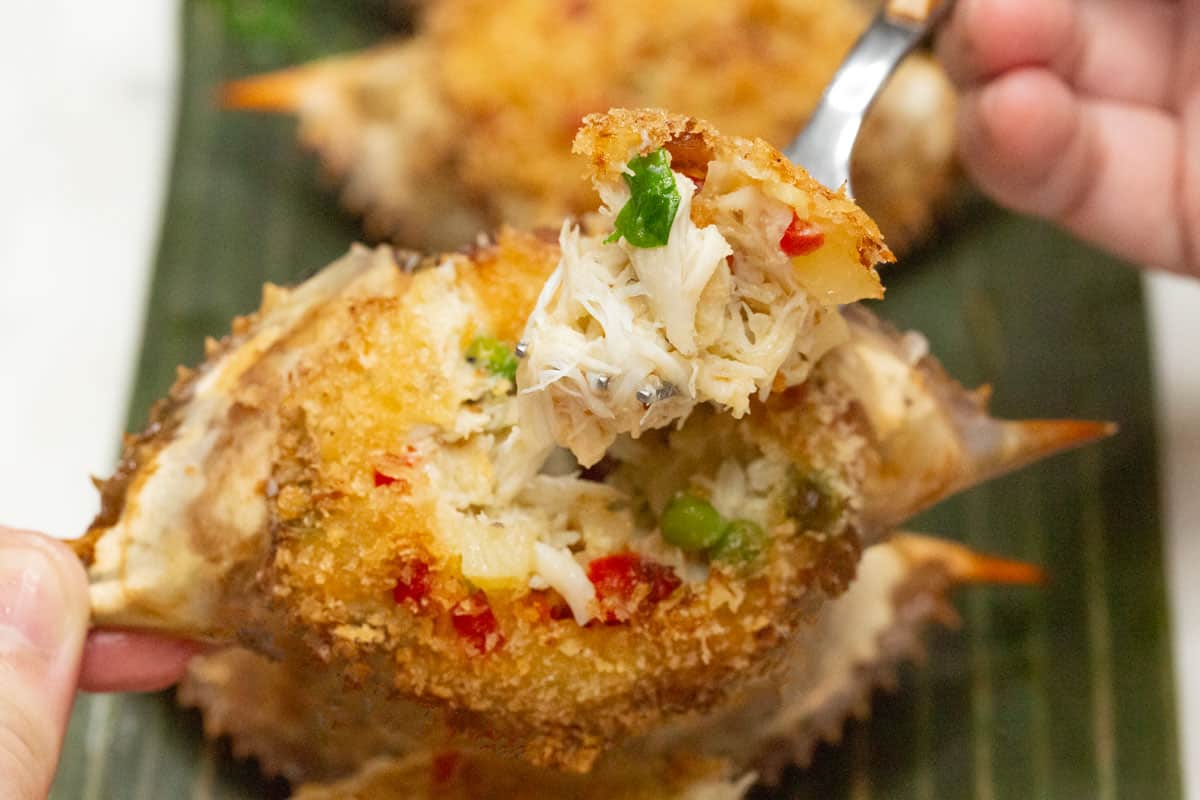
Recipe FAQs
It's a Filipino take on stuffed crab-made with crab meat, sautéed veggies, and sometimes raisins for a touch of sweetness. You can stuff it into real crab shells or just shape it into patties like crab cakes. Then you fry it until golden and crispy!
Of course! If you don't have shells, just form the mixture into little patties instead. They cook up just as delicious!
Fresh crab meat is best if you have it (and you can save the shells, too), but canned or frozen real crab meat works great. Just skip the imitation stuff-it won't taste the same.
Make sure to chill them in the fridge for a bit before frying. The egg and cornstarch also help hold everything together so they don't break apart in the pan.
Yes, you can! Just spray them with a little oil and bake at 375°F (190°C) for 15-20 minutes until golden and cooked through. They won't be quite as crispy, but still really good.
Yes! Prepare the filling and stuff or shape in advance. Store in the fridge for up to 24 hours before pan-frying.
Yes. Shape them and freeze on a tray, then transfer to a container or bag. Cook straight from frozen-just add a few extra minutes.
Try Other Filipino Crab Recipes
- Ginataang Alimasag: Crabs simmered in coconut milk with aromatics and vegetables like squash (kalabasa), yardlong beans (sitaw), or water spinach (kangkong).
- Crab and Corn Soup: Soup made with crab meat, fresh corn, and egg ribbons.
- Alimasag sa Aligue: Crabs simmered in crab fat (aligue), garlic, and aromatics.
- Halabos na Alimasag: Crabs steamed or sautéed in their own juices with a bit of salt and soda or water.
- Tortang Alimasag: A Filipino-style crab omelet made with crab meat and eggs, then pan-fried until golden.
Other seafood recipes you may like

Did you make this recipe? I would love to know! Your feedback helps me make better recipes. Please rate, review, or comment below. Questions about this recipe are welcome, too!
Let's connect on Facebook, Instagram, Pinterest, TikTok, Twitter, and Youtube. Be sure to tag me when you try any of my recipes @recipesbynora!
📖 Recipe
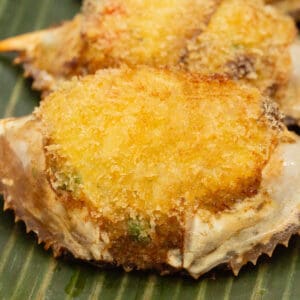
Filipino Crab Relleno (Relyenong Alimasag)
Equipment
- Skillet or wide pan
Ingredients
- 1 pound crabmeat (about 3 cups) (see note)
- 3 garlic cloves minced
- 1 small onion finely chopped
- 1 small potato finely diced (see note)
- ½ red bell pepper finely chopped (see note)
- ½ cup peas fresh or frozen (see note)
- 2 tablespoons raisins chopped (see note)
- 1 tablespoon cornstarch
- 2 eggs for the filling and dipping
- 2 teaspoons fish sauce
- 1 teaspoon kosher salt (use half for table salt)
- Parsley or scallions, chopped optional (see note)
- Salt and pepper to taste
- Neutral oil for sautéing and frying
- Cleaned crab shells optional (see note)
- Panko breadcrumbs, for coating optional
Instructions
- In a pan over medium heat, heat a bit of oil and sauté the garlic and onion until soft and slightly golden. Add the diced potato and cook for about 5 minutes or until almost tender. Stir in bell pepper, peas, and raisins. Cook for another 2 minutes until softened. Let cool slightly.
- Transfer the cooked veggies to a bowl. Add the crab meat, cornstarch, egg, fish sauce, salt, and pepper. Mix until well combined.
- Spoon the mixture into clean crab shells and shape gently to create a smooth, rounded top.No shells? No problem-shape into small patties instead. Chill in the fridge for about 15 minutes to help them firm up.
- Beat 1 egg in a shallow bowl. Spoon the egg over each stuffed shell or patty to lightly coat the top.
- Heat oil in a pan over medium heat. Place the stuffed shells or patties shell-side down and cook for about 3 minutes. Spoon hot oil over the tops to help set the coating. Flip carefully and brown the other side for about 1 minute, or until golden and heated through.
- Serve warm with banana ketchup, sweet chili sauce, or any dipping sauce you love!
Notes
- Crab meat: Fresh is best! You can pick the meat from steamed crabs (and save the shells for stuffing), or use canned or frozen crab meat for convenience. Just make sure it's real crab-not imitation. No shells? Just shape the mixture into patties, like Filipino-style crab cakes.
- Crabshells: If using fresh crabs, save the top shells (kalasag). Clean them well-remove gills and soft tissues, rinse, and let them dry completely before stuffing.
- Vegetables: Potatoes, bell peppers, and peas add color, texture, and help stretch the filling. You can also throw in chopped carrots or corn. A bit of scallions or parsley brings freshness.
- Raisins (optional but recommended): It may sound unusual, but raisins add a nice touch of sweetness to balance the savory filling. It's a common addition in Filipino-style relleno and really ties everything together.

T says
I remember my mom making this for fiesta every year. It’s one of the things i always look forward to.
Nora Reyes says
Aw, that’s such a sweet memory. There’s something so special about dishes tied to family and celebrations—no wonder it’s something you always looked forward to.