
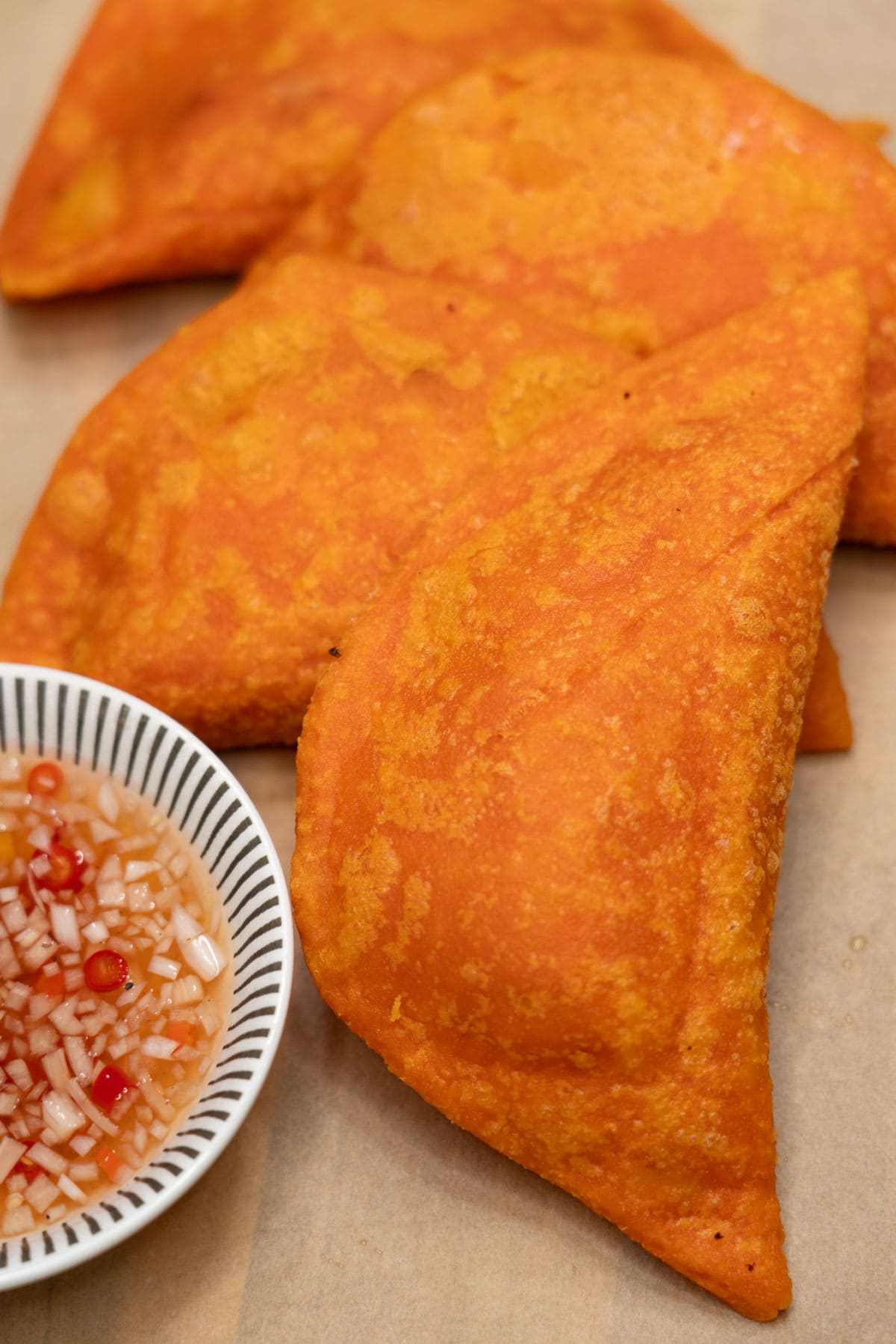
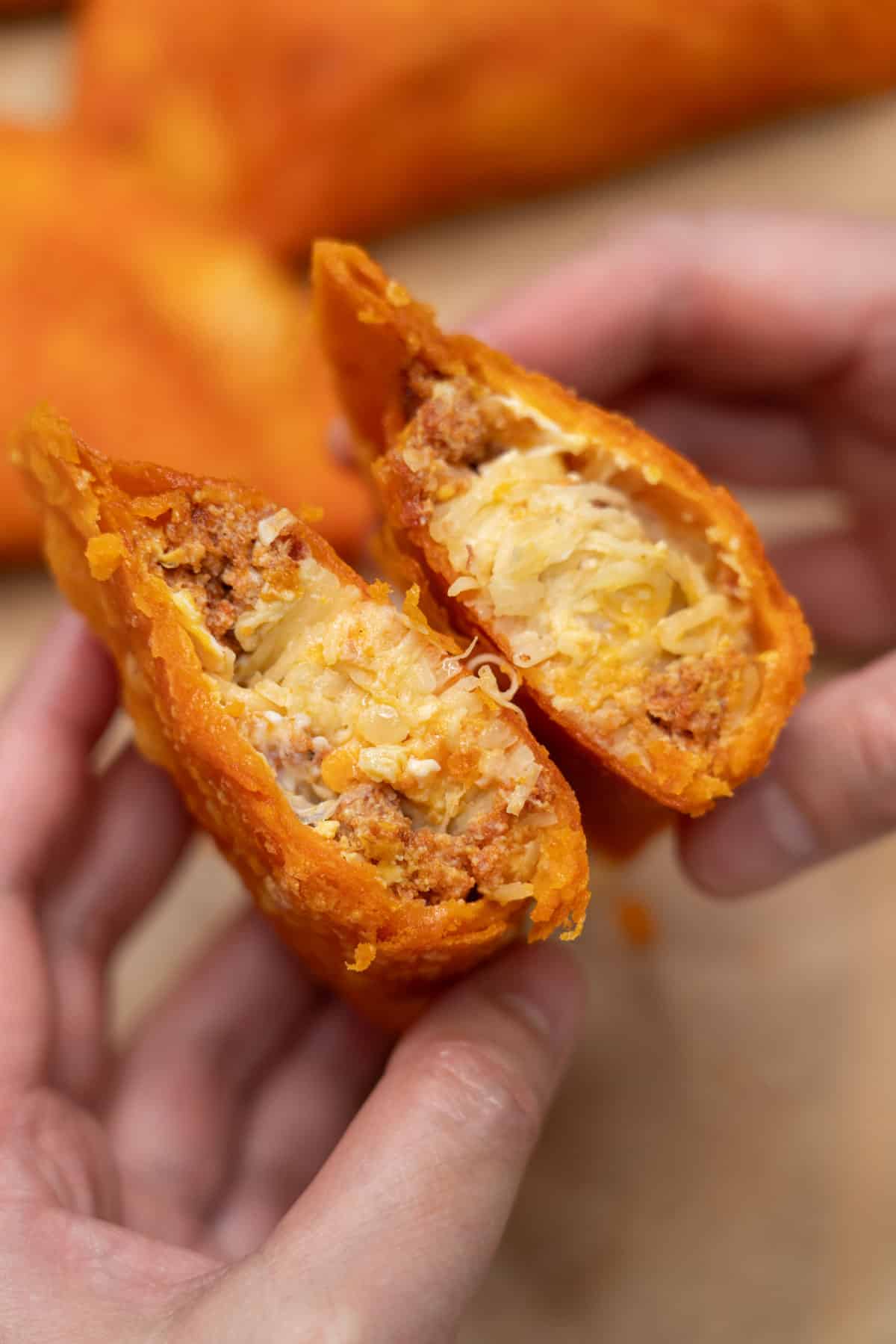
Ilocos empanada (also called Vigan empanada) is a popular Filipino street food from Northern Luzon. It has a bright orange wrapper filled with garlicky longganisa, green papaya, and a whole egg.
That crispy shell is what makes it so special. Each empanada is fried until crisp and served with sukang Iloko.
Jump to:
What is Ilocos Empanada?
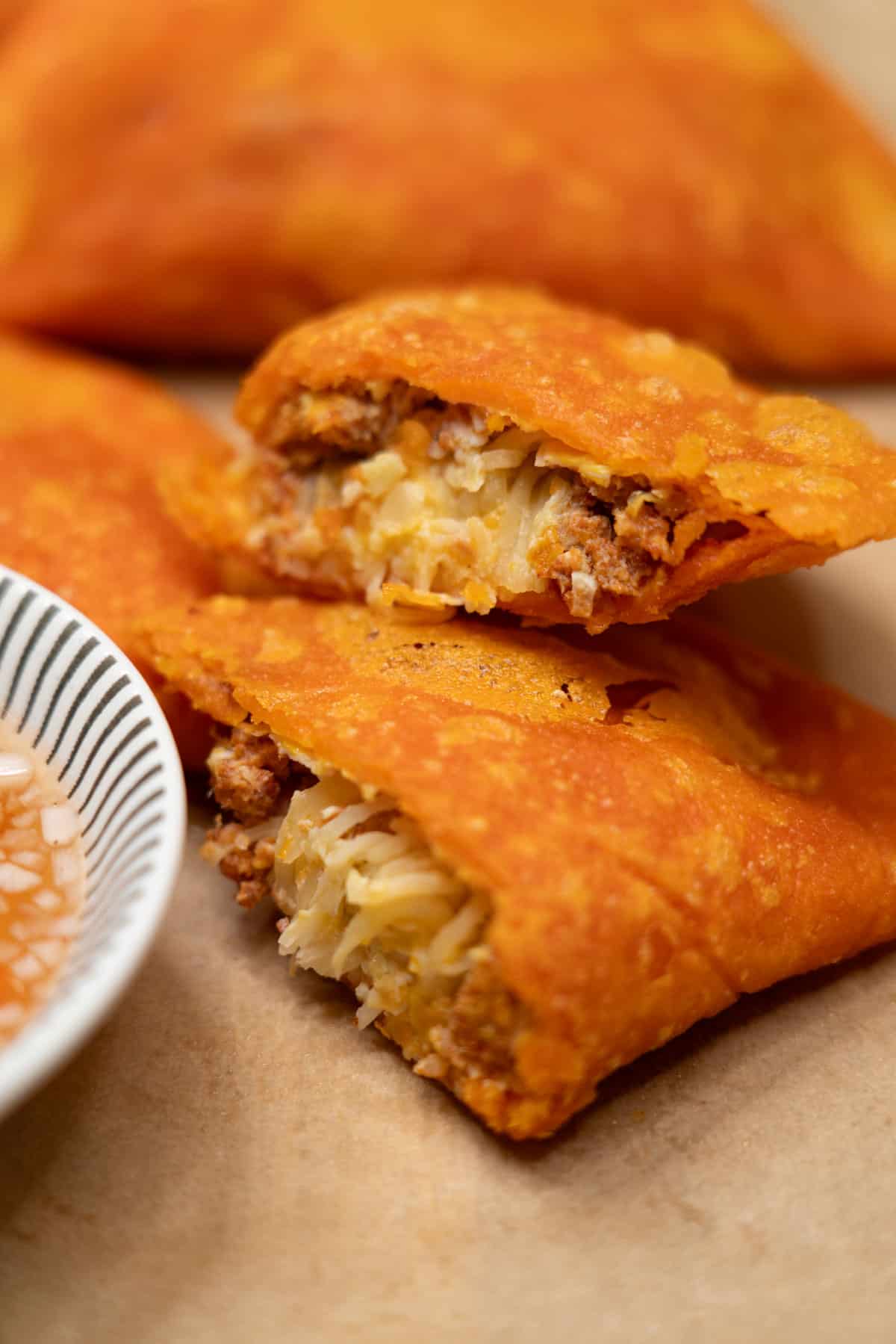
Ilocos empanada is a regional Filipino street food with a bright orange wrapper made from rice flour, colored with achuete (annatto). It's filled with garlicky longganisa, green papaya, and egg, then fried until crisp.
Unlike baked empanadas, Ilocos empanada has a thin, crunchy shell that shatters when you bite into it. It's best served hot, with sukang Iloko or ketchup on the side.
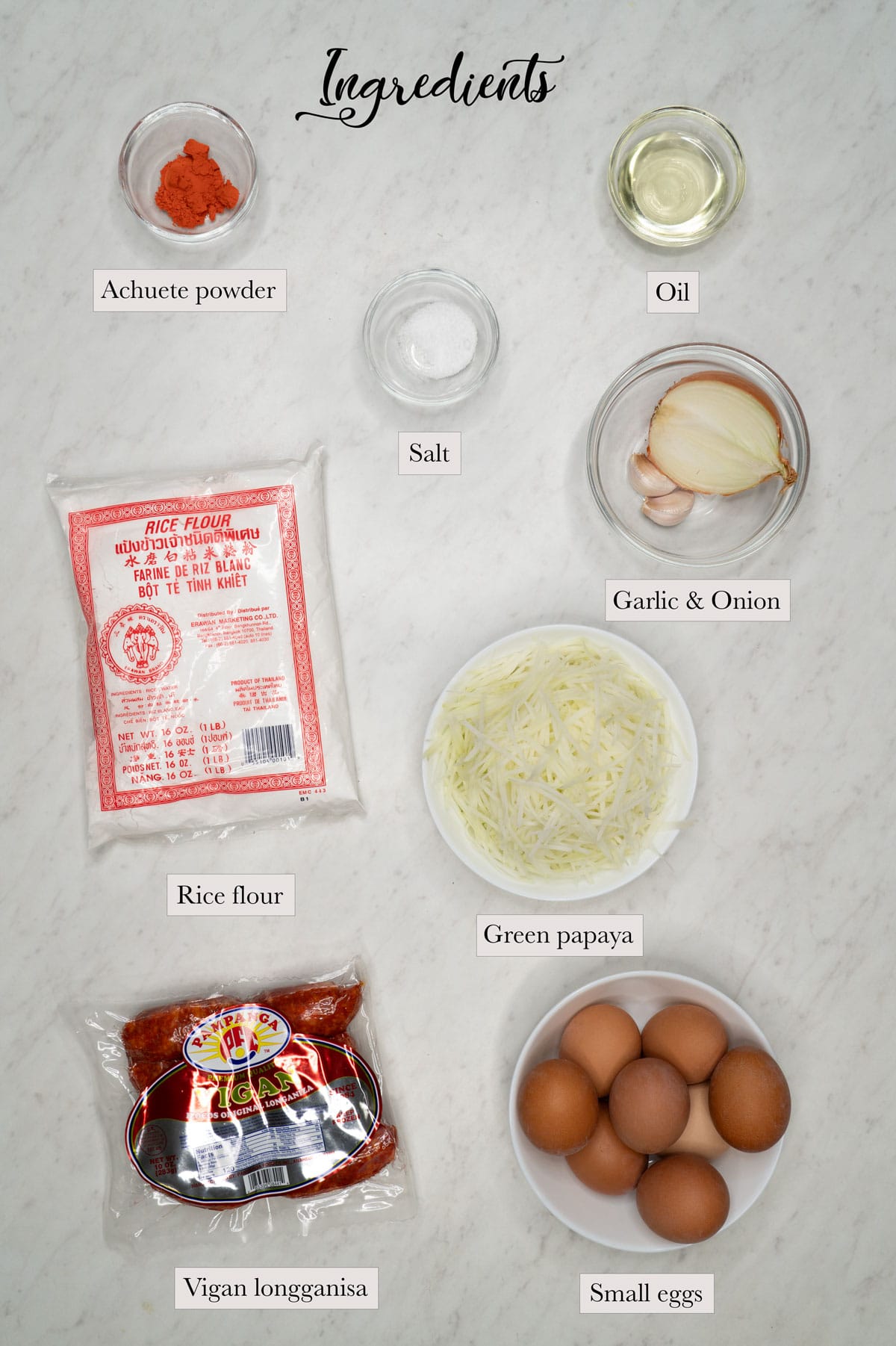
Ingredients you'll need
Notes and substitutions
- Longganisa: Vigan longganisa is the traditional choice and gives Ilocos empanada its signature garlicky, slightly sour flavor. Other garlicky longganisa will work, but sweet longganisa isn't the best choice here.
- Vegetables: Green (unripe) papaya works best because it softens slightly when cooked but still keeps a bit of crunch. You can also use shredded cabbage, mung beans, or bean sprouts.
- Egg: The egg makes the empanada rich and more filling. Small eggs work best-they fit neatly inside and cook more evenly without leaking. If your eggs are large, lightly scramble one and divide it between empanadas so the filling fits better and doesn't leak. You can also use quail eggs, especially for smaller empanadas.
- Rice flour: This is what gives Ilocos empanada its thin, crispy shell. All-purpose flour can work, but it won't get as crispy and will give you a softer, more bread-like shell instead.
- Achuete powder (annatto): It's is used mainly for color-it gives the dough its signature orange color . The flavor is very mild, so it won't overpower the filling.
- Oil: For frying, use a neutral oil with a high smoke point, such as vegetable, canola, or peanut oil. This helps the empanadas fry crisp without adding extra flavor.
How to make this recipe
Step 1: Prepare the filling
Remove the casing from the longganisa. Some brands are easy to peel and break apart by hand.
Mine was pretty firm, so I pulsed it briefly in a food processor to loosen it up - it made it much easier to work with.

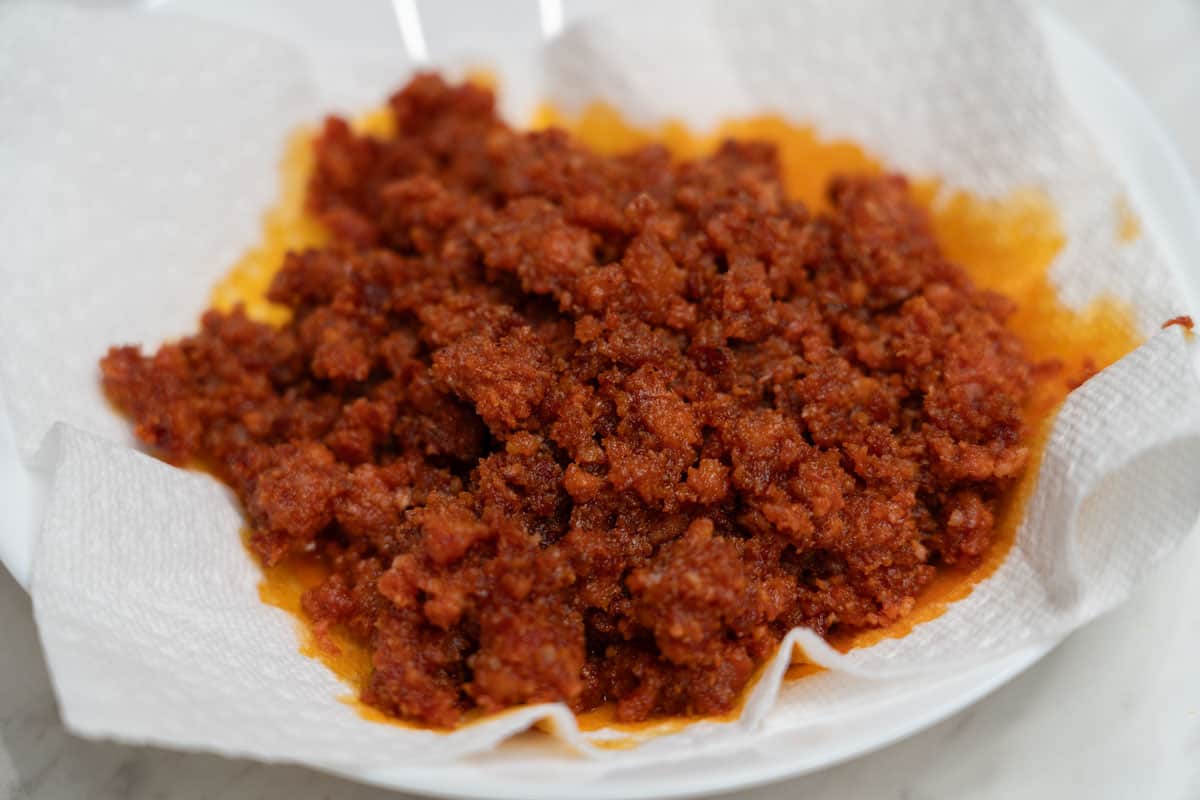
Heat a pan over medium heat and add the longganisa. You usually don't need oil since it releases its own fat.
Cook until lightly browned, breaking it up as it cooks. Transfer to a bowl and let it drain on paper towels to remove excess oil.
In the same pan, add a little oil if needed. Sauté the garlic and onion until softened.
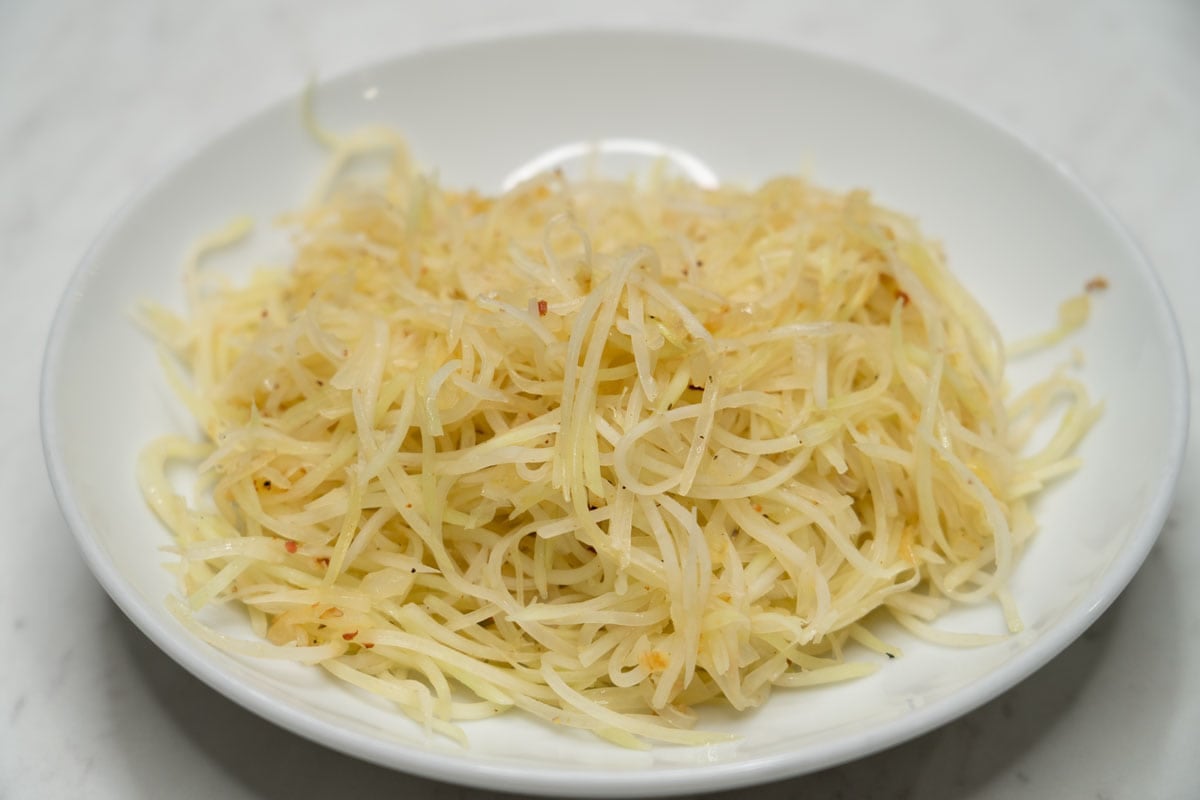
Add the shredded green papaya and cook for a few minutes, just until it softens but still has a little bite. Season lightly with salt and pepper, then set aside.
If you're using cabbage or bean sprouts instead, you don't need to cook it-it's nice and crisp added raw.
Step 2: Make the dough
In a small saucepan, combine:
- 2 cups of water
- 2 teaspoons achuete powder
- 1 teaspoon kosher salt (use half for fine salt)
- 2 tablespoons of neutral oil.
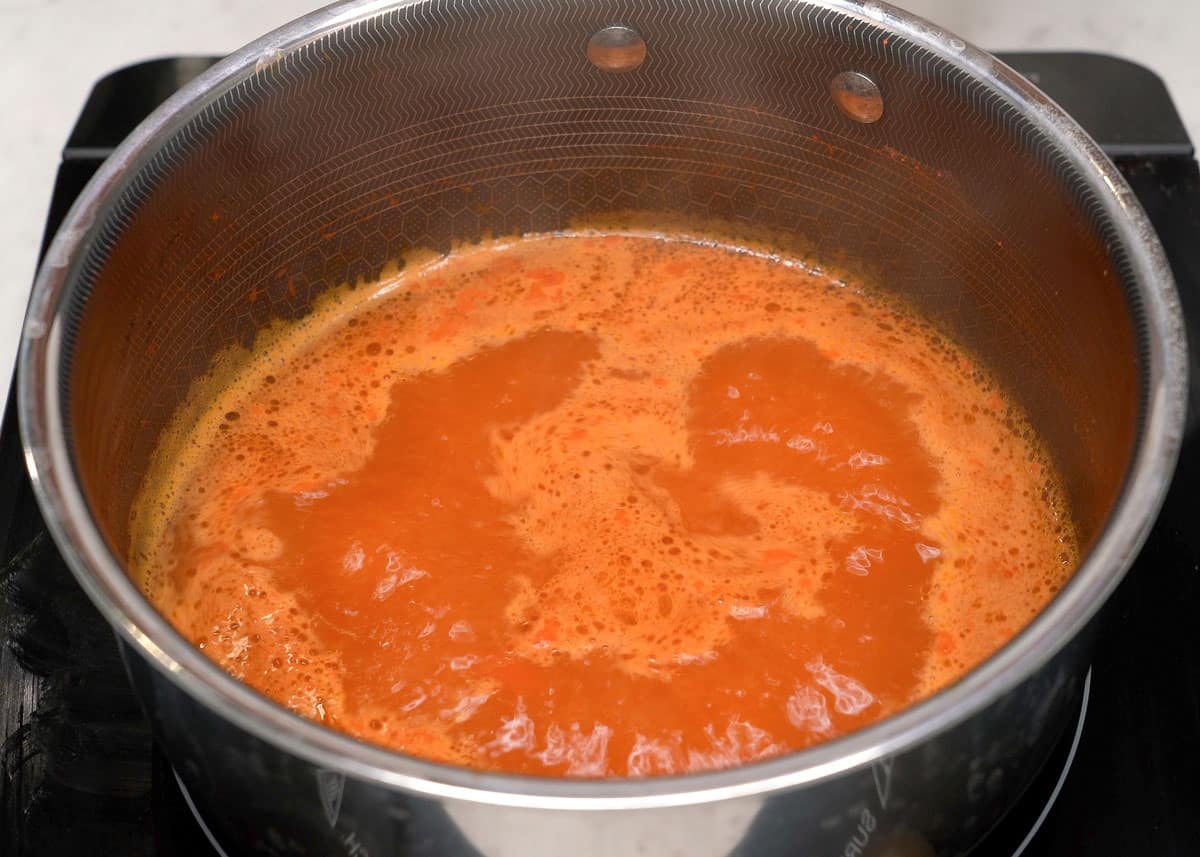
Place over medium heat and mix until the achuete dissolves and the liquid comes to a boil.
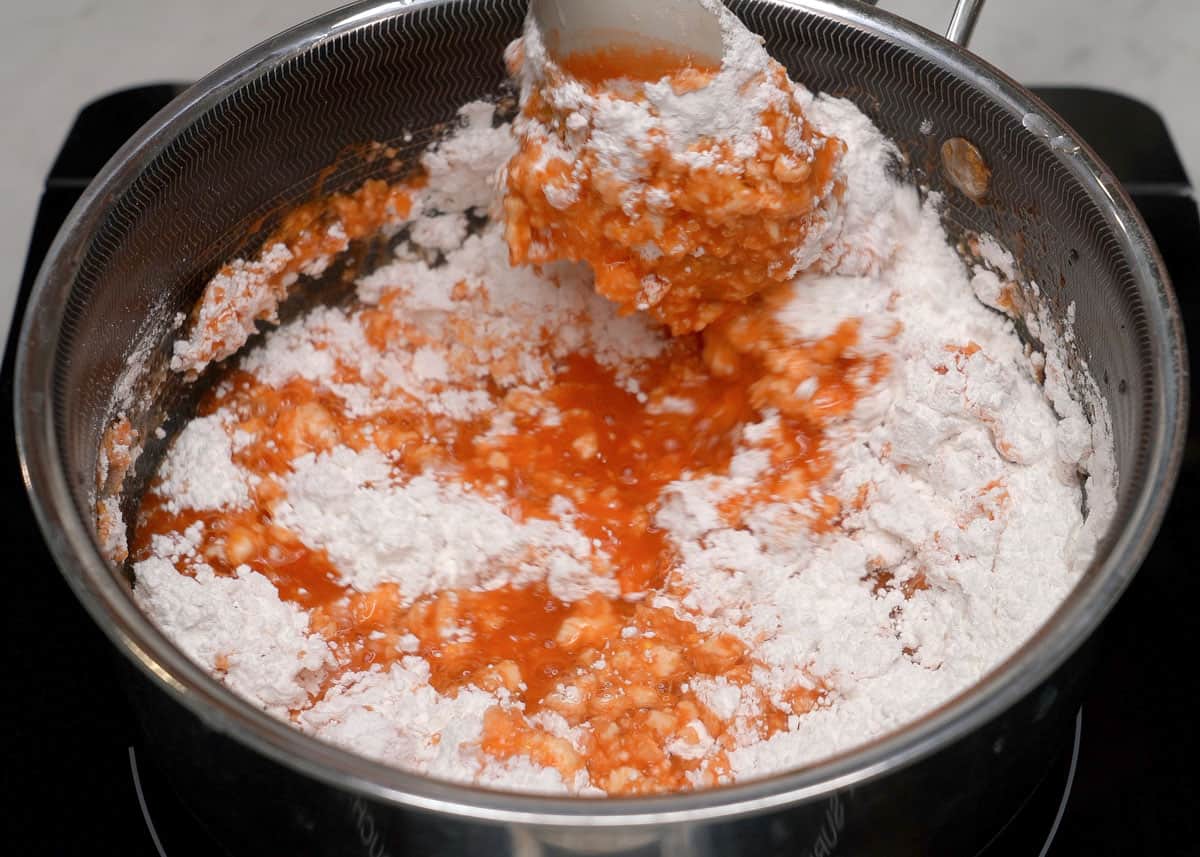
Once it comes to a boil, add 2 cups of rice flour all at once. Stir right away with a spatula or wooden spoon until the flour is fully moistened and a rough dough forms.
Turn off the heat right away-this step is just to lightly cook the flour. Let it cool until warm to the touch.
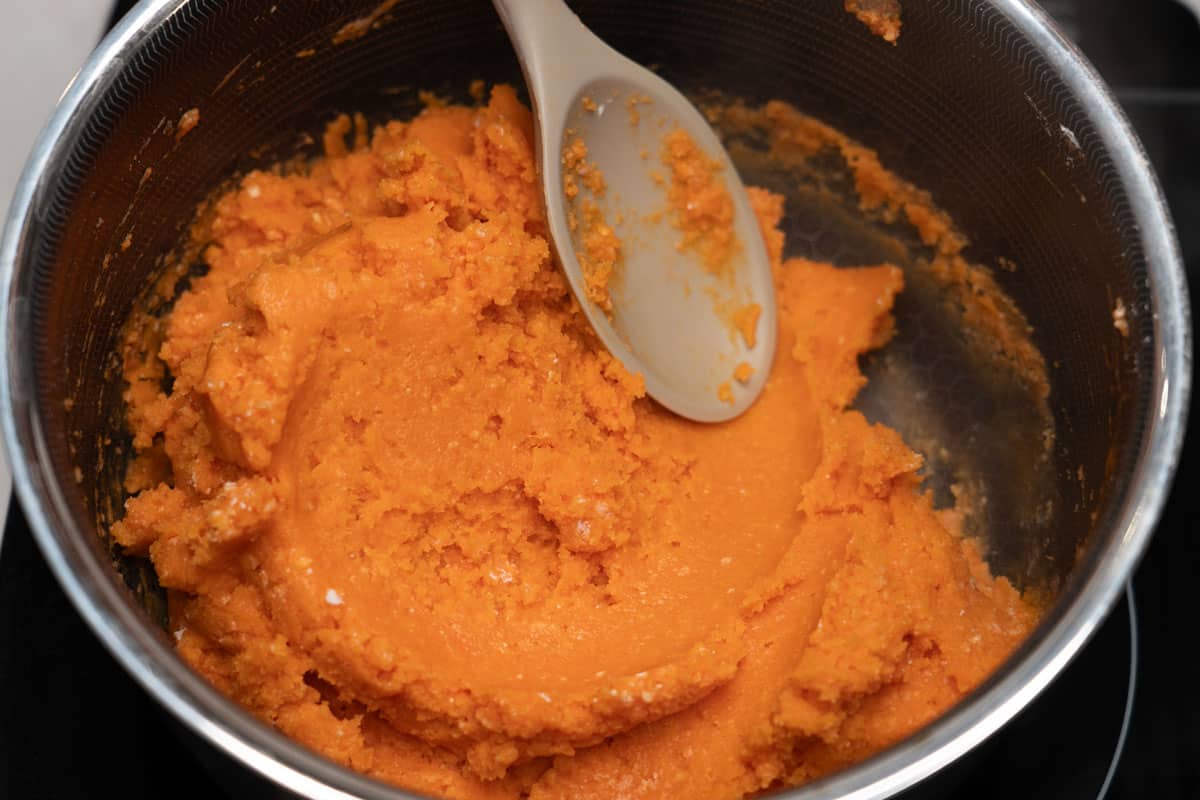
Transfer it to a bowl and knead-more like pressing and folding-just until smooth and evenly mixed.

Step 3: Shape and assemble
Divide the dough into 6 equal portions.
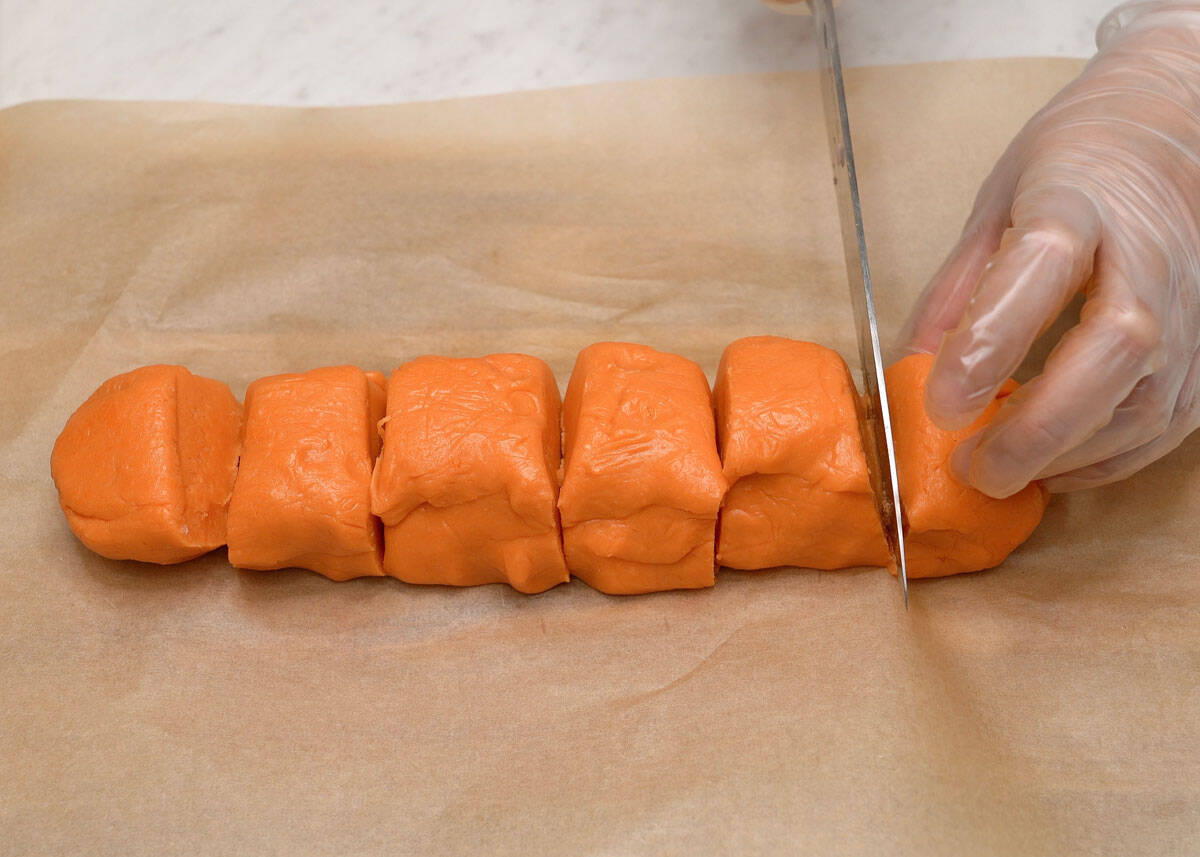
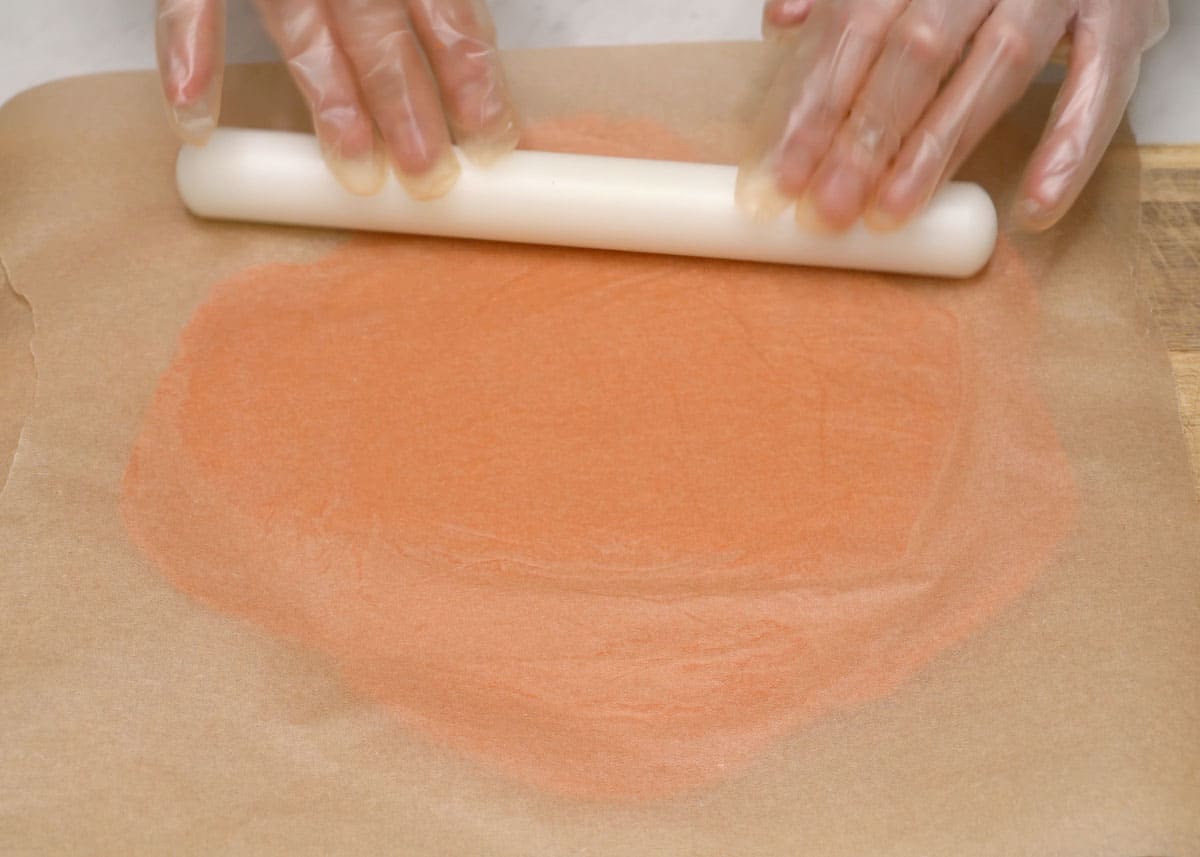
Place one portion between two sheets of plastic or parchment paper. Use a rolling pin (or a glass with smooth sides) and flatten it into a thin circle.
Keep the plastic smooth as you press-wrinkles can cause the dough to crack.
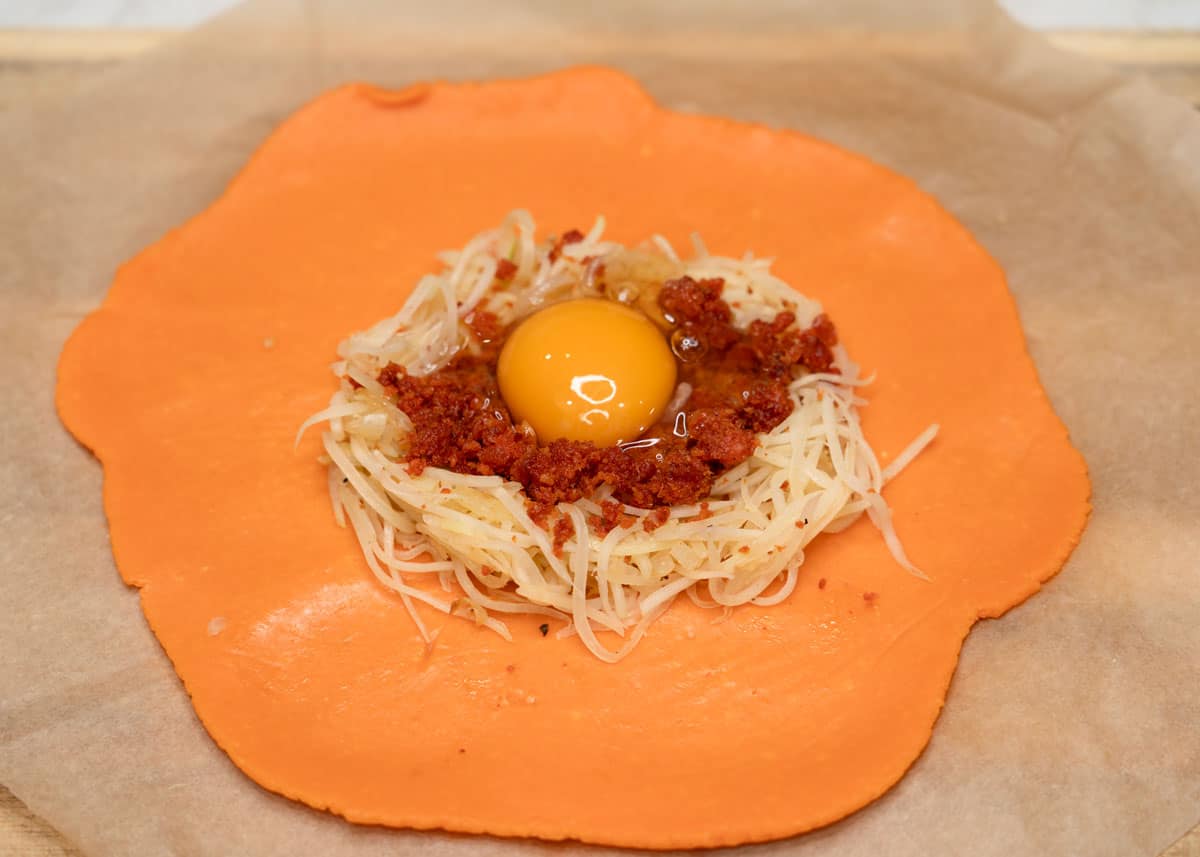
Spoon the longganisa and papaya filling just above the center of the dough, leaving space around the edges. Make a small well in the filling and carefully crack a small egg into the center.
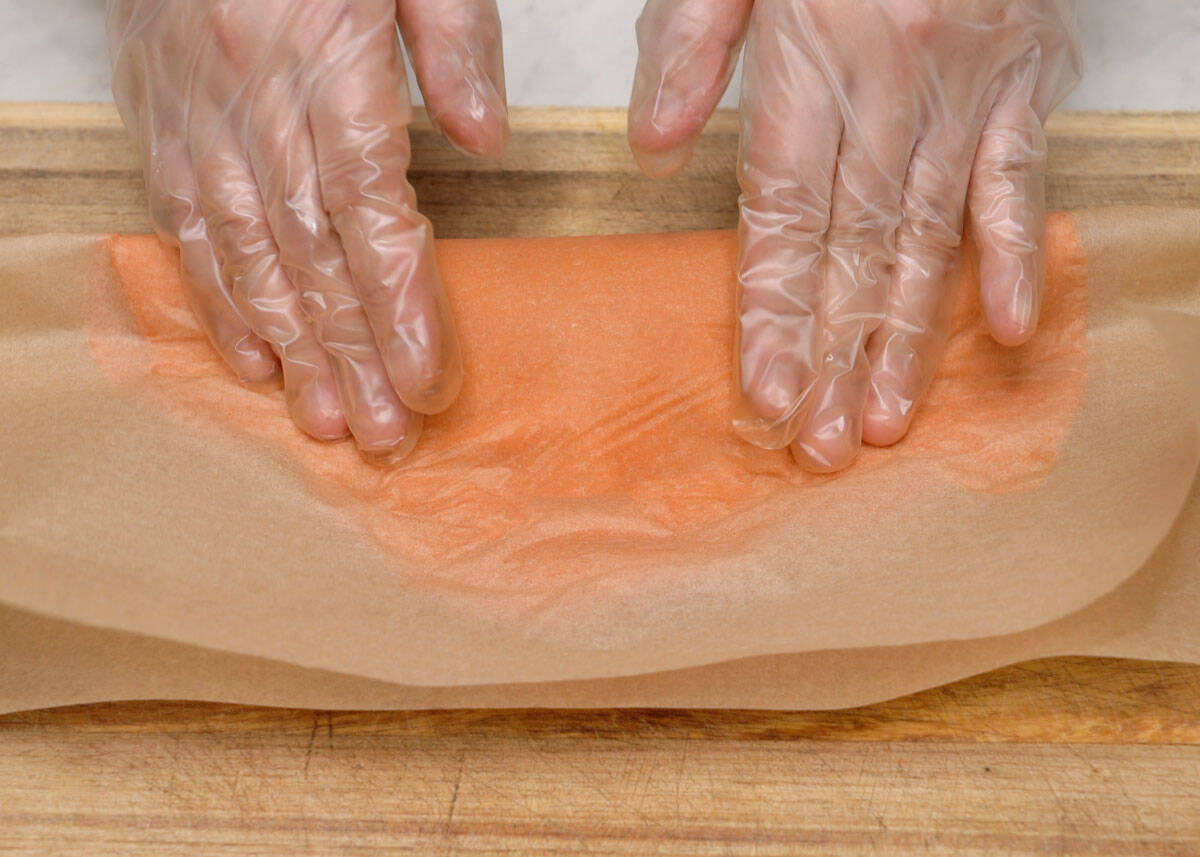
Fold the dough over the filling to form a half-moon. Press the edges together to seal.
If the dough cracks or tears, don't worry. Just pinch it back together or patch it with a small piece of dough, pressing gently to seal. A slightly rustic look is normal and part of the charm.
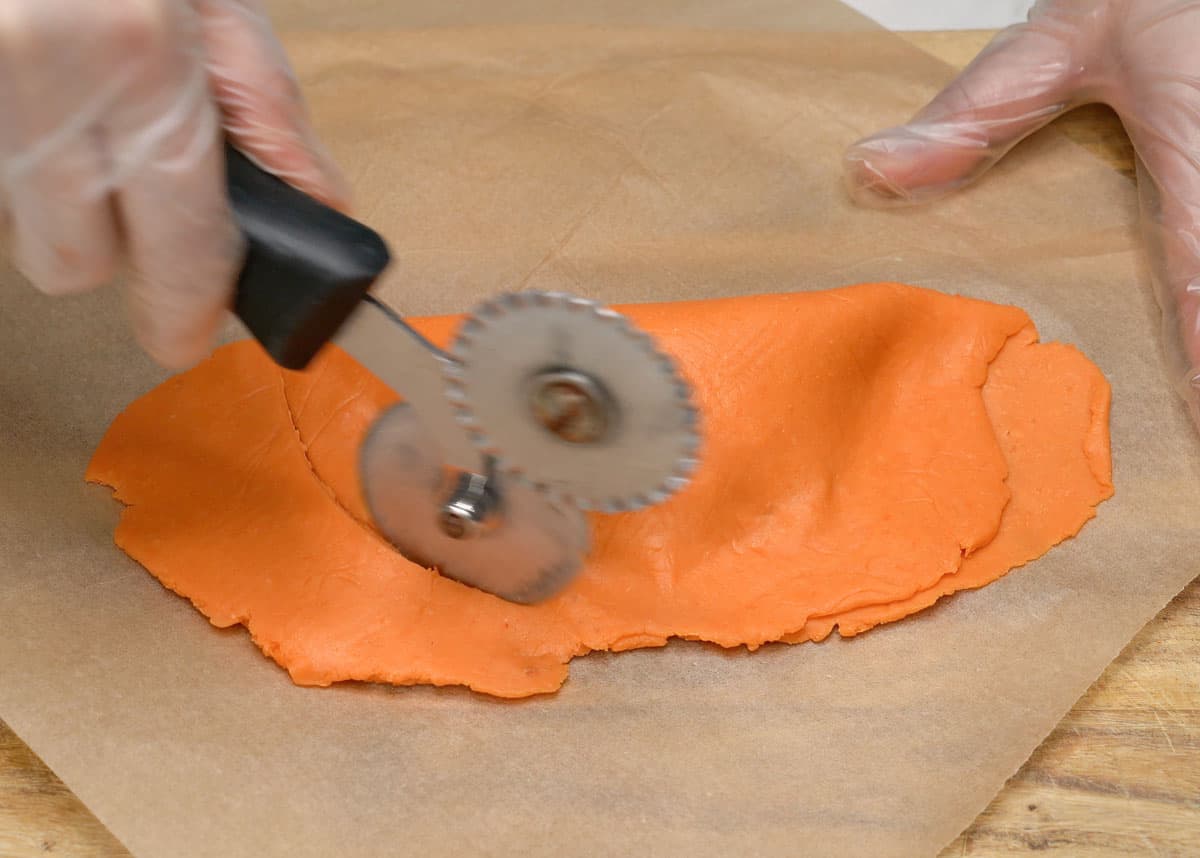
For a clean shape, trim the edges with a plate, knife, or pizza cutter. The wrapper should be thin but sturdy-thin for the best texture, but strong enough to hold the filling.
Don't throw away the scraps-gather them, lightly knead until smooth, and roll them out again.
Step 4: Fry the empanadas
Once the empanadas are filled and sealed, fry them right away. Rice flour dough dries out quickly and can crack if it sits too long.
Heat oil in a wide pan or wok over medium-high heat. Test it with a small piece of dough-it should sizzle immediately.
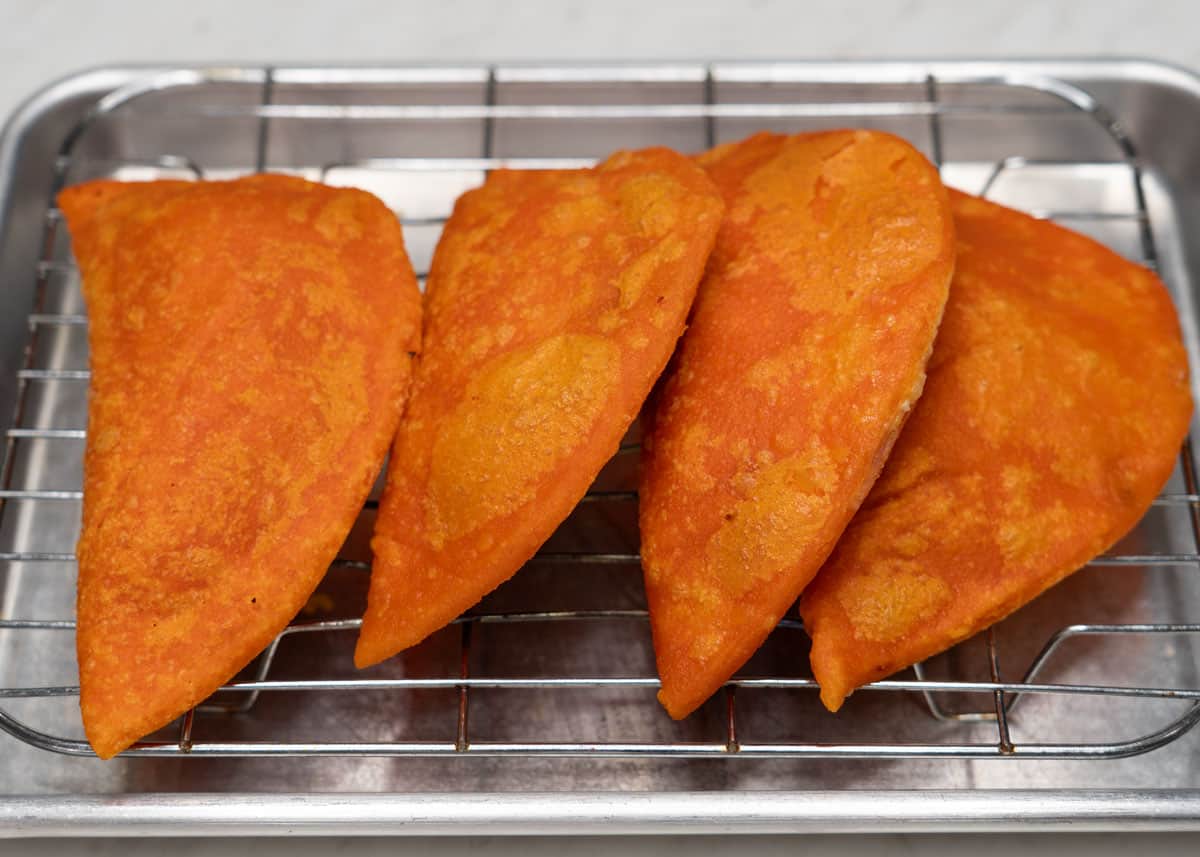
Fry the empanadas for about 3-5 minutes per side, until crispy and golden. The shell should feel firm; if not, just let it fry a little longer.
Keep the heat steady-if the oil is too cool, the empanadas will turn greasy; if it's too hot, they'll brown too quickly before the egg has time to set.
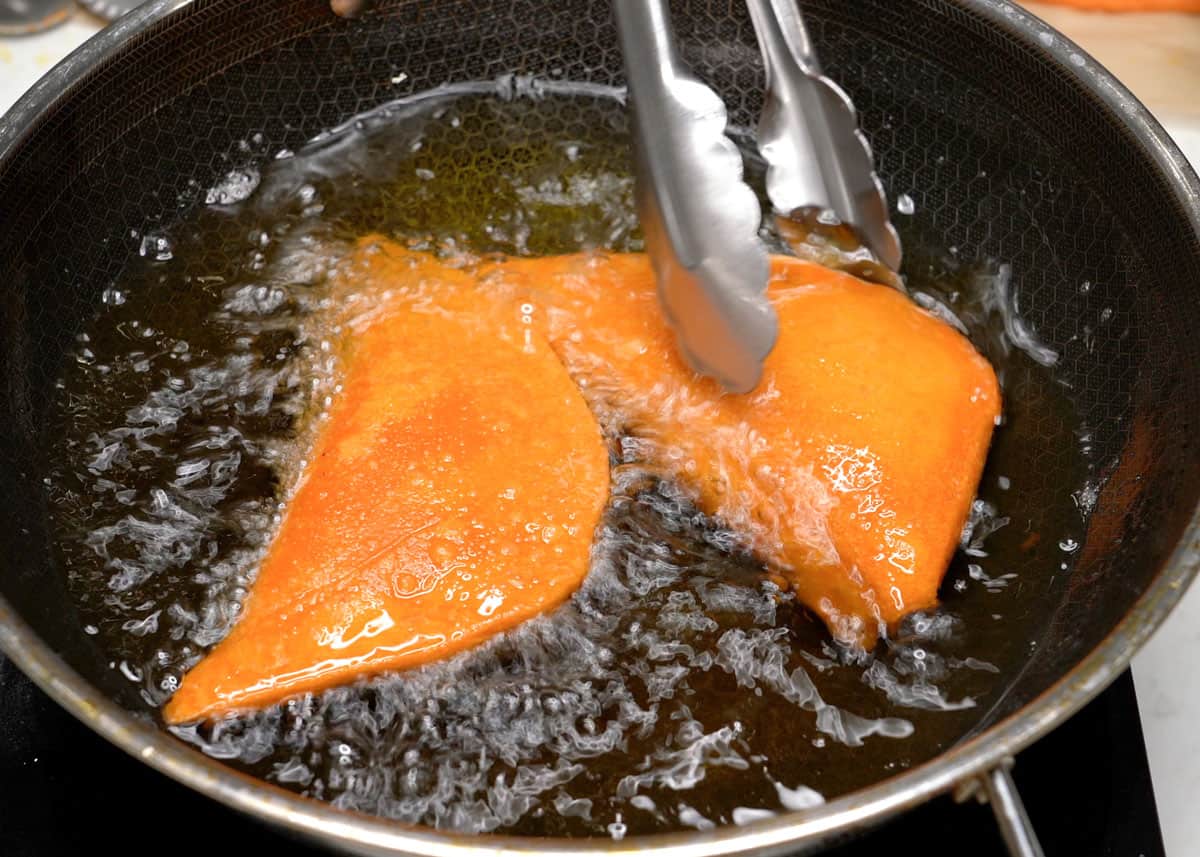
Remove from the oil and drain on a wire rack or paper towels.
Step 5: Serve
Serve hot and crispy with sukang Iloko, or any vinegar you like. The vinegar cuts through the fat from the longganisa and egg, so the empanada doesn't taste greasy or heavy.
Ketchup works too if you're in the mood for something a little sweet. Enjoy them right away while they're still crunchy.
Storage and Reheating
- Ilocos empanada is best eaten fresh while the shell is still crispy.
- Let leftovers cool completely, then store in an airtight container in the fridge for up to 2 days.
- To reheat, warm in a pan over medium heat or in an air fryer until hot and crispy again.
- Try to avoid the microwave - it softens the shell.
Helpful Tips
- Fry the empanadas right after shaping - rice flour dough dries out fast and can crack if it sits too long.
- Keep the oil at medium-high heat. Too cool = greasy. Too hot = browned outside before the egg sets.
- Small eggs fit best and cook more evenly inside the empanada.
- If the dough tears, just pinch it back together or patch with a small piece of dough - rustic is normal.
- Serve right away for the crispiest shell.
Recipe FAQs
The orange color comes from annatto (achuete), which is mixed into the rice flour dough.
Ilocos empanada uses a rice flour wrapper. The dough is made with rice flour and water, with annatto (achuete) for color. When fried, the thin wrapper becomes crispy.
The filling usually includes green papaya, mung bean sprouts, egg, and Ilocos longganisa.
No. Most empanadas use wheat dough and are baked. Ilocos empanada uses a rice flour wrapper and is fried until crispy.
Rice flour really makes the difference here-it's what gives the empanadas their signature crisp shell. All-purpose flour will work, but the wrapper will be softer.
That's normal with rice flour dough. Just pinch it back together or patch it with a small piece of dough. Rolling it between plastic or parchment paper helps prevent cracking.
As thin as you can roll it without tearing. Thinner gives a better texture, but it should still be sturdy enough to hold the filling and egg.
The oil was likely not hot enough. Medium-high heat helps the shell crisp quickly so it doesn't absorb excess oil.
Yes. Cooked empanadas can be frozen for up to 2 months. Reheat in the oven or air fryer to crisp the wrapper.
You can also freeze uncooked empanadas. Freeze them in a single layer, then fry straight from frozen, adding a few extra minutes to the cooking time.
Other Street Food Recipes You May Like

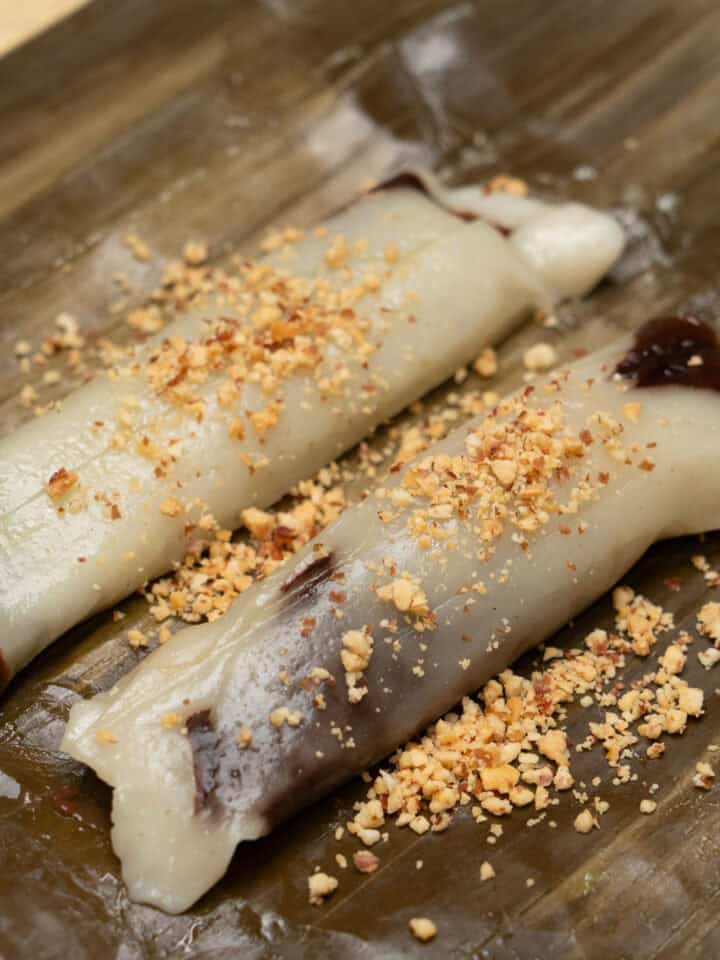
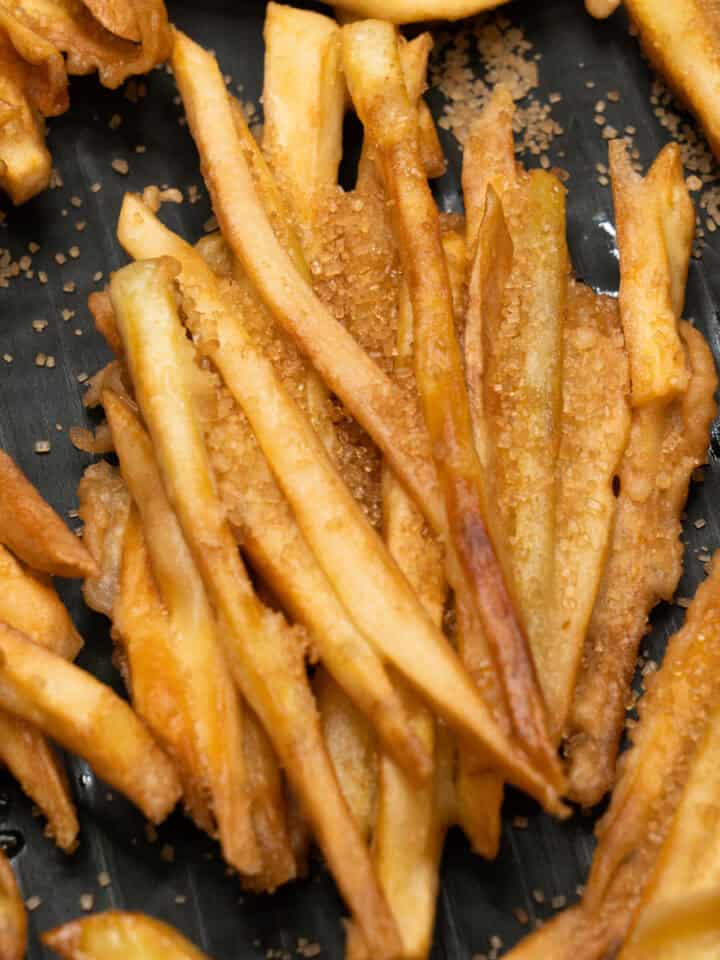
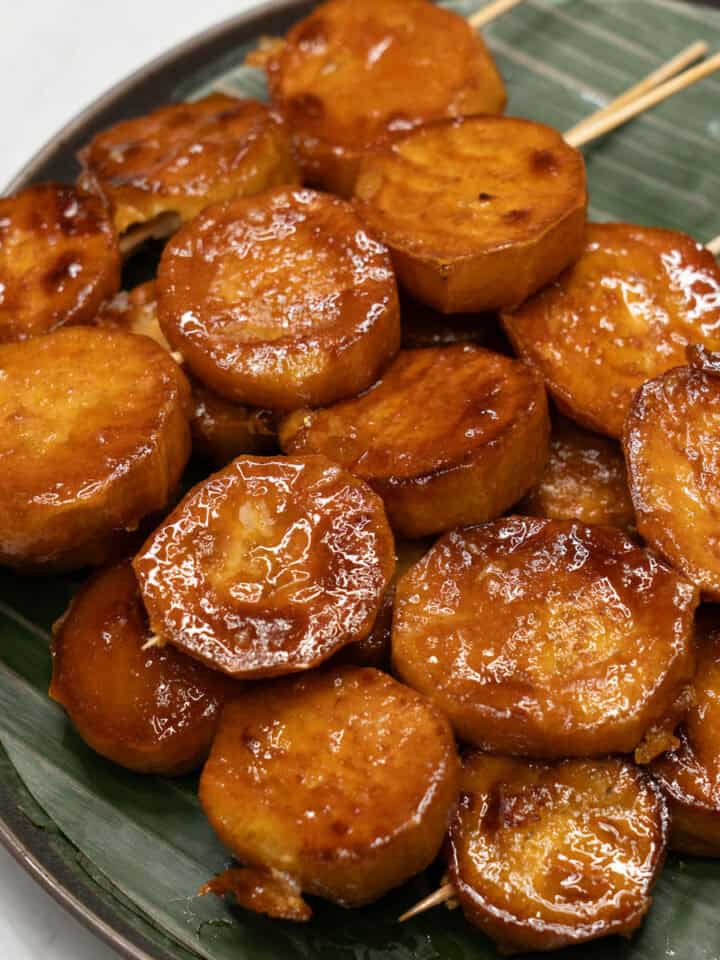

Did you make this recipe? I would love to know! Your feedback helps me make better recipes. Please rate, review, or comment below. Questions about this recipe are welcome, too!
Let's connect on Facebook, Instagram, Pinterest, TikTok, Twitter, and Youtube. Be sure to tag me when you try any of my recipes @recipesbynora!
📖 Recipe

Ilocos Empanada Recipe (Vigan-Style Filipino Empanada)
Equipment
- Saucepan or pot (for the dough)
- Skillet or pan (for the filling)
- Wide pan or wok (for frying)
Ingredients
For the dough:
- 2 cups rice flour (see note)
- 2 cups water
- 2 teaspoons achuete powder (see note)
- 1 teaspoon kosher salt sub: ½ teaspoon fine salt
- 2 tablespoons neutral oil
For the filling:
- 10 ounces Vigan longganisa about 6-8 pieces, casing removed (see note)
- 2 cups shredded green papaya (see note)
- 2 cloves garlic minced
- ½ onion finely chopped
- Salt and pepper to taste
- 6 small eggs (see note)
For frying:
- Neutral oil (see note)
Instructions
- Make the filling: Heat a little oil in a skillet over medium heat. Add longganisa (casing removed) and cook until browned, breaking into small pieces. Transfer to a bowl.In the same pan, add a bit more oil if needed. Sauté garlic and onion until soft.Add shredded papaya and cook just until tender-crisp. Season lightly with salt and pepper. Set aside.
- Make the dough: In a small saucepan, combine water, achuete powder, salt, and oil. Bring to a boil while stirring until everything dissolves.Add rice flour all at once. Stir immediately until a rough dough forms. Turn off heat.Cool until warm to the touch, then knead until smooth and evenly mixed.
- Shape and assemble: Divide dough into 6 portions. Roll each between plastic/parchment into a thin circle.Add filling slightly off-center. Make a small well and crack in 1 small egg.Fold into a half-moon. Press to seal and trim edges if needed. Re-knead scraps and reroll to make extra.
- Fry: Heat neutral oil for frying over medium-high heat (oil should sizzle right away with a tiny bit of dough).Fry empanadas until golden and crisp, about 3-5 minutes per side, flipping once. Drain on a wire rack or paper towels.
- Serve: Serve hot with sukang Iloko (or any vinegar) or ketchup. Best eaten right away.
Video
Notes
- Best eaten fresh while crispy.
- Store leftovers in the fridge (airtight) for up to 2 days.
- Reheat in a pan or air fryer until hot and crisp.
- Avoid the microwave - it softens the shell.
- Fry right after shaping (rice dough dries fast).
- Keep oil at medium-high heat.
- Small eggs fit best.
- Patch any cracks with extra dough - rustic is normal.


Mark says
Yum!!
Nora Reyes says
Thank you so much!