If you've ever stood in the baking aisle staring at rice flour and glutinous rice flour, wondering if they're the same thing - they're not.
In Filipino cooking, both are used all the time, especially for snacks and desserts. But they work very differently. Using the wrong one can completely change the texture of your recipe.
Here's a simple guide to help you understand the difference and when to use each one.
Jump to:
- What is Rice Flour?
- What is Glutinous Rice Flour?
- Rice Flour vs Glutinous Rice Flour: What's the Difference?
- When to Use Rice Flour
- When to Use Glutinous Rice Flour
- Where to Buy Rice Flour and Glutinous Rice Flour
- How to Store Rice Flour and Glutinous Rice Flour
- Filipino Recipes That Use Rice Flour
- Filipino Snacks and Desserts That Use Glutinous Rice Flour
- FAQs About Rice Flour and Glutinous Rice Flour
- More Filipino Food Guide
- 💬 Comments
What is Rice Flour?
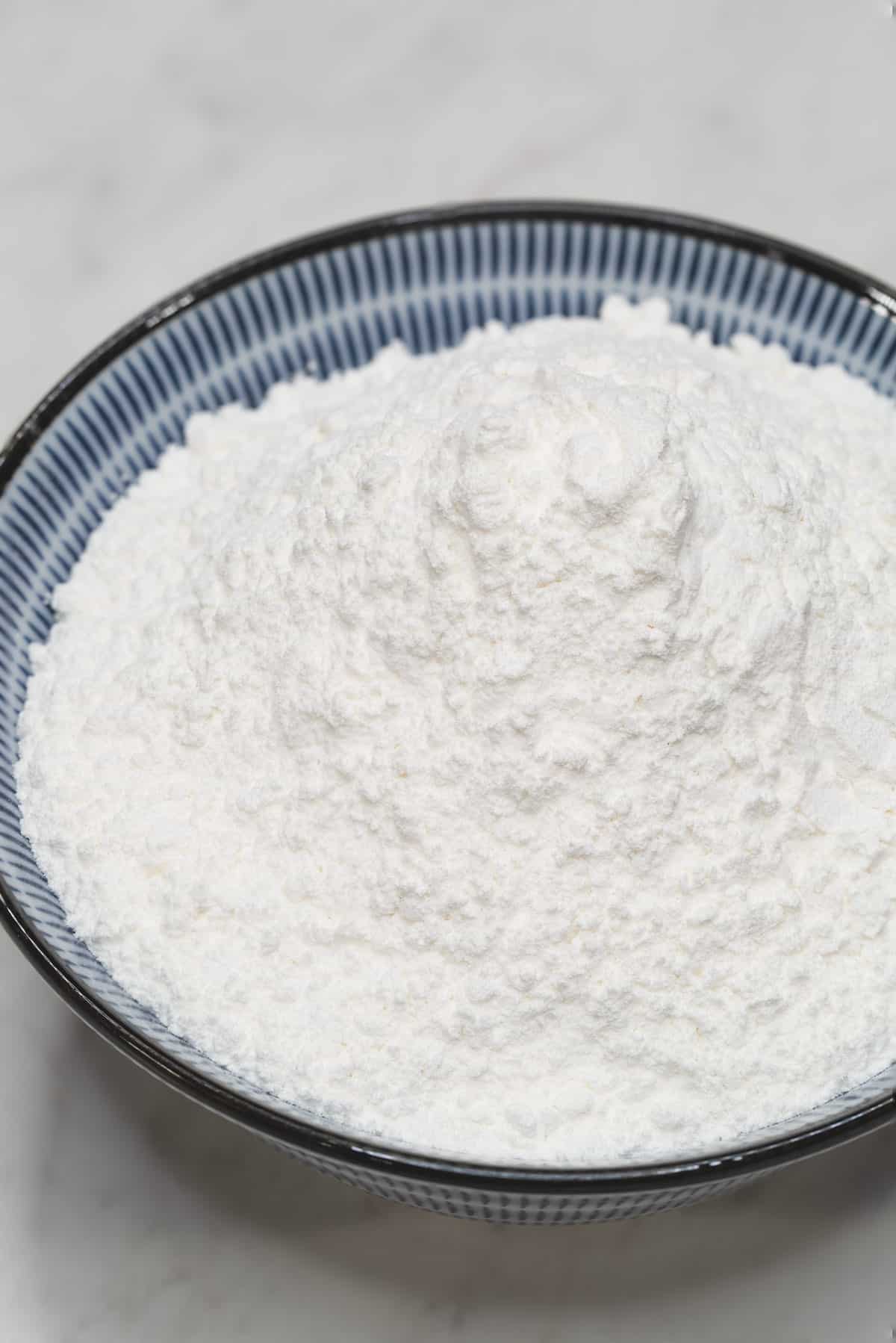
Rice flour is simply rice that has been ground into a fine powder. It is naturally gluten-free.
It's usually made from regular white rice, though you can also find brown rice flour. The texture is soft and powdery, similar to other flours, but it behaves differently when cooked.
When fried, it gives a light and crisp texture. When baked, it creates a soft but slightly firm crumb - not chewy.
Rice flour has a neutral flavor, so it takes on the taste of whatever you mix it with.

What is Glutinous Rice Flour?
Glutinous rice flour is made from sticky rice, also known as malagkit in Filipino.
Despite the name, it does not contain gluten. The word "glutinous" refers to the sticky texture it creates when cooked - not gluten.
Unlike regular rice flour, glutinous rice flour turns soft, sticky, and chewy when heated. If you've ever had Japanese mochi, that's the kind of texture this flour creates.
It doesn't really add flavor. Its main purpose is texture. If you want something chewy and sticky, this is the flour to use.
Rice Flour vs Glutinous Rice Flour: What's the Difference?
The main difference comes down to texture.
Rice flour stays light and slightly firm when cooked. It works well for crisp batters and baked rice cakes that aren't chewy.
Glutinous rice flour turns sticky and chewy when heated. It's used when you want that soft, stretchy texture.
They may look similar in the package, but they behave very differently in recipes. They are not interchangeable.
Here's a simple breakdown:
| Rice Flour | Glutinous Rice Flour | |
|---|---|---|
| Made from | Regular rice | Sticky rice (malagkit) |
| Texture | Light and slightly firm; crisp when fried | Soft, sticky, and chewy |
| Use | Batters, rice cakes, and thickening sauces | Chewy rice cakes and desserts |
| Gluten-free | Yes | Yes |

When to Use Rice Flour
Use rice flour when you want a light texture or a crisp coating.
It's best for:
- Batters for frying
- Soft rice cakes that shouldn't be chewy
- Thickening sauces and stews
When fried, rice flour turns crisp and light. When baked, it gives structure without making the texture sticky or stretchy.
If you're not looking for chewiness, this is the one to grab.

When to Use Glutinous Rice Flour
Use glutinous rice flour when you want that soft, chewy, sticky texture.
It's best for:
- Rice cakes that need stretch and chew
- Desserts that should hold together and feel soft and sticky
When cooked, it turns stretchy and tender - like mochi.
If the recipe is meant to be chewy, this is the flour you need.

Where to Buy Rice Flour and Glutinous Rice Flour
Both are easy to find and are usually placed side by side, which makes them easy to mix up.
You can find them:
- In the baking aisle of large supermarkets
- At Asian grocery stores
- Online
They may be labeled as "Rice Flour," "Glutinous Rice Flour," or sometimes "Sweet Rice Flour."
The packaging can look very similar, so always double-check the label before buying.
How to Store Rice Flour and Glutinous Rice Flour
Store both flours in an airtight container in a cool, dry place.
For longer storage, you can keep them in the refrigerator or freezer to prevent moisture and extend shelf life.
If the flour smells off or looks clumpy from moisture, it's best to discard it.
Filipino Recipes That Use Rice Flour
Use rice flour when you want something light and not chewy. It can make food crisp when fried, help rice cakes hold their shape, and even thicken sauces.
It works in both savory and sweet dishes.
Here's where it's commonly used in Filipino cooking:
- For coating: Rice flour makes a thin, crisp batter. It's used for maruya, kamote fritters, or ukoy.
- As a thickener: It can thicken sauces and stews, similar to cornstarch. It's used in kare-kare and some gravies.
- For rice cakes: It helps rice cakes hold their shape and keeps the texture soft, not chewy. It's used in putong bigas and traditional bibingka made with rice flour.
- For noodles: Rice flour is used to make rice noodles such as pancit palabok and pancit bihon.

Filipino Snacks and Desserts That Use Glutinous Rice Flour
Glutinous rice flour is used when the texture needs to be chewy and sticky.
Some examples include:
- Palitaw: Soft, chewy rice cakes coated with coconut, sugar, and sesame seeds.
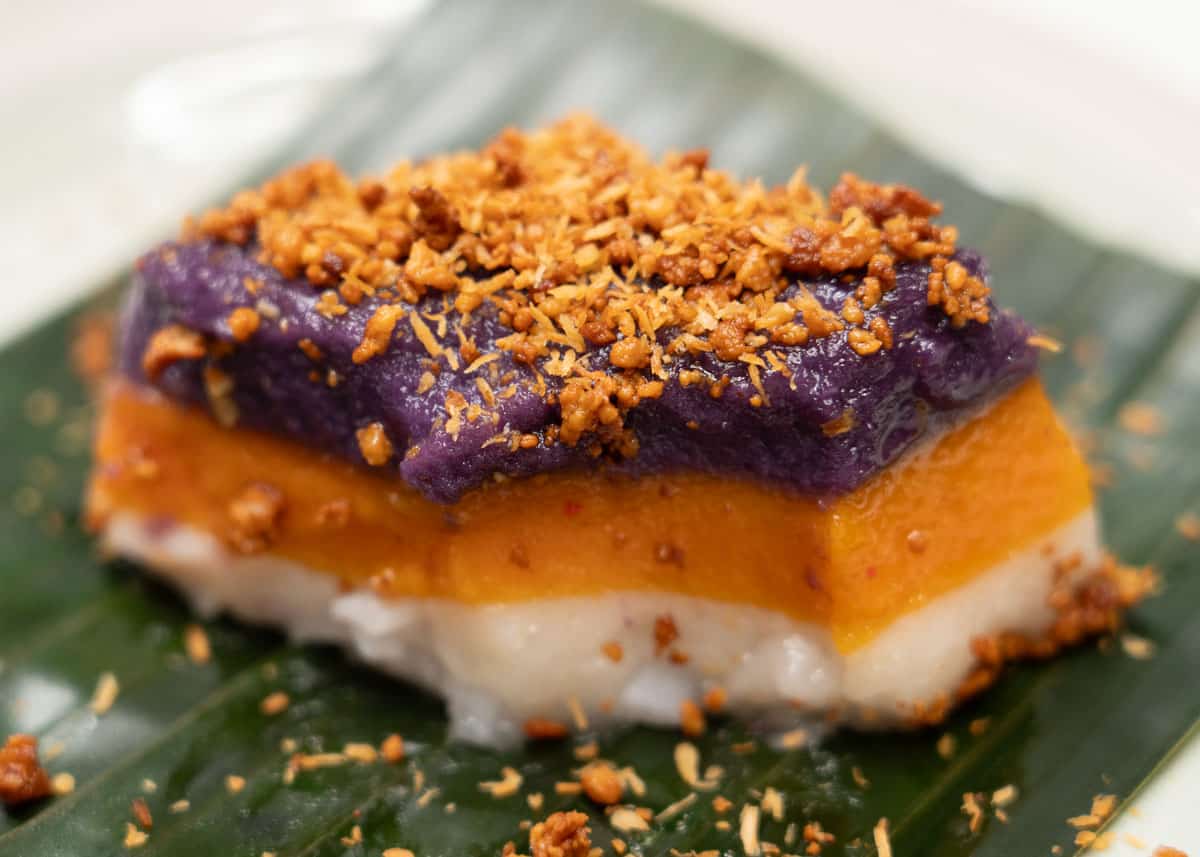
- Sapin-sapin: A layered, colorful rice cake made with glutinous rice flour and coconut milk.
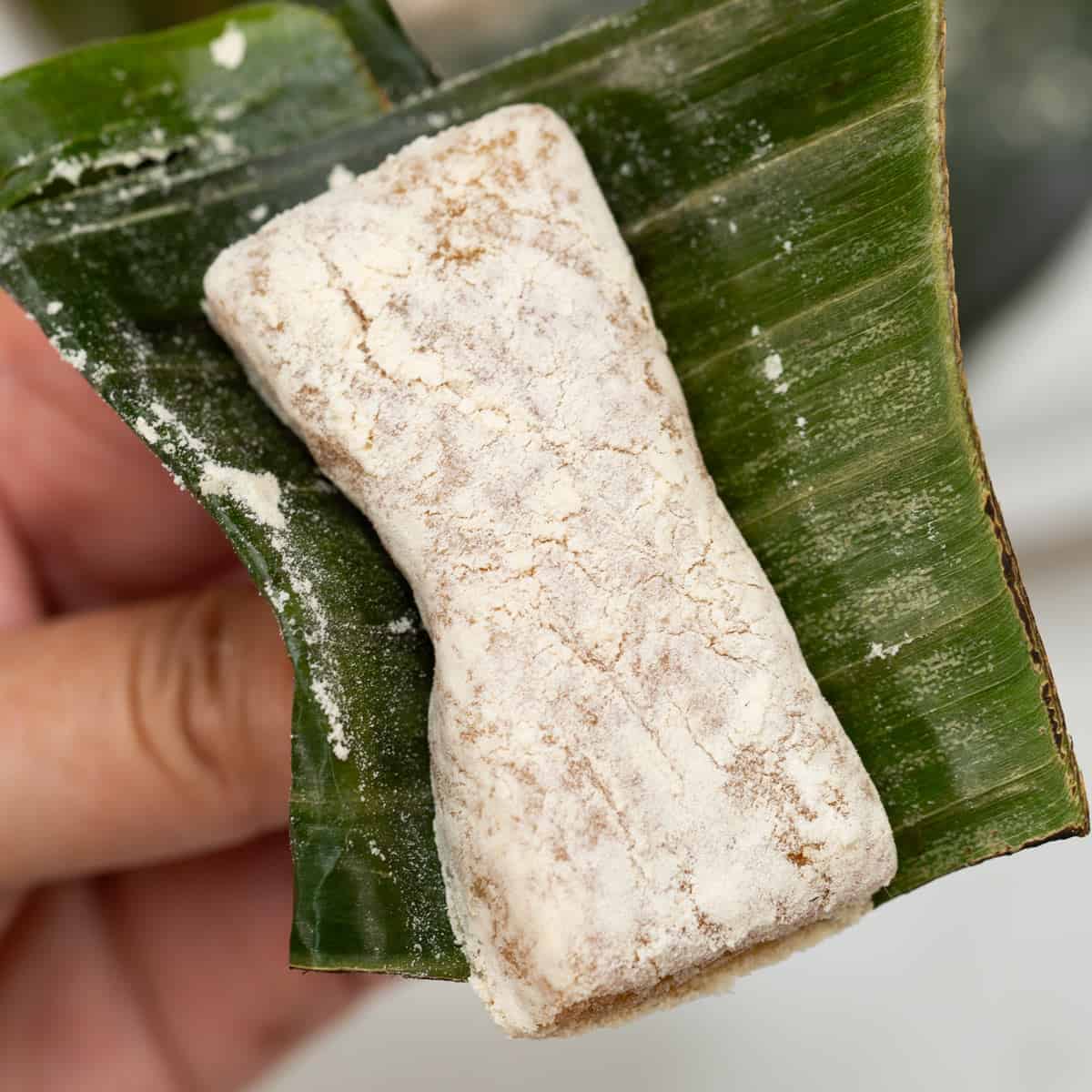
- Espasol: Cylindrical rice cakes rolled in toasted rice flour.
- Ube kalamay: Thick, sticky rice cake cooked with coconut milk and ube.
- Ginataang bilo-bilo: Dessert soup with chewy rice balls made from glutinous rice flour.
- Carioca: Fried chewy balls made with sweet rice flour and cassava.
- Tikoy: Chewy rice cakes often served during special occasions.
- Suman moron: Steamed chocolate sticky rice cake from Leyte.
FAQs About Rice Flour and Glutinous Rice Flour
Yes. Rice flour is naturally gluten-free.
Yes. Despite the name, it does not contain gluten.
No. Rice flour stays light and firm when cooked, while glutinous rice flour turns sticky and chewy.
No. They create very different textures and are not interchangeable.
More Filipino Food Guide


Did you like this post? I would love to know! Your feedback helps me make better recipes. Please rate, review, or comment below. Questions about this post are welcome, too!
Let's connect on Facebook, Instagram, Pinterest, TikTok, Twitter, and Youtube. Be sure to tag me when you try any of my recipes @recipesbynora!



Noah says
Thank you for this helpful post.
Nora Reyes says
Hi Noah, It's always my pleasure! =)