
If you've ever searched for Filipino adobo, you probably noticed something right away - not everyone makes it the same.
One adobo might be dark and saucy. Another is pale with no soy sauce. Some versions add coconut milk.
Others are cooked down until almost dry and crispy. And a few even skip vinegar completely (which surprises a lot of people).
That's because adobo isn't just one recipe - it's a whole family of dishes.
Let me walk you through the different types of Filipino adobo you'll see (plus a few you might not expect).
Jump to:
What is Filipino Adobo?
Filipino adobo is a cooking method as much as it is a dish.
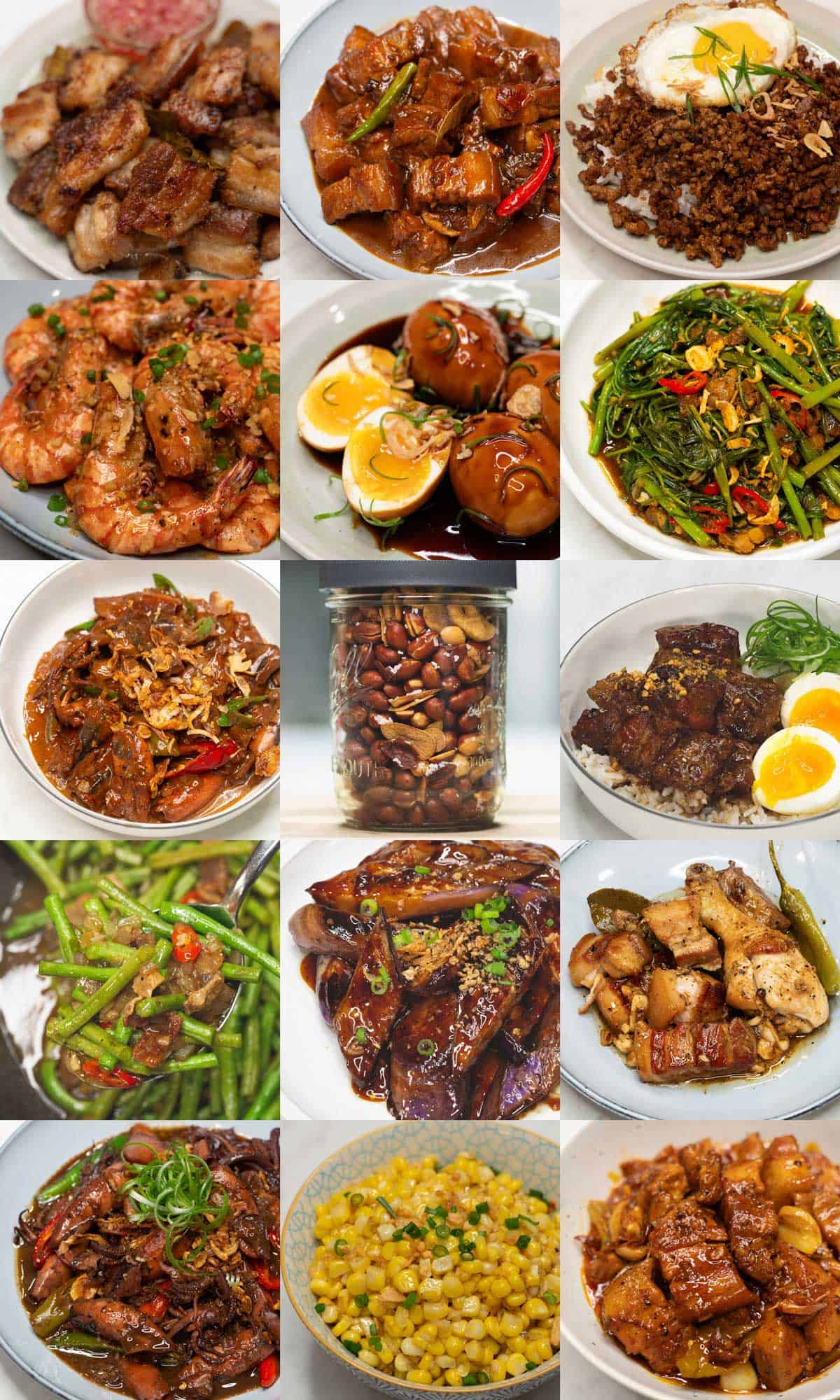
Most people know it as pork or chicken that's savory, tangy, and garlicky - but not always. That's because adobo can be made with meat, seafood, or vegetables.
Some versions use soy sauce, others skip it. Some add coconut milk and stay saucy, while others are cooked until almost dry. And some barely taste vinegary at all.
Every region - and every family - makes it a little differently. So when Filipinos say "adobo," they don't mean one exact dish.
It's adjusted based on taste, region, tradition, and whatever is available at home. That's why Filipino adobo comes in so many forms.
Quick List: Types of Filipino Adobo
- Classic meat adobo
- Creamy adobo
- Seafood adobo
- Vegetable adobo
- Dry adobo and adobo flakes
- Regional adobo styles
- Other adobo-style dishes
Different Types of Filipino Adobo
If you ask ten people how they make adobo, you'll probably get ten different answers.
Depending on the region (and the cook) adobo can look and taste very different.
Below are the most common types of Filipino adobo you'll see - starting with the classic version most people know.
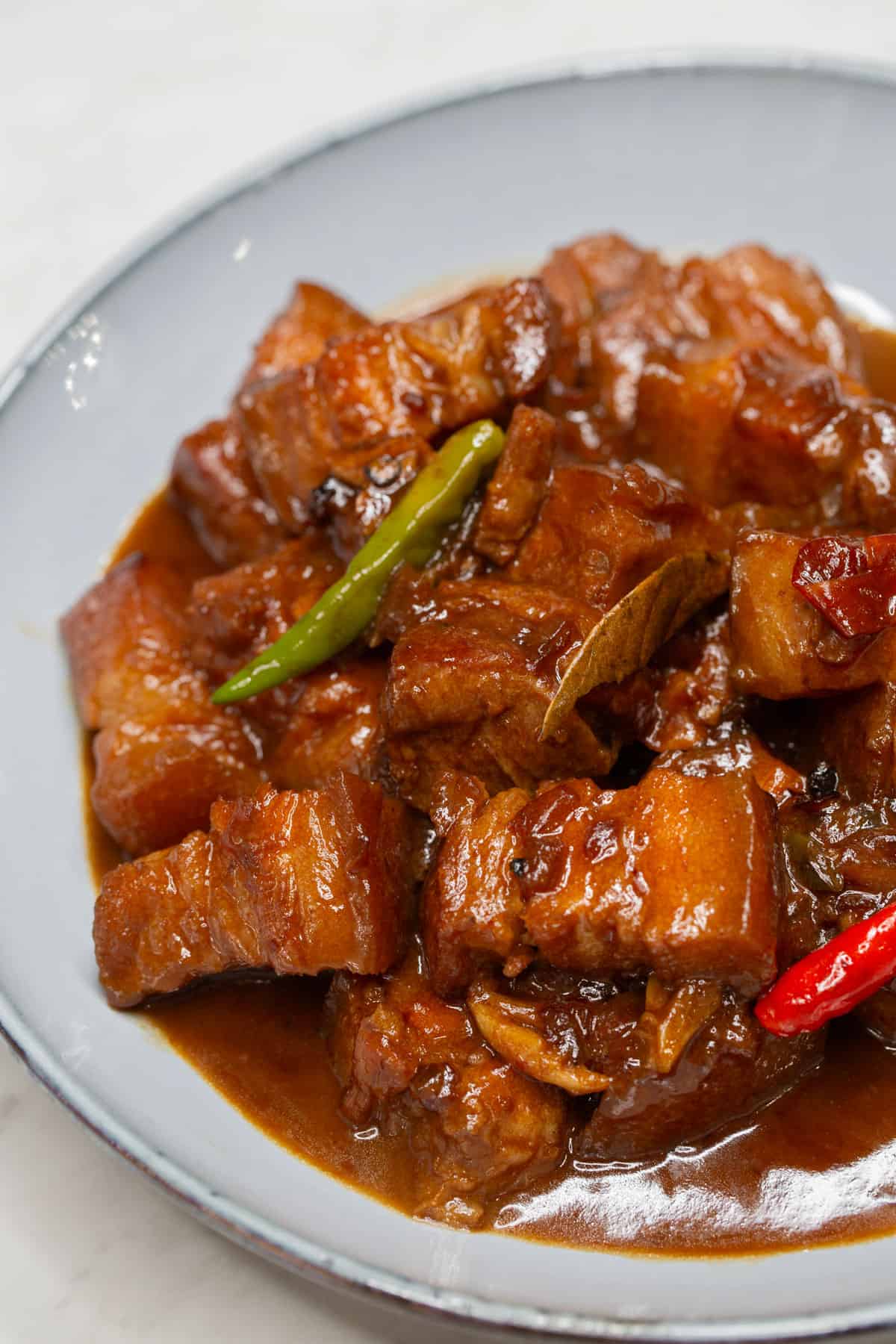
Classic Meat Adobo

This is the adobo most people think of first.
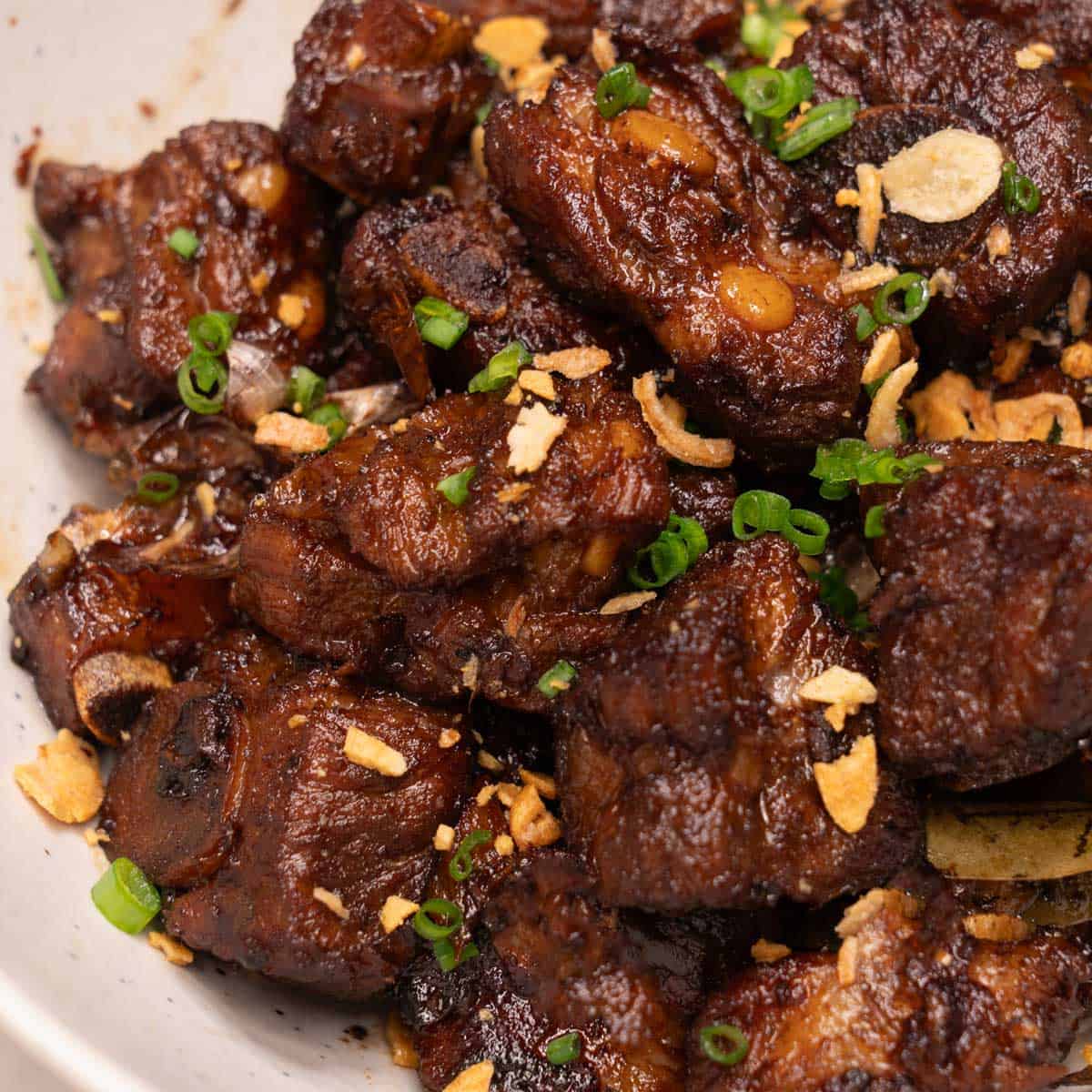
The meat is slowly cooked until tender, with vinegar, soy sauce, garlic, bay leaves, and peppercorns.
Some cooks add a little sugar. Some keep it saucy.
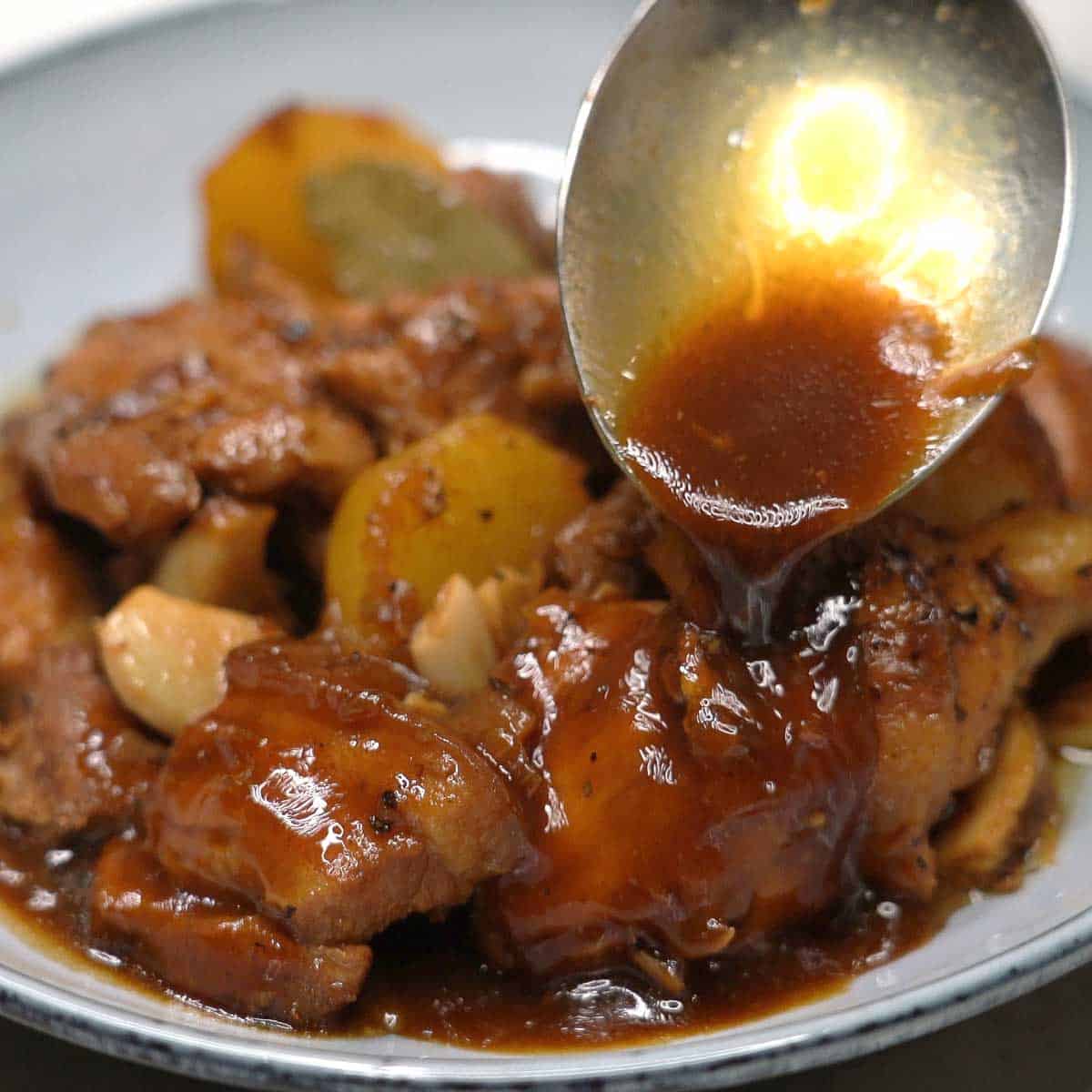
Others cook it down until the meat starts to brown and the sauce thickens. You'll also find versions made with beef.
Every family has their own way of making it. Some like it more vinegary. Others like it saltier or richer.
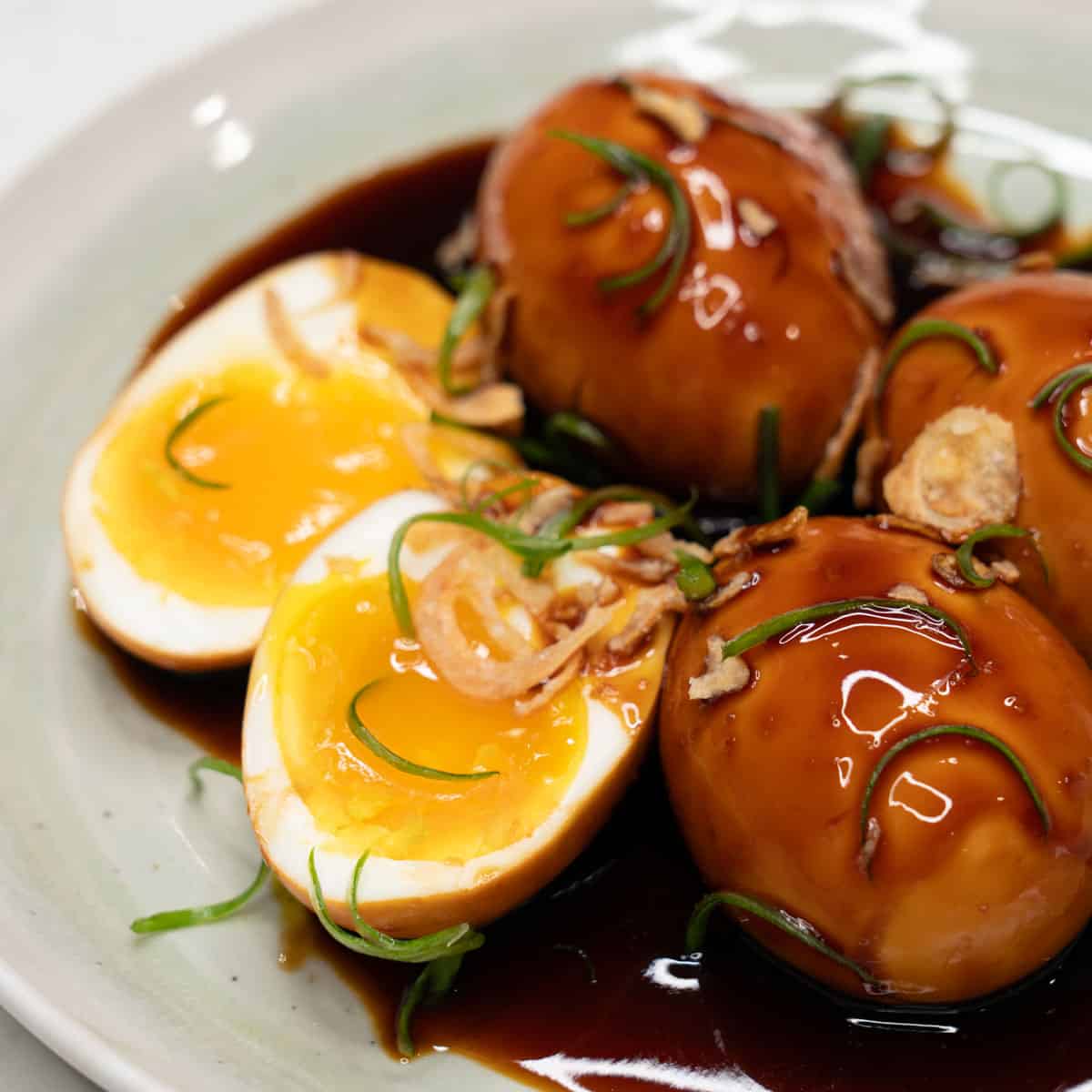
You'll also see boiled eggs added to classic adobo, or sometimes cooked on their own in adobo sauce (adobong itlog).
There's no single "correct" version - just different home styles passed down over time.
Creamy Adobo (Adobo sa Gata)
- Adobo sa gata
- Adobong manok sa gata
- Adobong pusit sa gata
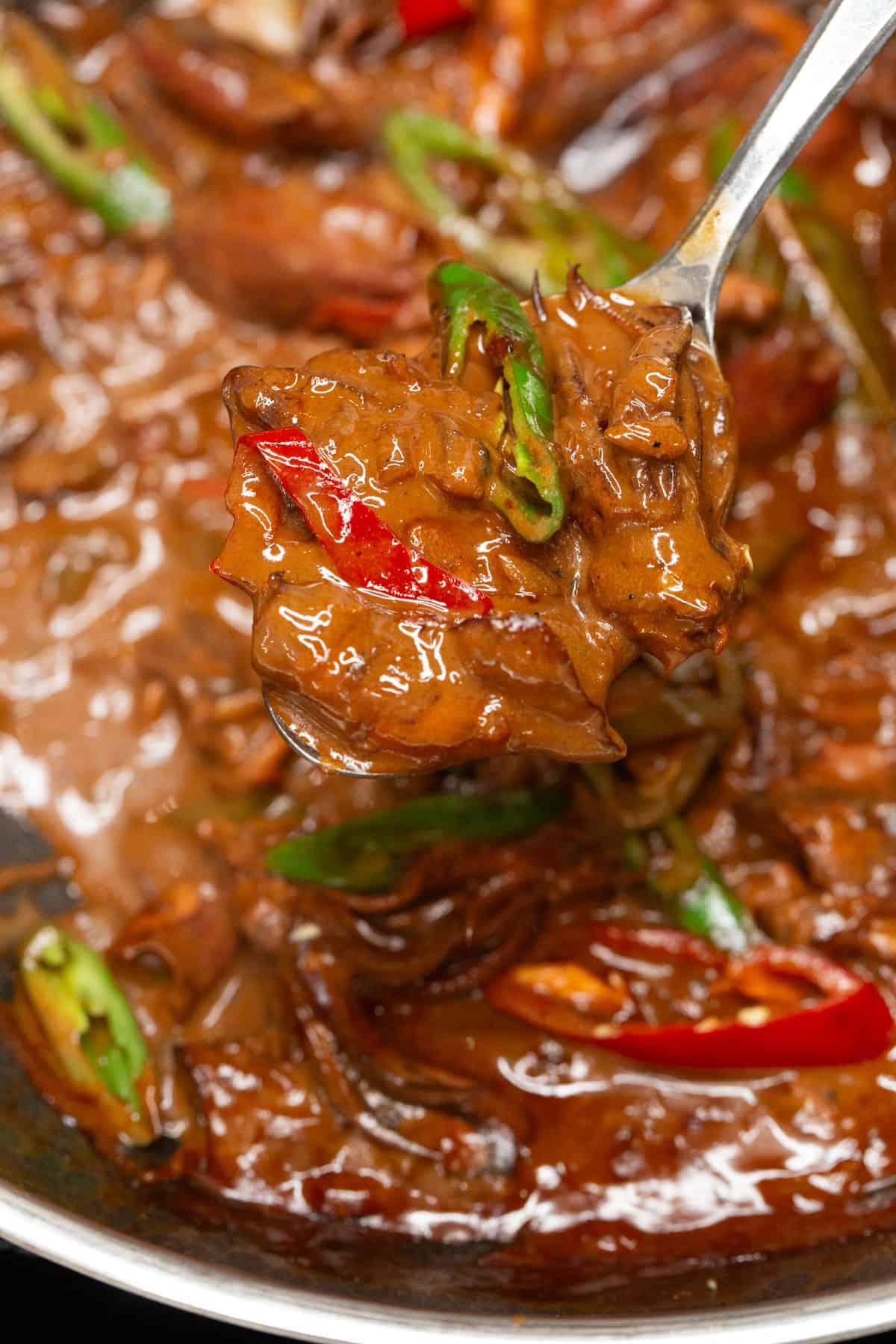
Coconut milk makes the sauce creamier and less sharp from the vinegar. Some cooks also add chilies for heat.
Adobo sa gata is often associated with Bicol, where coconut milk is used a lot in cooking. Since I'm from Bicol, this is a version I grew up with.
Seafood Adobo
- Adobong pusit (squid adobo)
- Adobong hipon (shrimp adobo)
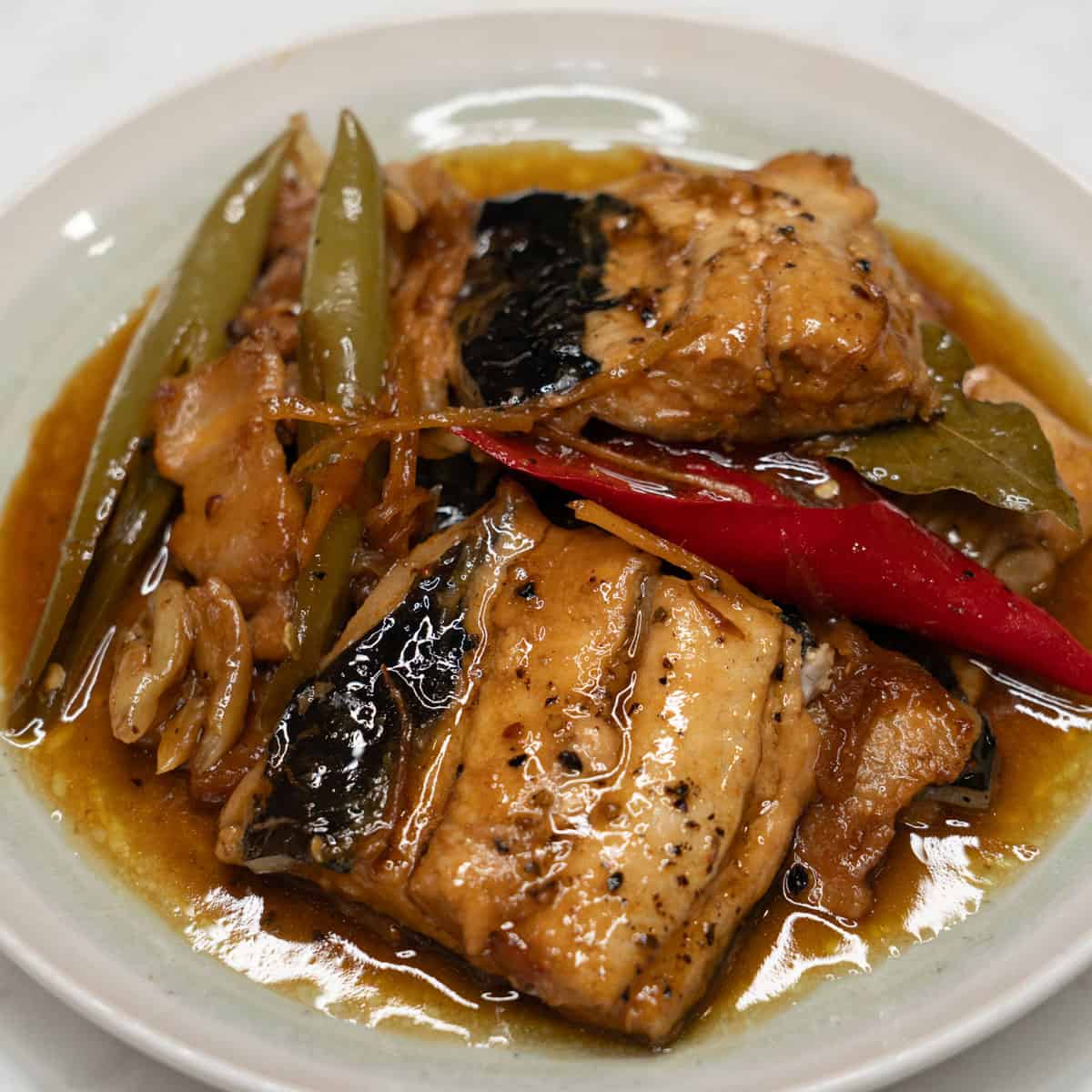
- Fish adobo (often bangus/milkfish or tilapia)
- Adobong tahong (mussels adobo)
- Crab adobo (less common, but made in coastal areas)
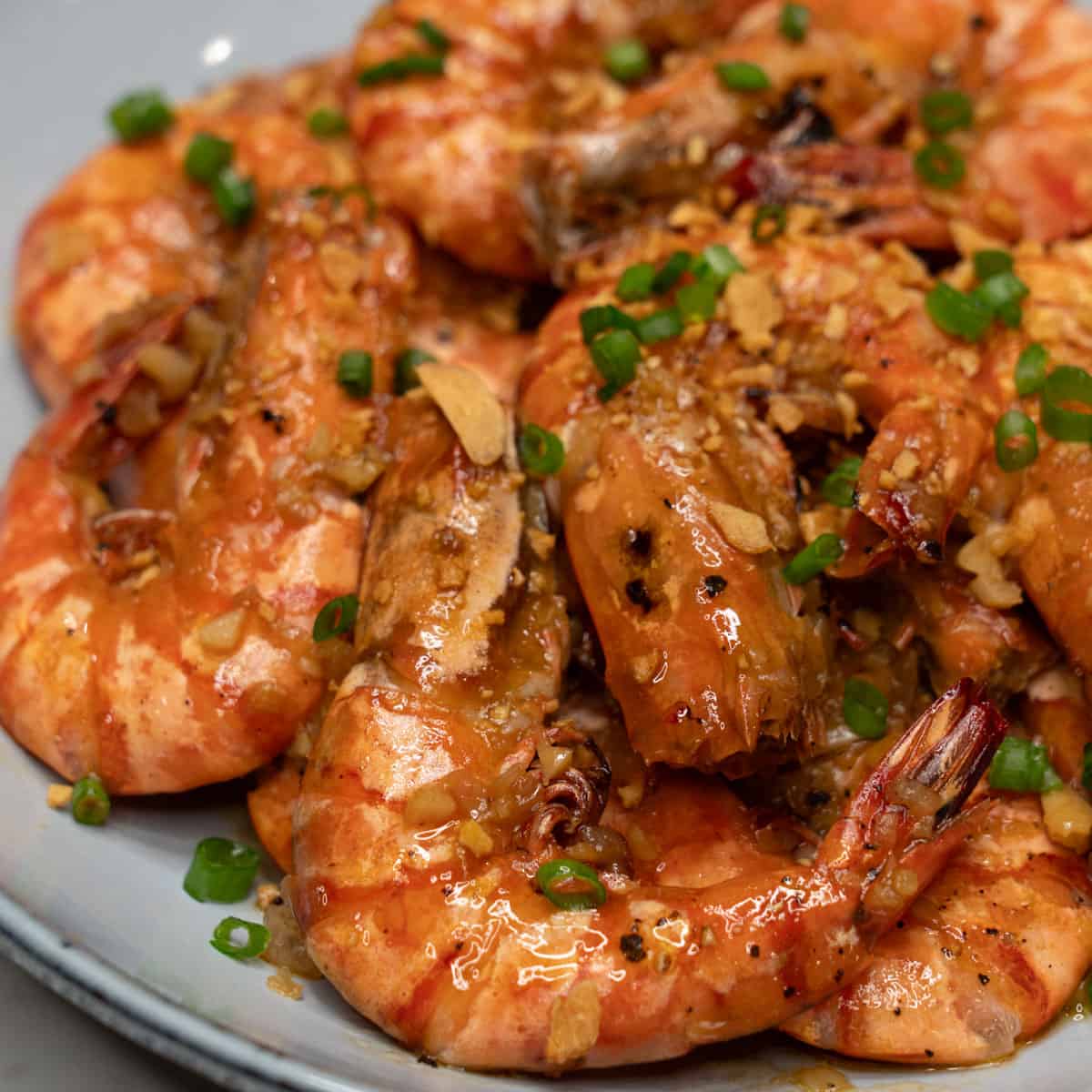
Seafood adobo uses the same basic adobo flavors, but everything cooks much faster than meat.
Adobong pusit is the most common. Squid is cooked briefly, sometimes with its ink for a darker sauce.
Some cooks keep it saucy, while others cook it down until almost dry.
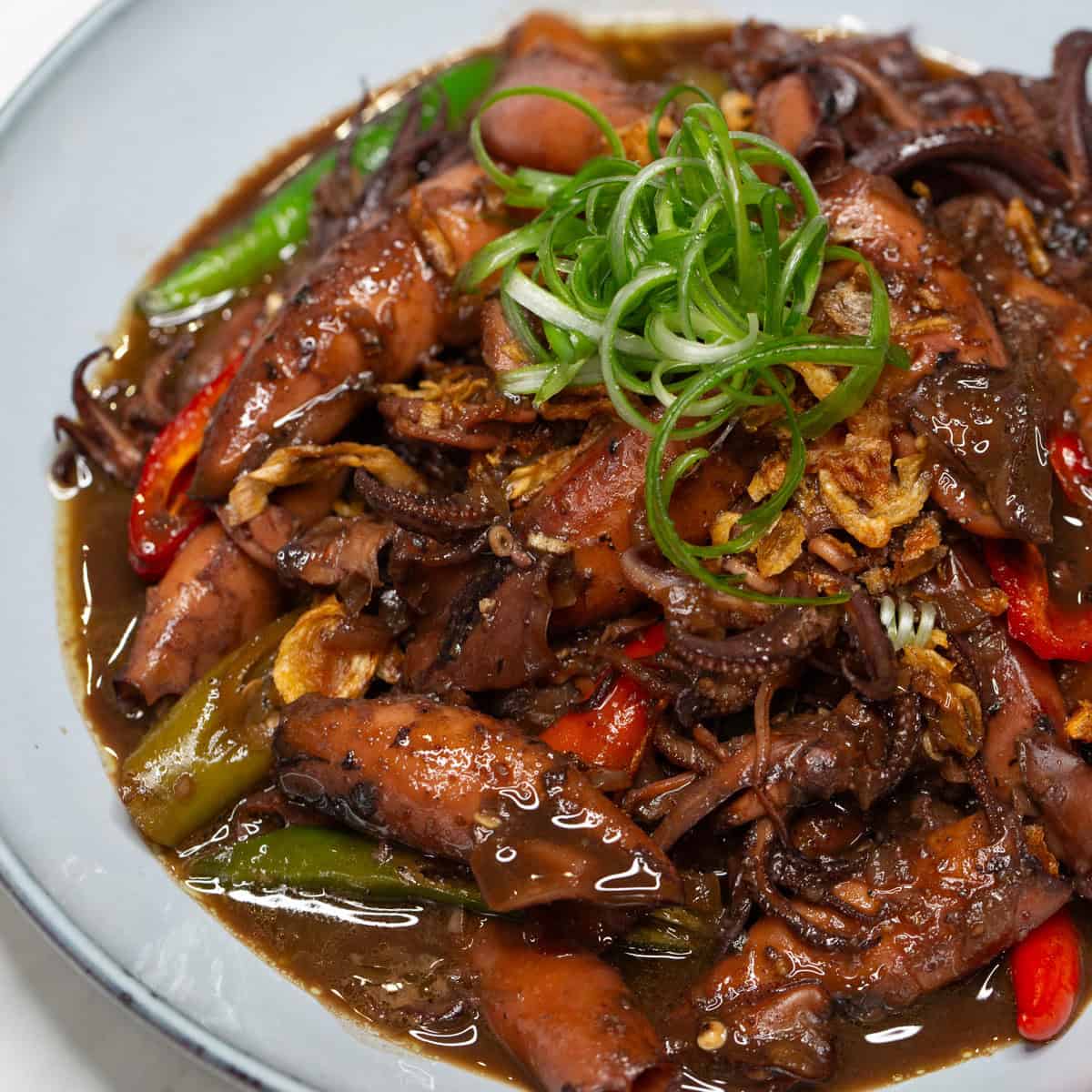
Shrimp adobo and fish adobo (like adobong bangus) are lighter and quicker to make. Because seafood cooks fast, these versions don't need long simmering and usually taste fresher.
You'll also see adobong tahong (mussels adobo), especially in coastal areas, and occasionally crab adobo.
Vegetable Adobo
- Adobong kangkong (water spinach)
- Adobong sitaw (yardlong beans)
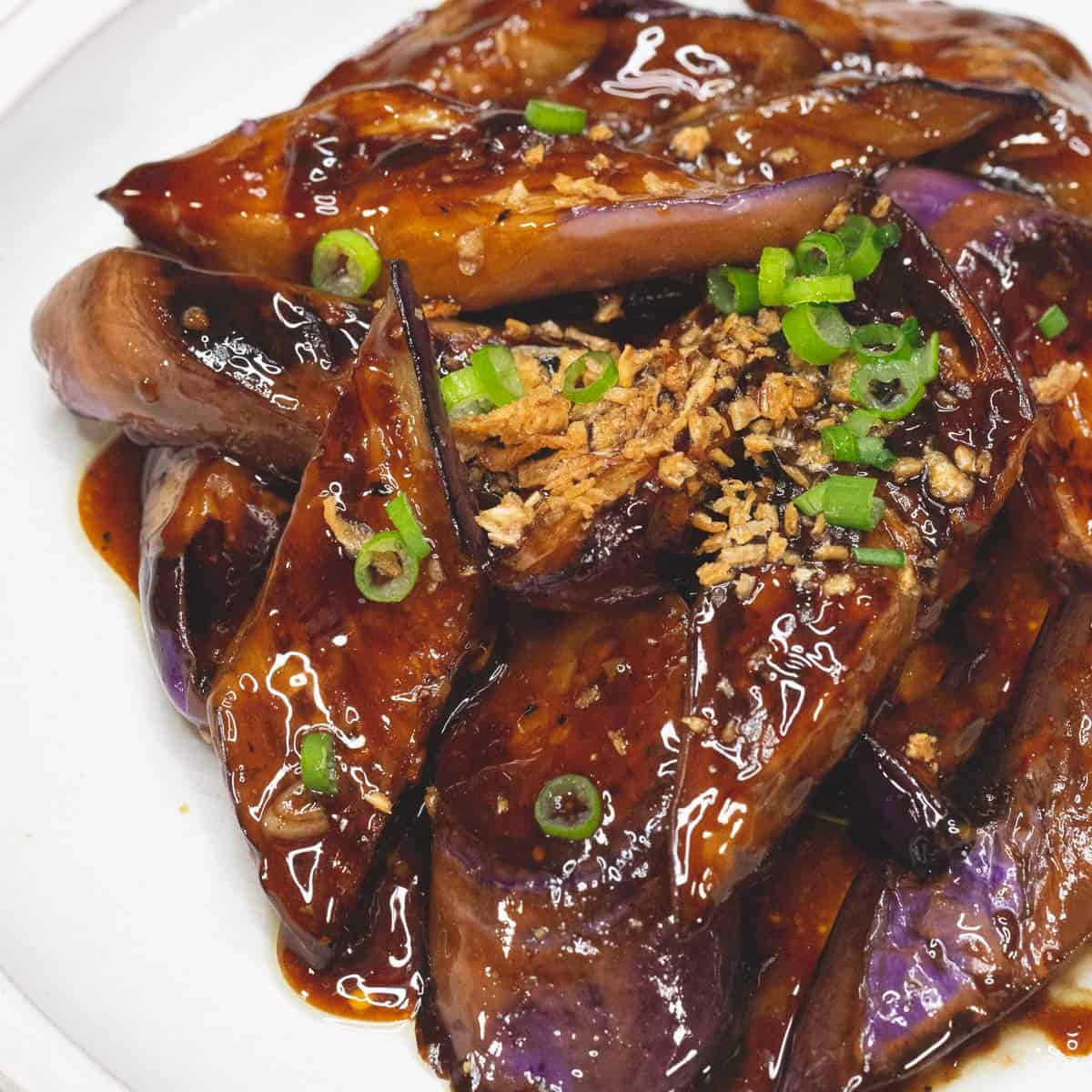
- Adobong talong (eggplant)
- Adobong ampalaya (bitter melon)
- Adobong okra
- Adobong pechay (bok choy)
- Adobong repolyo (cabbage)
- Adobong puso ng saging (banana blossom)
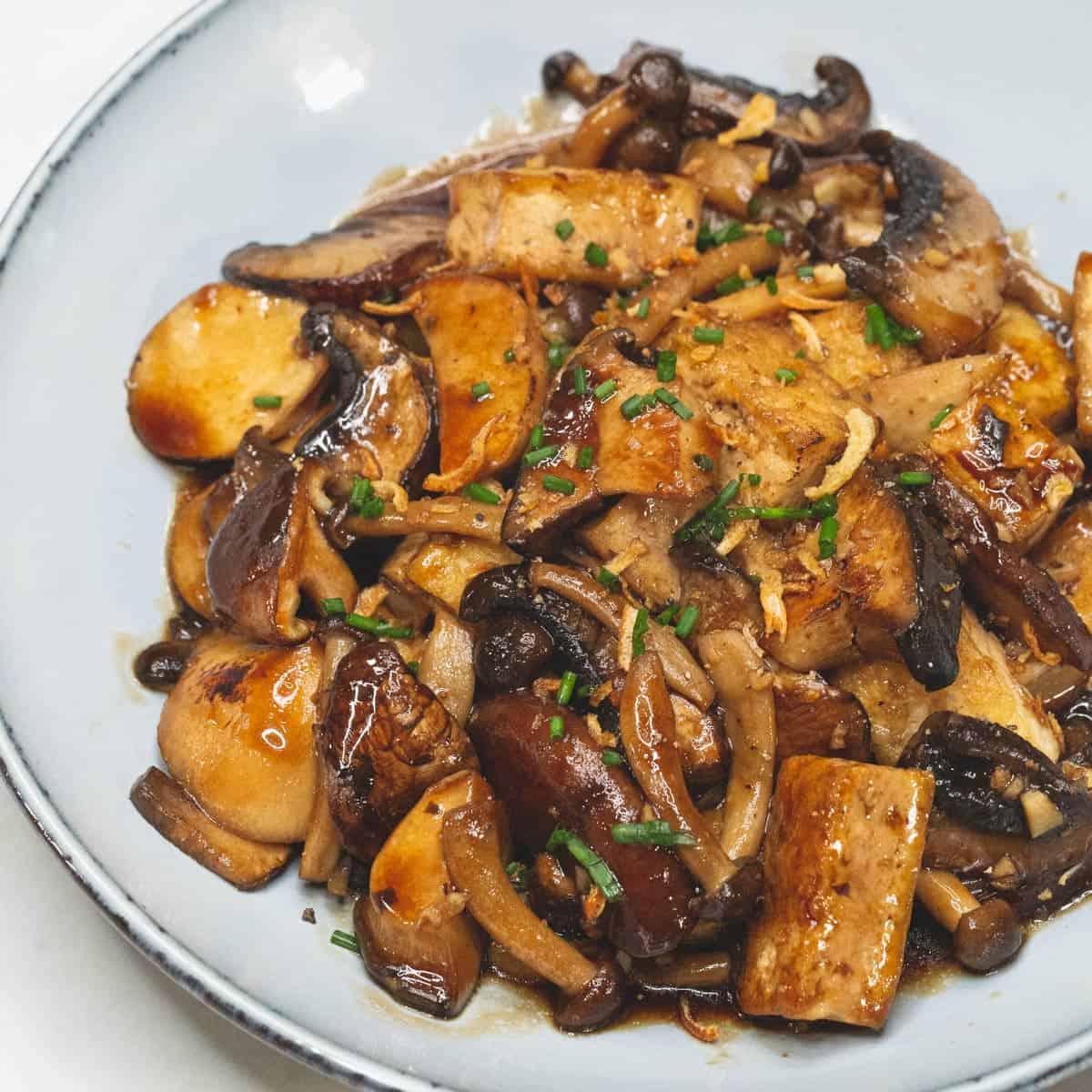
- Adobong kabute (mushrooms)
- Tofu Adobo

These are usually quick-cooking, everyday dishes. Some are served as a side, others as a simple main with rice.
Banana blossom and mushrooms are common in meatless versions because they have more bite, while leafy greens like kangkong cook in just minutes.
Dry or Crispy Adobo
- Adobong tuyo (dried pork adobo)
- Adobo flakes (usually pork or chicken)
- Adobo sa asin (salt adobo)
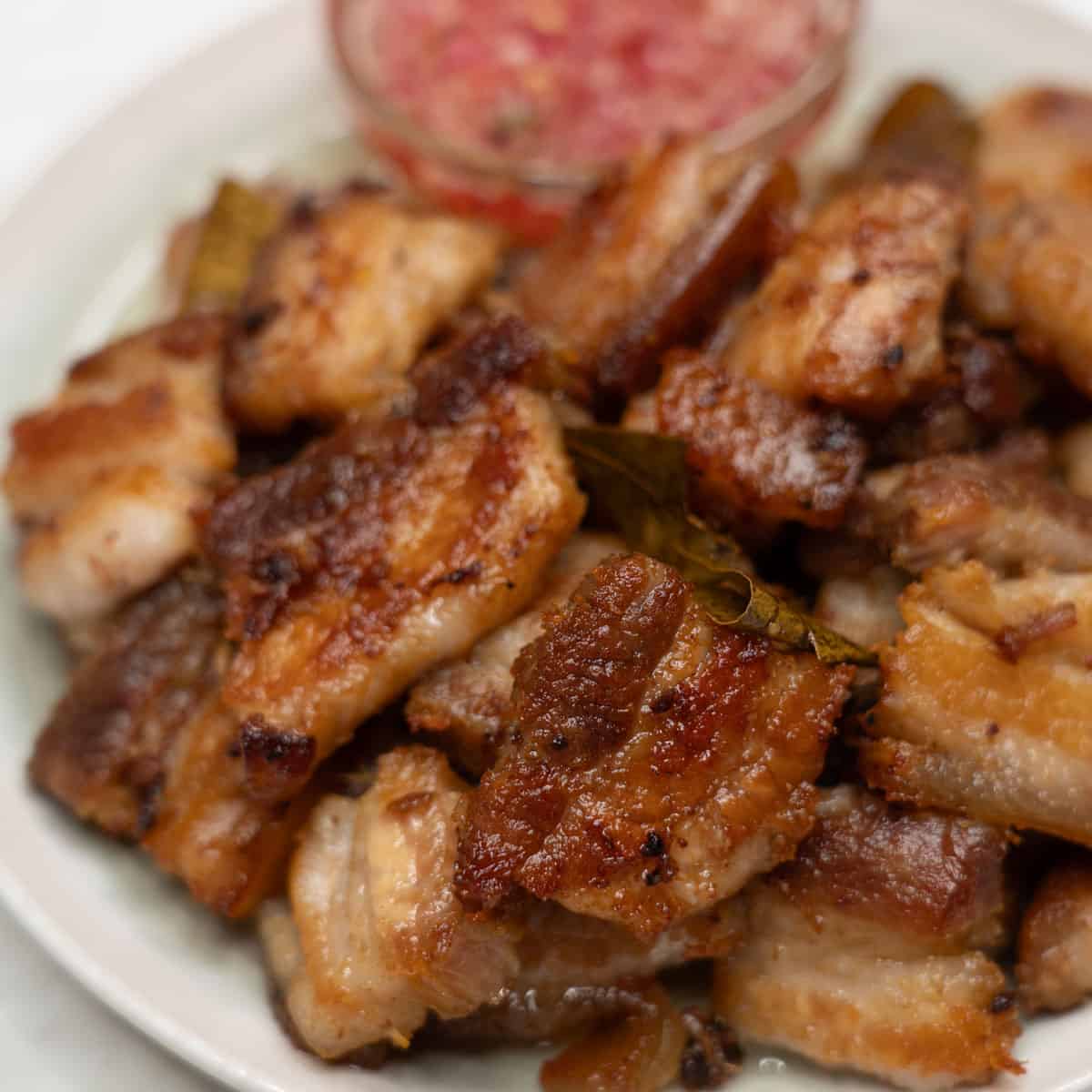
Not all adobo is meant to be saucy.
Some versions are cooked longer until most of the liquid is gone and the meat starts to brown. The flavor gets stronger once the sauce reduces.
Adobo flakes start the same way - cooked adobo is shredded, then pan-fried until crispy.
Adobo sa asin also fits here. Instead of soy sauce, it uses vinegar, garlic, and salt, and it's usually cooked down until dry and crispy.
You'll also see fried chicken adobo online. This isn't traditional - it's a newer twist where adobo chicken is fried for extra crunch.
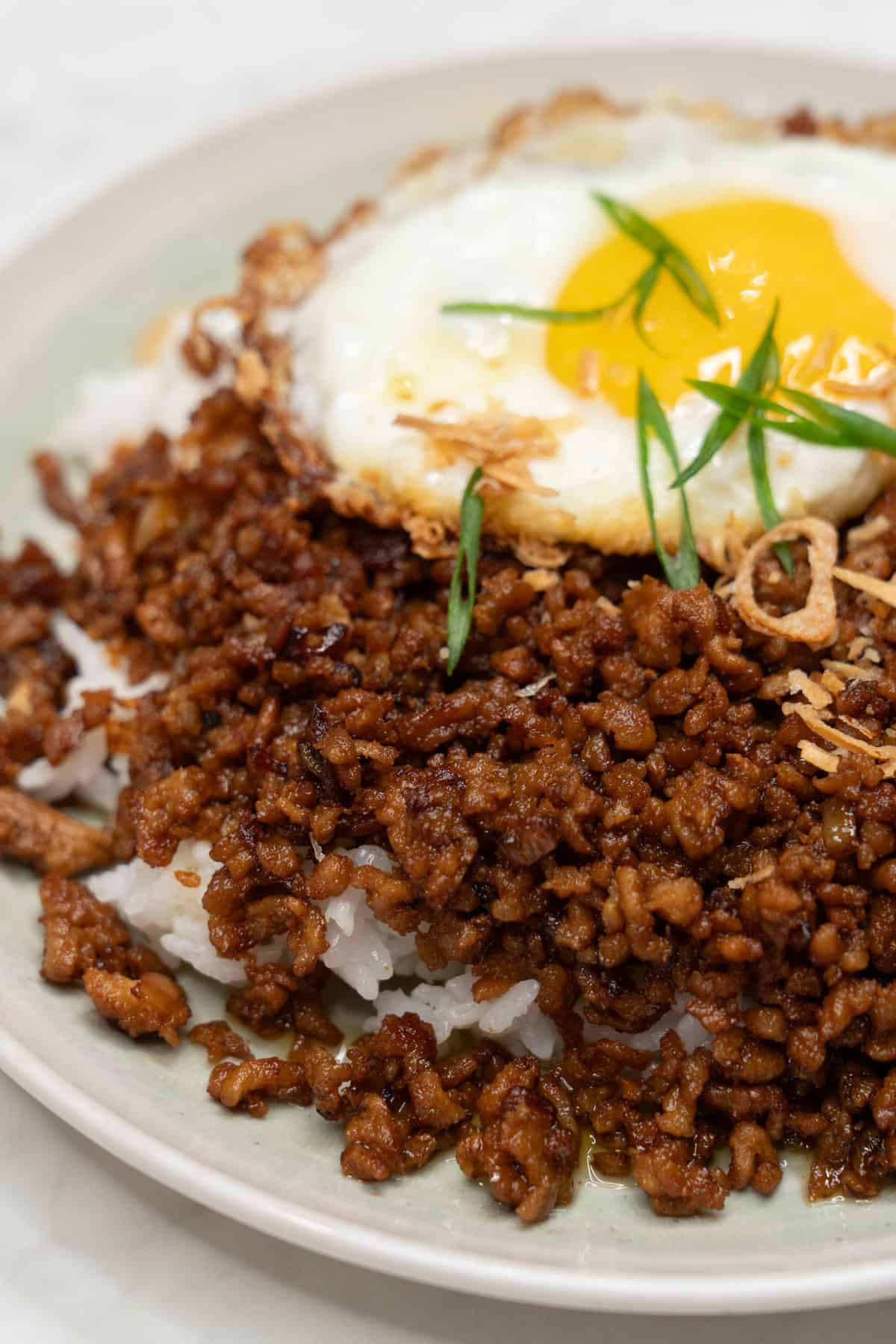
You might also see adobong giniling with ground meat cooked in adobo sauce for a quicker, simpler version.
Regional Adobo Styles
Adobo can taste slightly different depending on the area. Some regions prefer more garlic, some use less soy sauce, and some cook it drier.
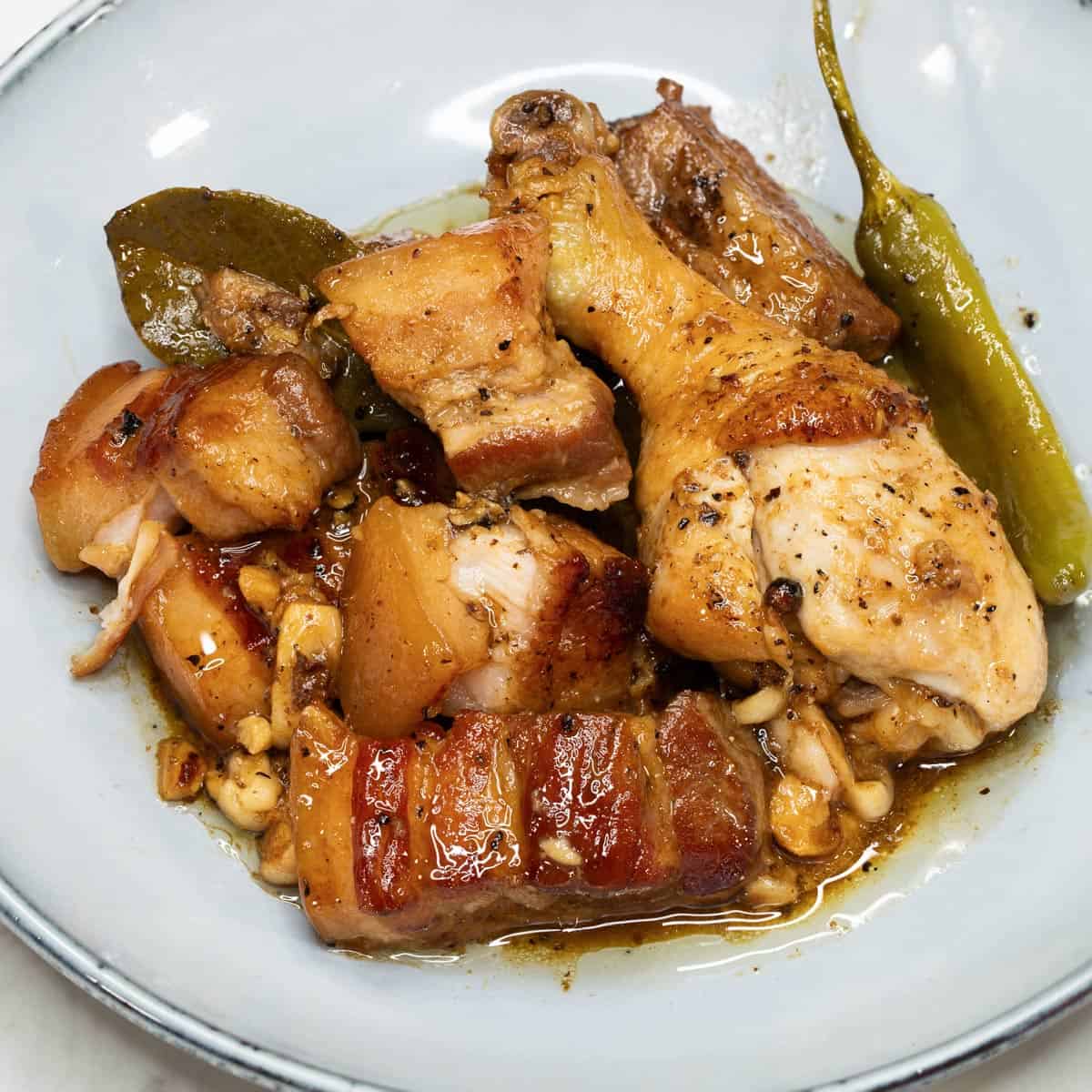
You'll often hear adobo linked to areas like:
- Northern Luzon
- Batangas and parts of Southern Luzon
- The Visayas
- Bicol
- Mindanao
Here are some common regional-style names you'll see:
- Adobong puti (no soy sauce)
- Adobong dilaw (with turmeric)
- Adobong pula (with achuete/annatto)
- Adobo sa bawang (extra garlic)
- Adobo sa asin (salt instead of soy sauce)
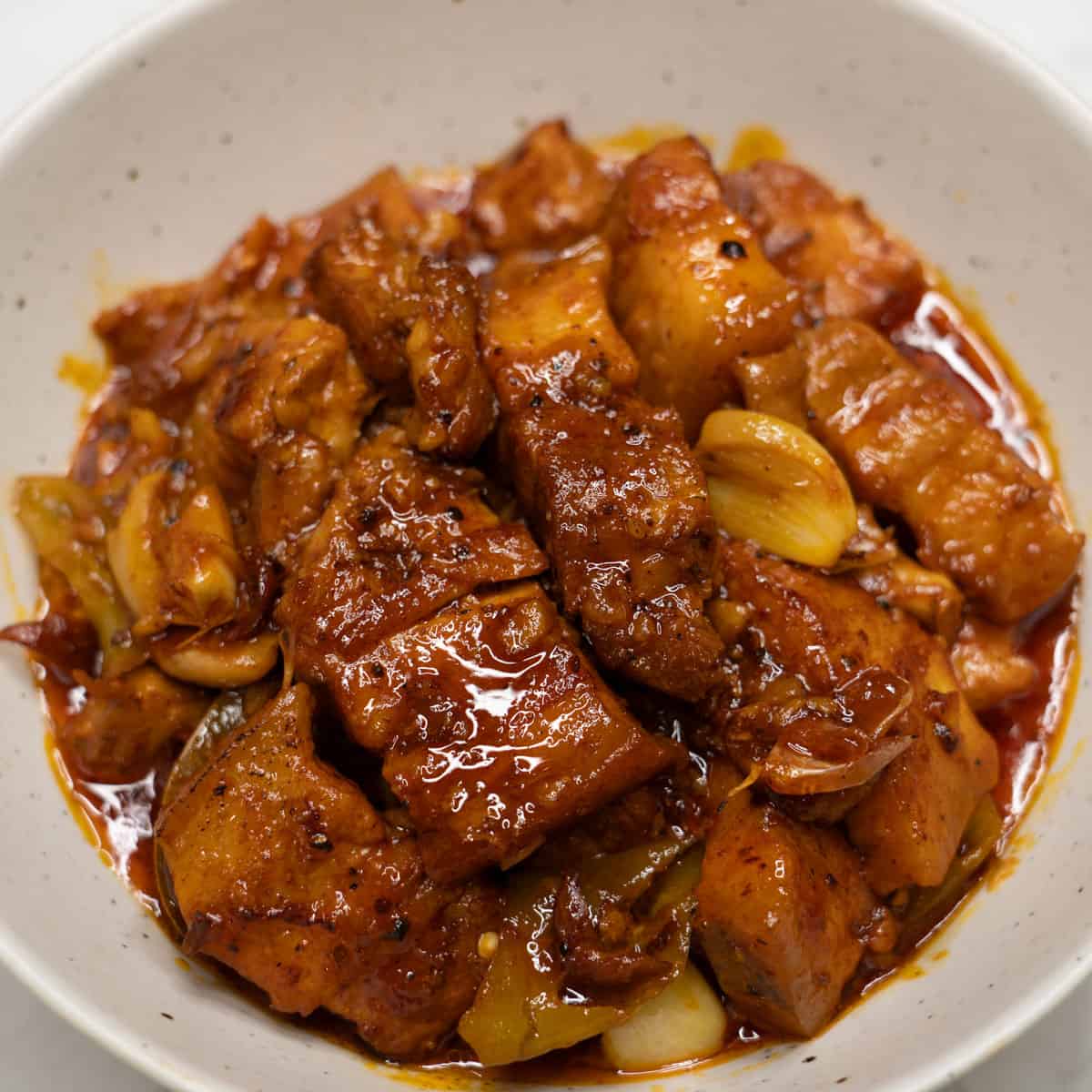
These names usually describe how the adobo is seasoned, not a completely different dish.
The base is still garlic, vinegar, and slow cooking. The seasoning can vary.
That's why adobo in one part of the Philippines can taste a little different from adobo in another.
Other Adobo-Style Dishes
You'll also see dishes called "adobo" that don't look like the usual pork or chicken adobo.
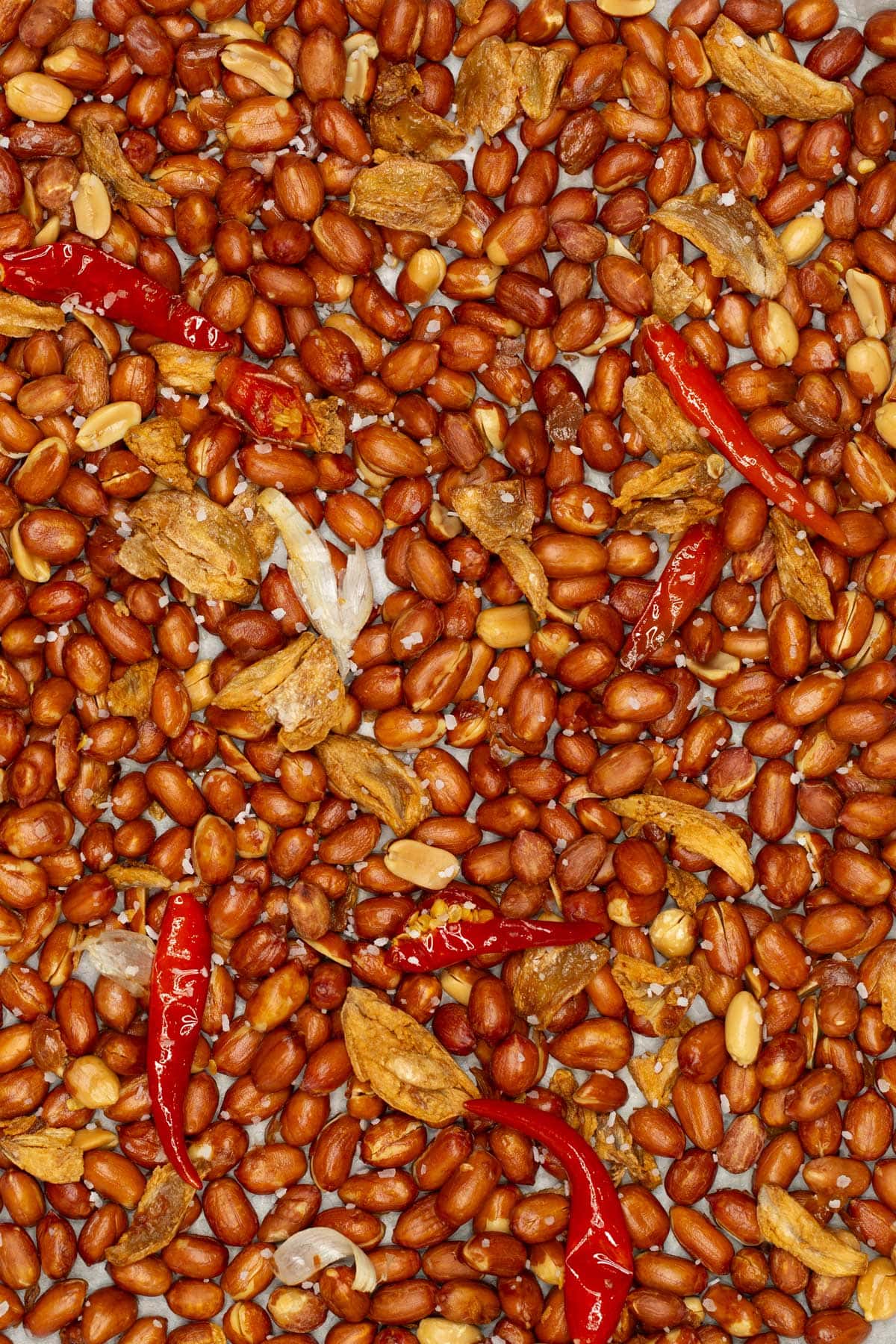
In these dishes, "adobo" usually refers to the seasoning rather than the slow-cooked method. It usually just means the food was cooked with garlic and seasoned in an adobo-style way - sometimes with vinegar, sometimes without.
Examples include:
- Adobong mani (peanuts)
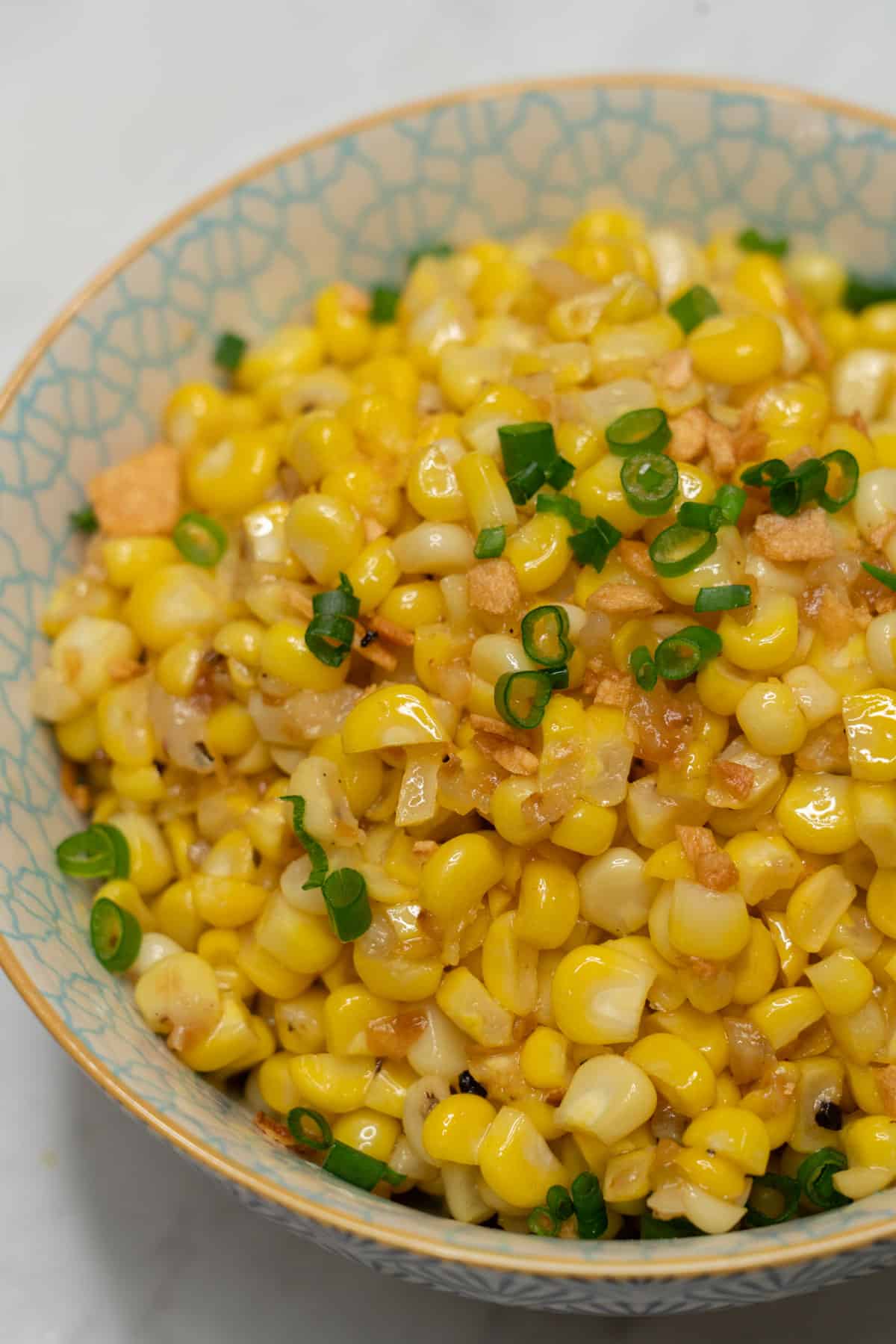
- Adobong mais (corn)
They're cooked quickly and don't follow the classic adobo method, but they're still called adobo because of the way they're seasoned.
Recipe FAQs
No. Some versions skip soy sauce and use vinegar and salt instead, like adobong puti or adobo sa asin.
Pork and chicken adobo are the most common and are usually what people mean when they say "adobo."
Yes. Vegetable adobo and adobo-style dishes like adobong mani or adobong mais are common in home cooking.
Because families adjust the garlic, vinegar, and seasoning based on taste, region, and what they have available.
Which Type of Adobo Should You Try First?
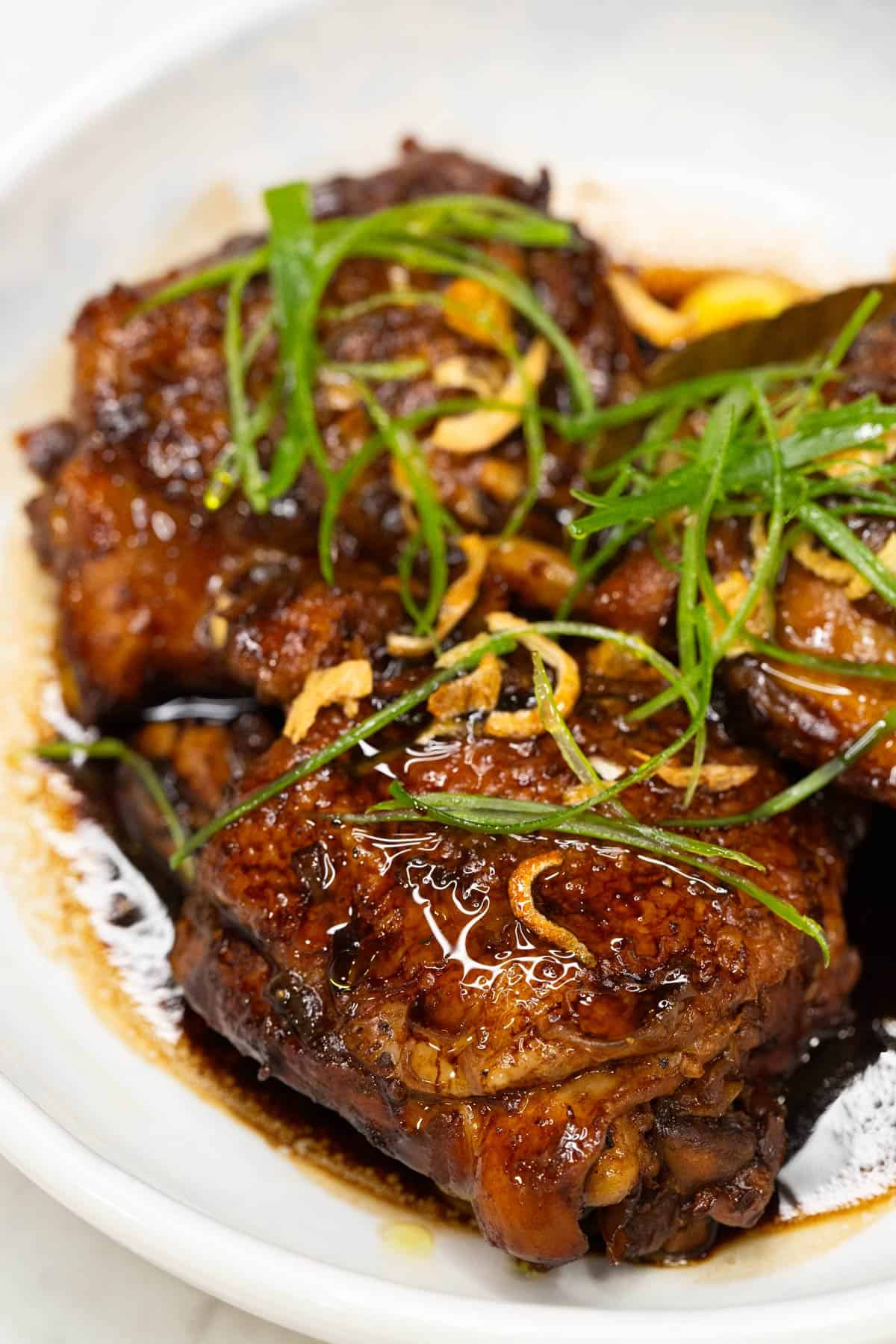
If you're new to Filipino adobo, start with classic pork or chicken adobo. That's the version most people grow up with, and it gives you a good idea of what adobo tastes like.
If you like creamy dishes, try adobo sa gata.
If you like crispy food, go for dry adobo or adobo flakes.
If you want something lighter, seafood adobo cooks fast and has a fresher taste.
And if you're eating meatless, vegetable adobo is an easy place to start.
There's no wrong choice. Adobo is meant to be flexible. Pick what fits your taste, and make it your own.

More Filipino Food Guide



Did you like this post? I would love to know! Your feedback helps me make better recipes. Please rate, review, or comment below. Questions about this recipe are welcome, too!
Let's connect on Facebook, Instagram, Pinterest, TikTok, Twitter, and Youtube. Be sure to tag me when you try any of my recipes @recipesbynora!


Rob says
Woaaah that’s a lot of adobo. Lol
Nora Reyes says
hahaha
Rob says
Wooaahh that’s a lot of adobo. Lol
Nora Reyes says
hahaha