
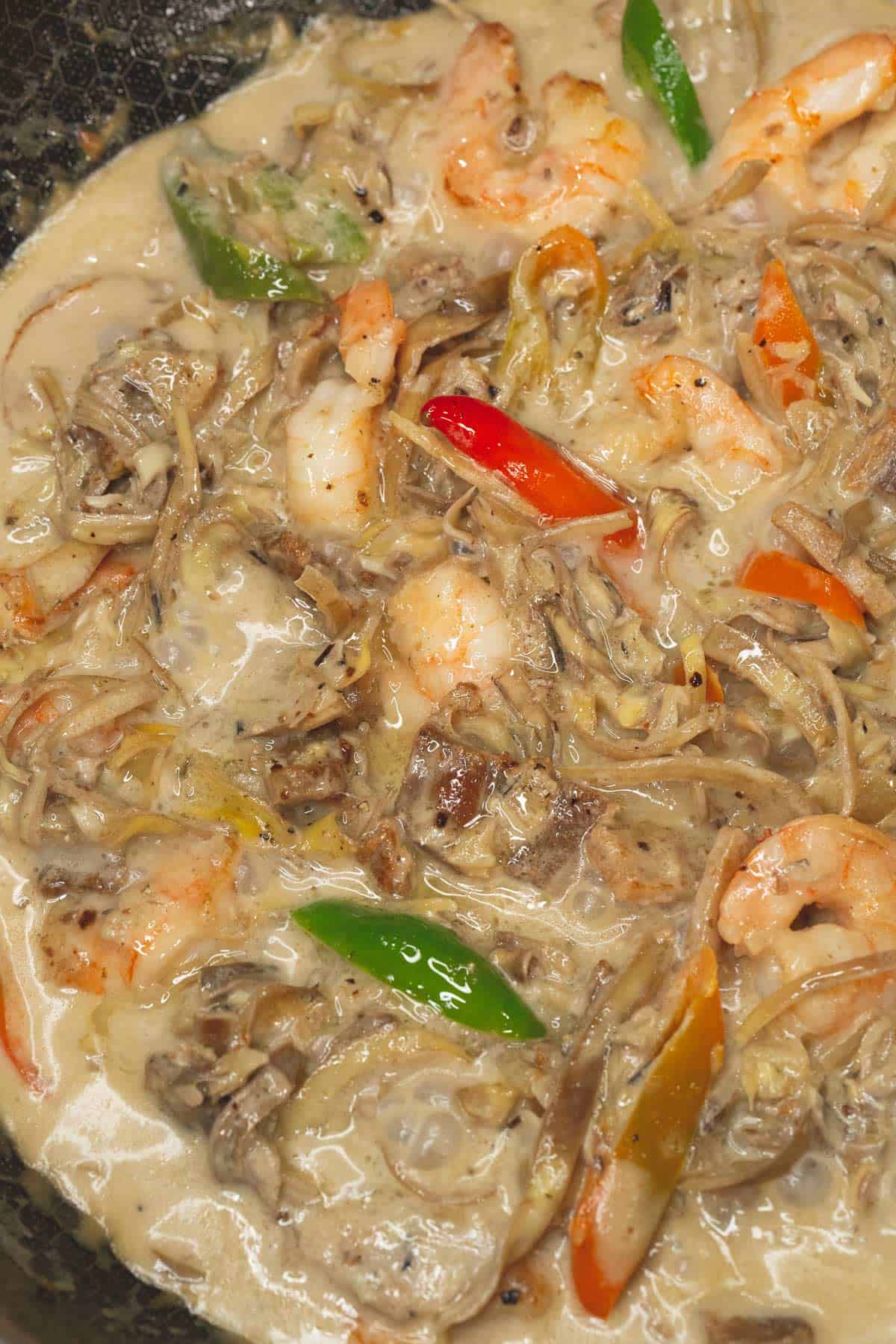
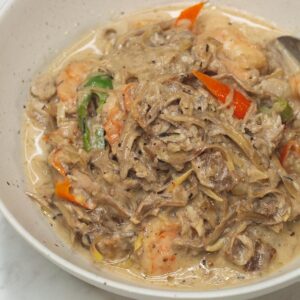
Ginataang puso ng saging is a Filipino dish made with banana blossom cooked in coconut milk. This version has pork belly, shrimp, shrimp paste, and chilies.
If you have ever seen a banana blossom and wondered what to do with it, make this.
It is the purple flower at the end of a banana cluster, and the tender inner part can be cooked like a vegetable.
Jump to:
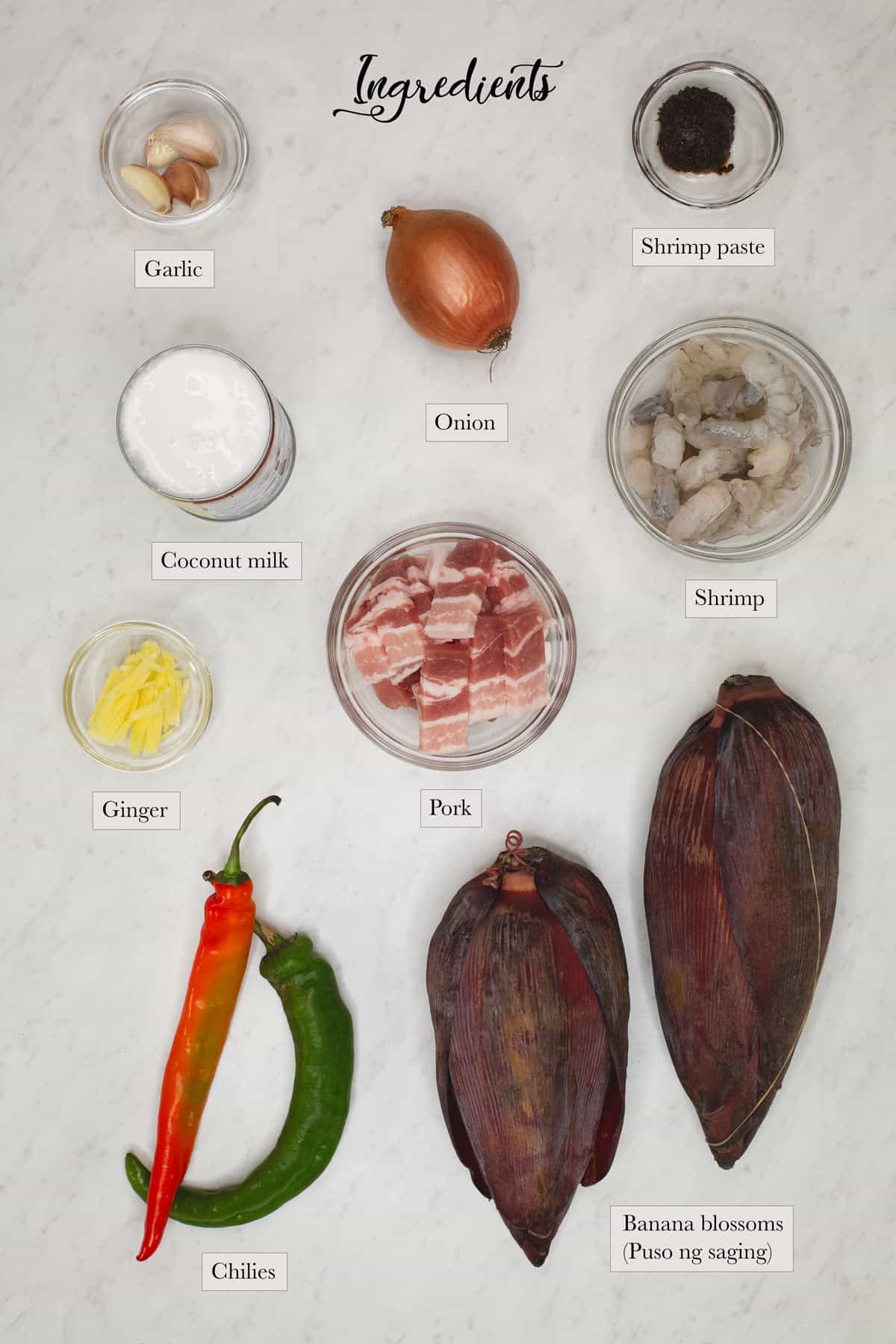
Ingredients You'll Need
Notes and Substitutions
- Banana blossoms (puso ng saging): These are the purple, tear-shaped flowers found at the end of a banana cluster. You will need 2 large banana blossoms.
- Proteins: I used shrimp and pork belly. Chicken or tofu will also work.
- Shrimp paste: You can use raw or sautéed shrimp paste. Smoked or dried fish will also work.
How to Make Ginataang Puso ng Saging
Step 1: Prepare the banana blossoms
Peel off the tough outer layers. Remove the small yellow flowers between the layers as you go.
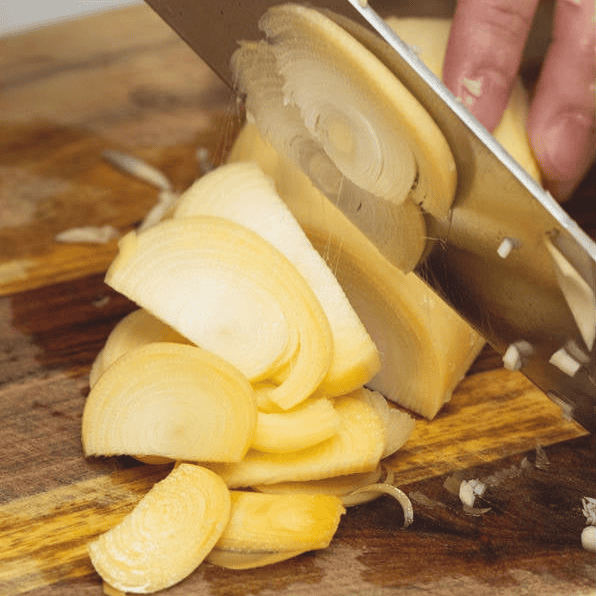
Continue peeling until you reach the pale, tender center. Cut off the stem, then thinly slice the center (which is the edible part).
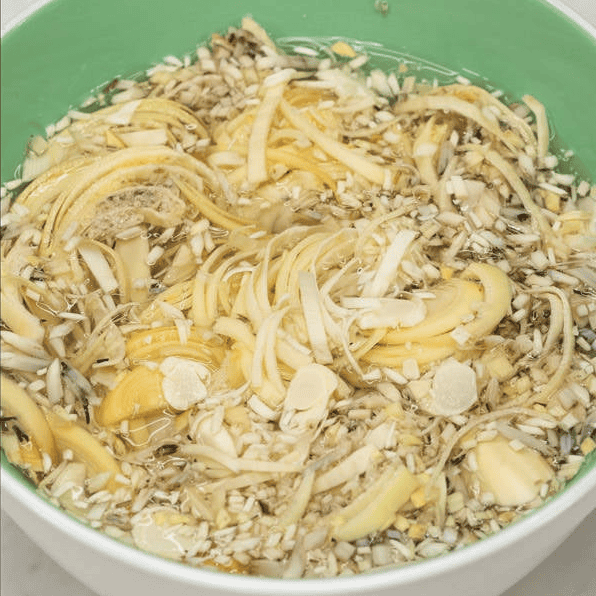
Place the slices in a large bowl of water with 2 tablespoons of vinegar or lemon juice. This helps keep them from turning brown.
If the slices release a lot of bitter sap, gently rub them with coarse salt. Keep them in the water until you are ready to cook them.
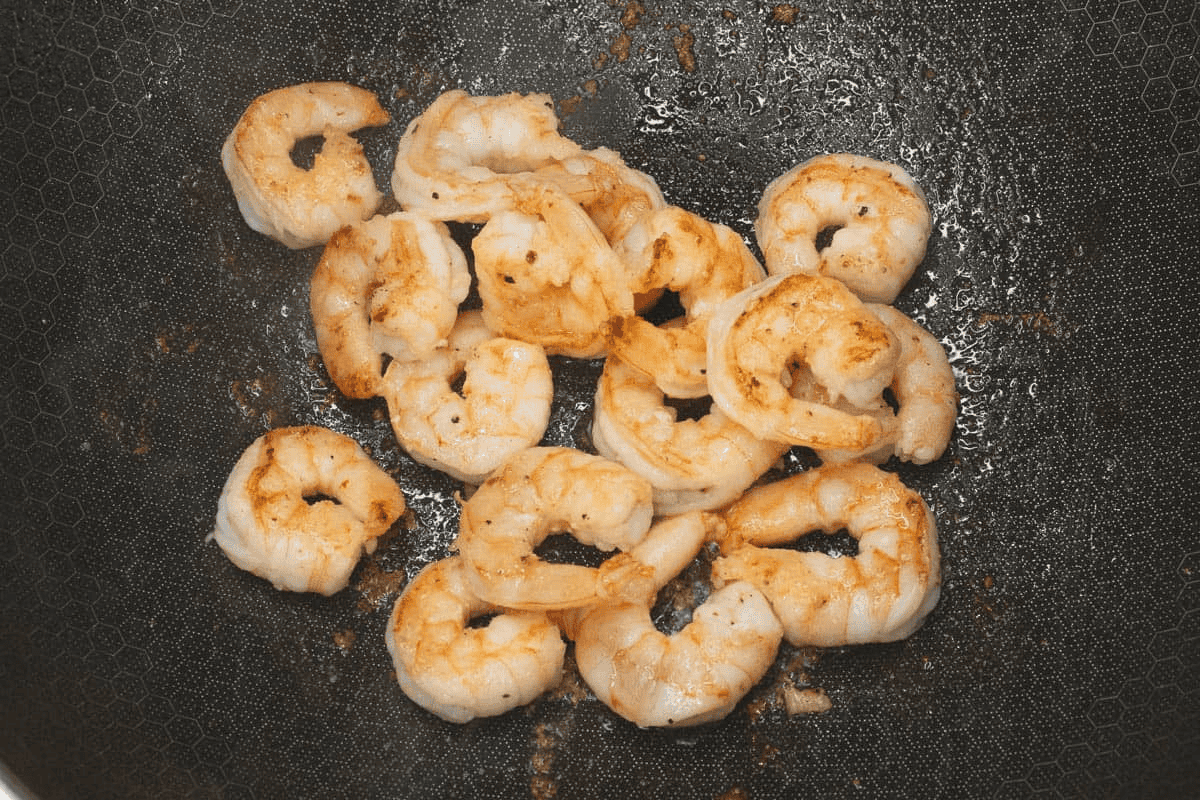
Step 2: Sear the shrimp
Season 8 ounces of shrimp with salt and pepper.
Heat a little oil over high heat and quickly sear the shrimp just until they change color. Transfer them to a plate.
Step 3: Brown the pork
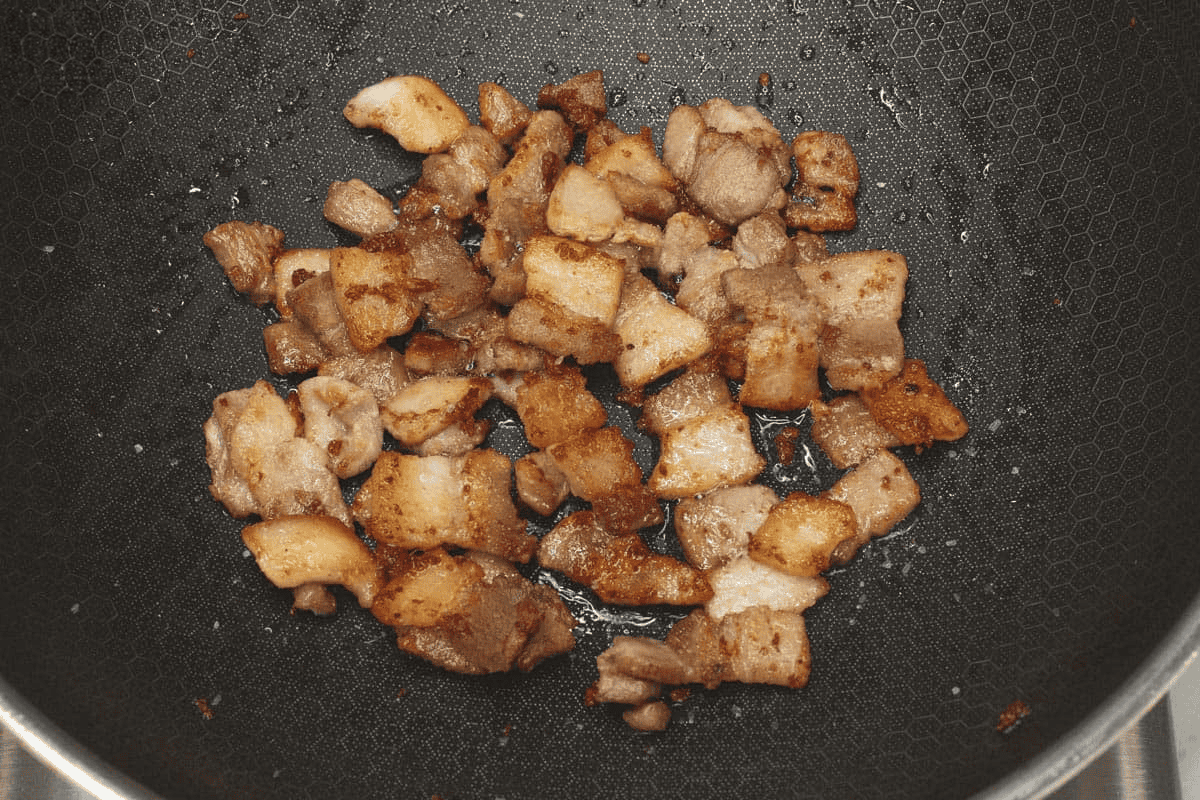
Add 8 ounces of pork belly and a small amount of water to the pan.
Cook over medium heat until the water evaporates and the fat starts to come out.
Season lightly with salt and cook until the pork is browned and slightly crisp.
Add a little oil only if the pan is dry. Push the pork to one side of the pan.
Step 4: Cook the aromatics
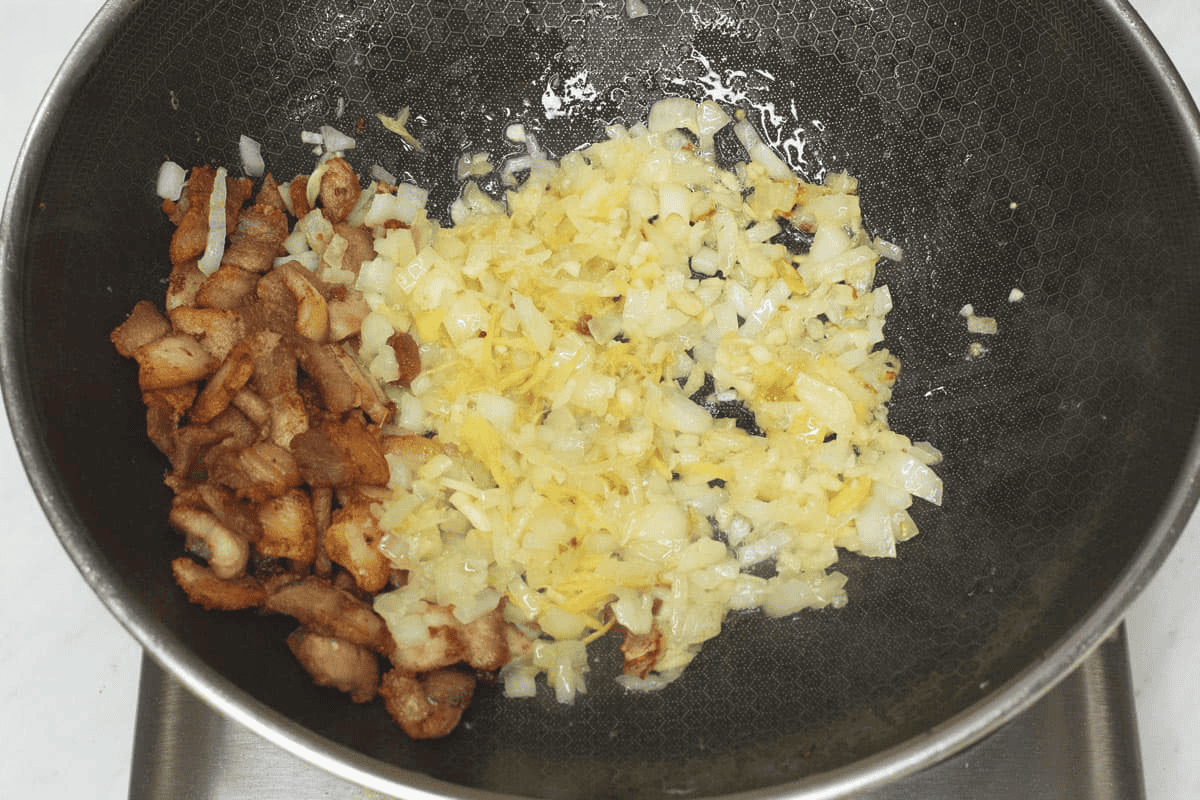
Add 2 tablespoons julienned ginger and cook until lightly browned.
Add 4 garlic cloves (minced) and 1 medium onion (chopped), then cook until softened and fragrant.
Step 5: Add the shrimp paste
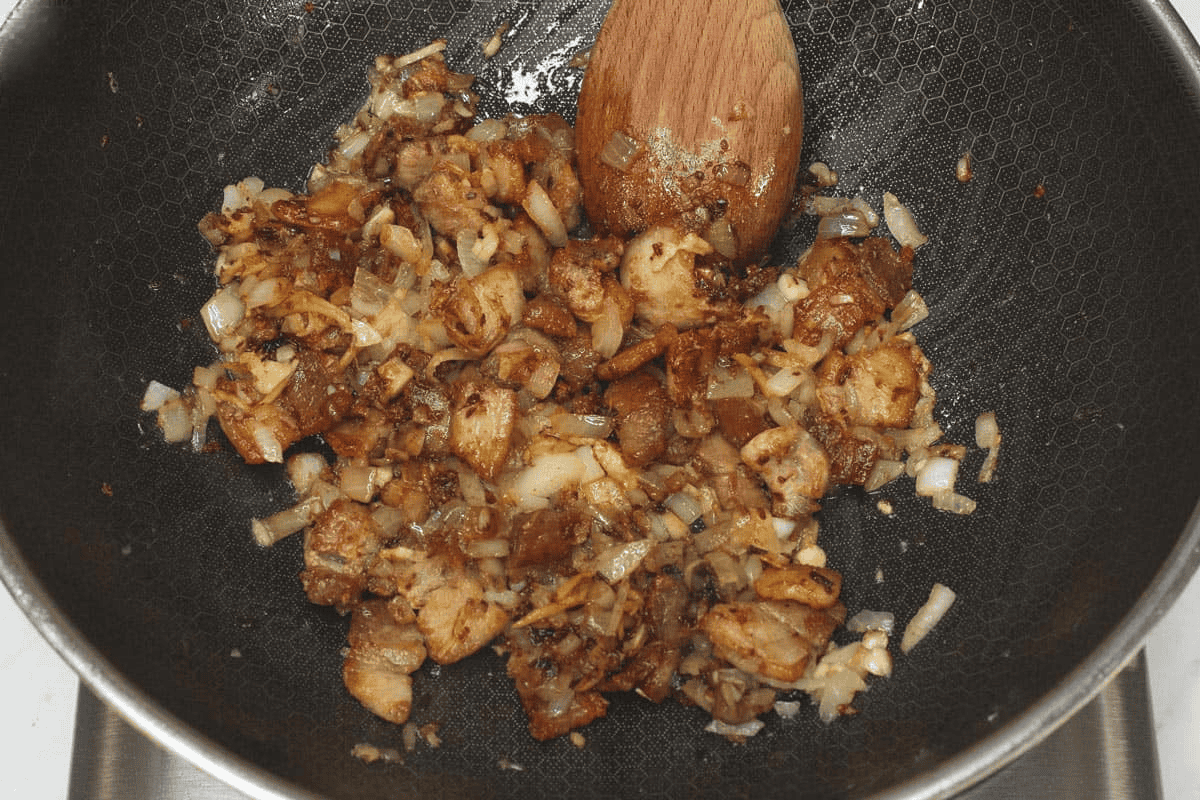
Add 1 tablespoon shrimp paste and cook for about a minute, mixing it with the pork and aromatics.
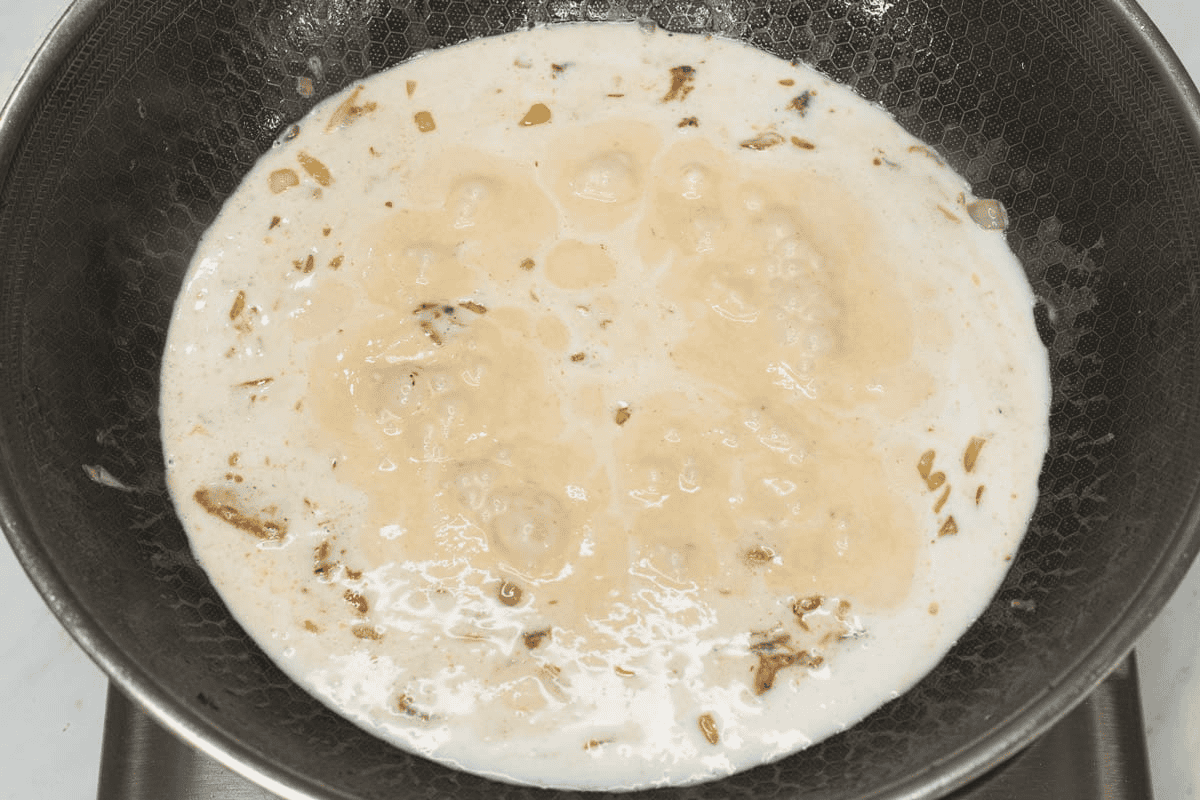
Step 6: Add the coconut milk
Pour 1 can of coconut milk and stir well.
Scrape up any browned bits from the bottom of the pan.
Let the sauce simmer over medium-low heat.
Step 7: Cook the banana blossoms
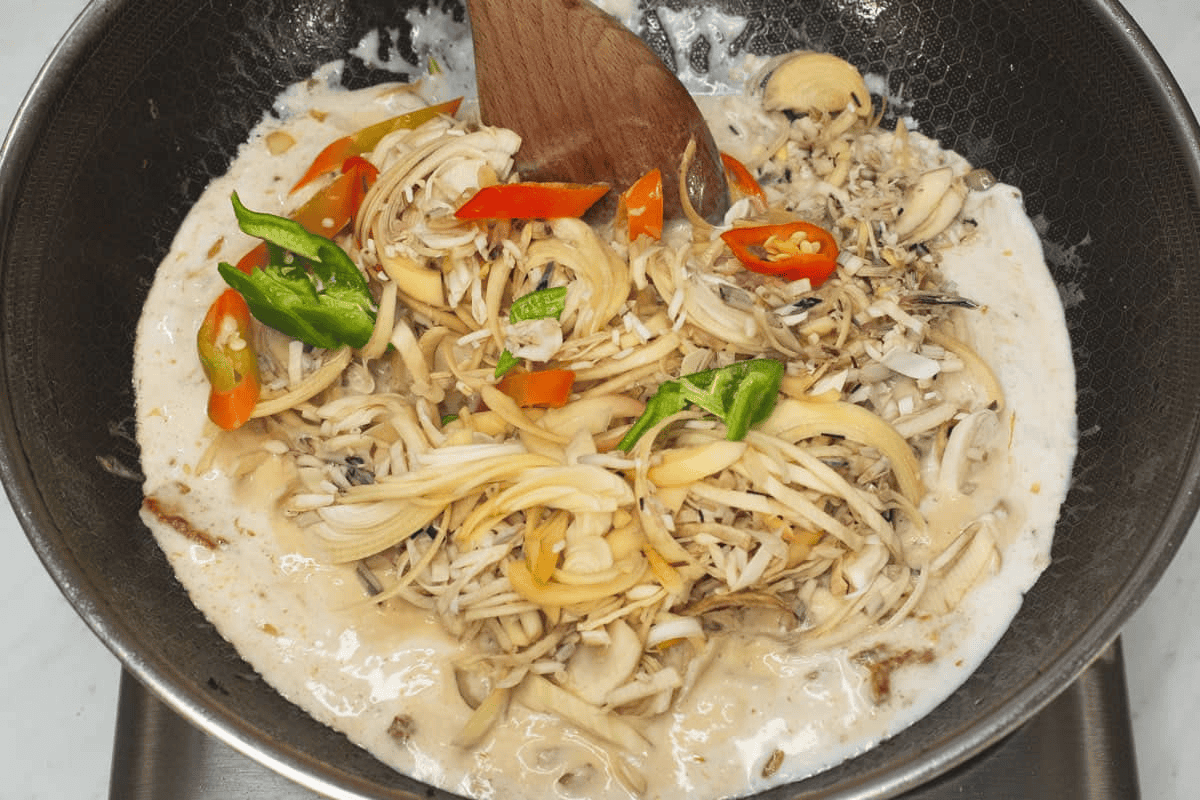
Drain the banana blossoms and rinse them well under cold water.
If you used salt, rinse a few times. Gently squeeze out the extra water.
Add the banana blossoms and chilies to the pan.
Simmer for 10 to 15 minutes, or until tender.
Step 8: Add the shrimp and season
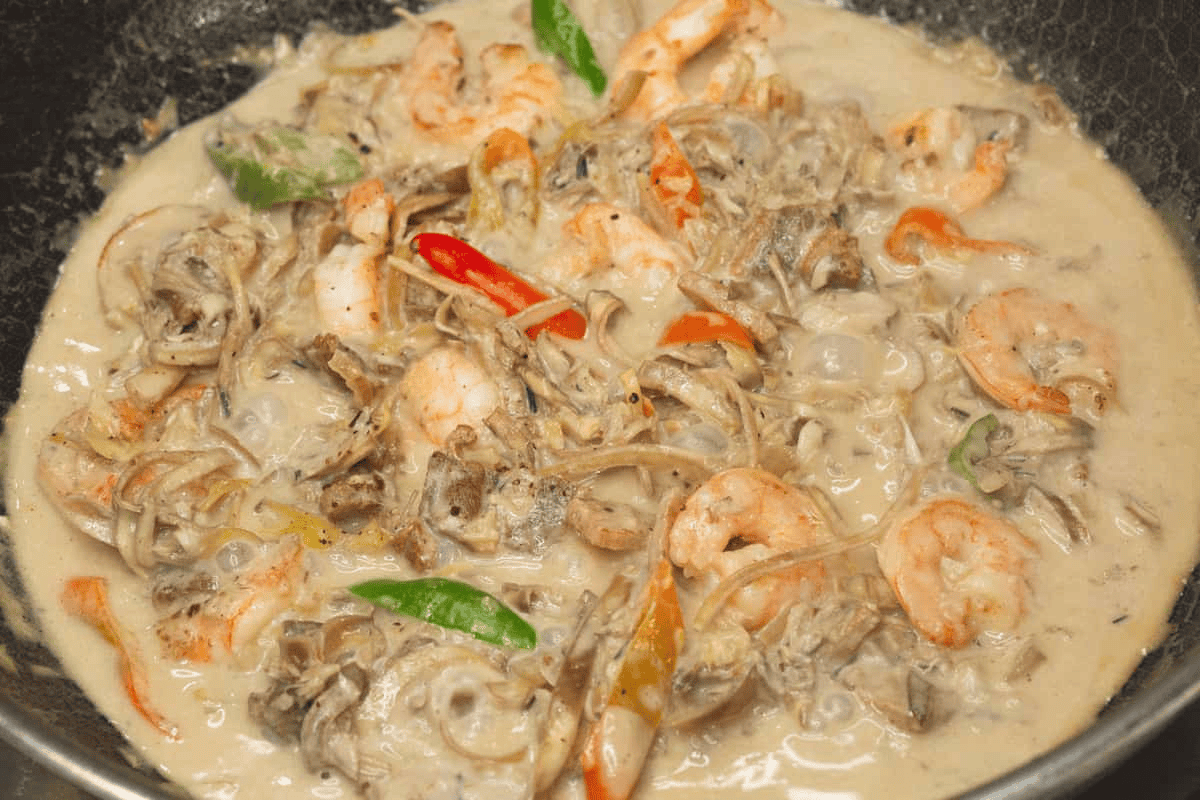
Return the shrimp to the pan. Season to taste with fish sauce, salt, and pepper.
If the sauce is too thick, add a little coconut milk or water.
Turn off the heat once the shrimp are cooked through.
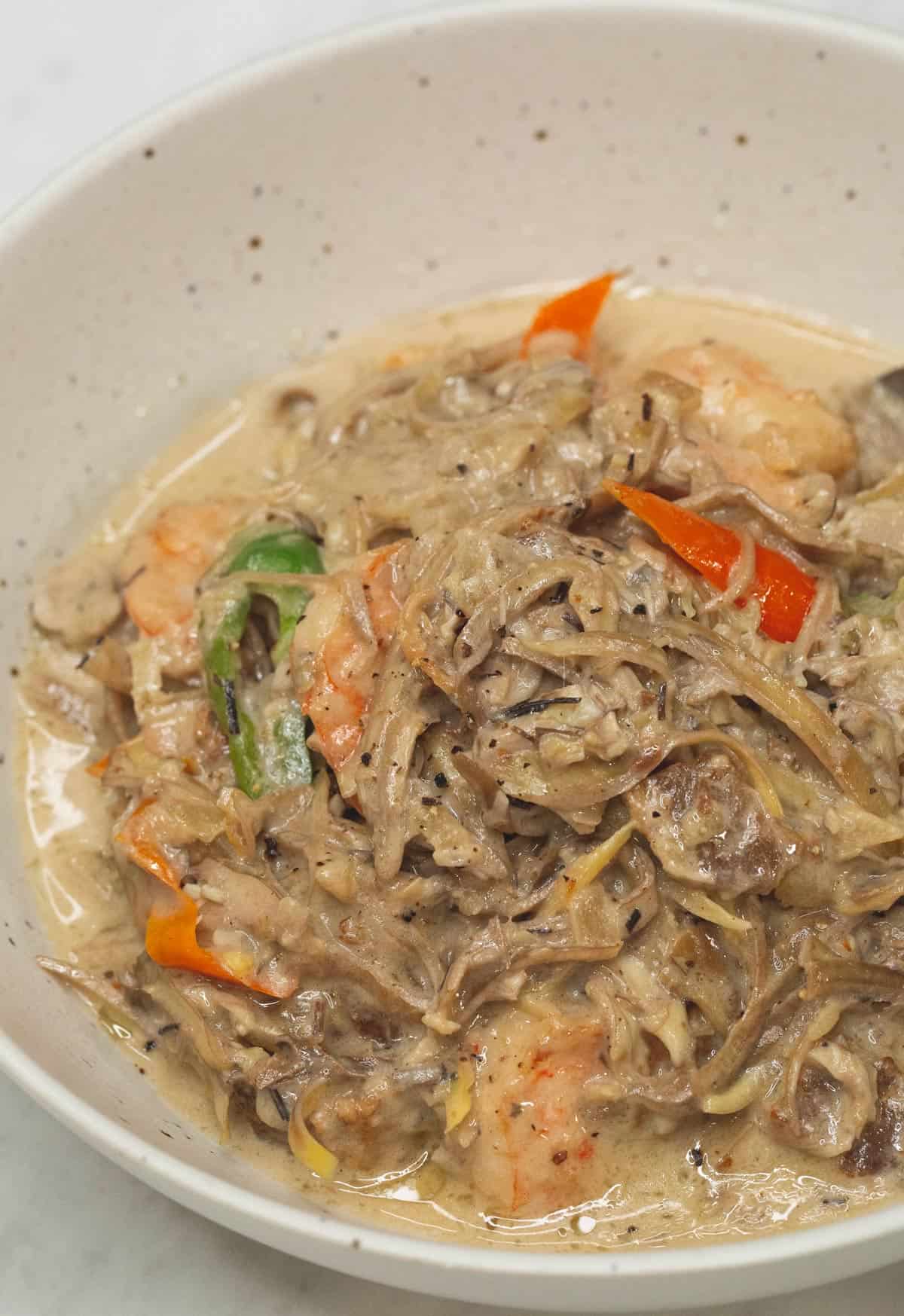
Serve and enjoy your ginataang puso ng saging with steamed white rice or sinangag!
Recipe FAQs
A banana blossom (also called puso ng saging) is the purple, tear-shaped flower found at the end of a banana cluster. The tender inner part is prepared and cooked like a vegetable.
Banana blossoms have a mild, slightly bitter taste. When cooked, they become tender, much like artichoke hearts, and absorb the flavors of the dish.
Vinegar water keeps the sliced banana blossoms from turning brown. It also helps remove some of the sticky sap and bitter taste.
Yes. Drain and rinse it well before using. Since canned banana blossom is already tender, it may need less cooking time.
More Coconut Milk Recipes
- Ginataang manok: Chicken and vegetables cooked in coconut milk.
- Laing: Taro leaves cooked in coconut milk with chilies.
- Bicol express: Spicy pork cooked with coconut milk and shrimp paste.
- Ginataang mais: Sticky rice and corn cooked in sweetened coconut milk.
- Ginataang bilo-bilo: Sticky rice balls, fruit, and root vegetables cooked in sweetened coconut milk.
- Ginataang alimango: Crab cooked in coconut milk with vegetables.
- Ginataang hipon: Shrimp cooked in a creamy coconut sauce.
- Ginataang langka: Young jackfruit cooked in coconut milk.
- Ginataang ampalaya: Bitter melon cooked in coconut milk.
Vegetable Recipes You May Like

Did you make this recipe? I would love to know! Your feedback helps me make better recipes. Please rate, review, or comment below. Questions about this recipe are welcome, too!
Let's connect on Facebook, Instagram, Pinterest, TikTok, Twitter, and Youtube. Be sure to tag me when you try any of my recipes @recipesbynora!
📖 Recipe
Ginataang Puso ng Saging
Equipment
- Wok or wide pan
Ingredients
- 2 large banana blossoms (puso ng saging)
- 8 ounces shrimp peeled and deveined
- 8 ounces pork belly or shoulder sliced
- 2 tablespoons julienned ginger
- 4 garlic cloves minced
- 1 medium onion chopped
- 1 tablespoon shrimp paste raw or sautéed
- 1 (13.5-ounce) can coconut milk
- 2 red or green chilies whole or sliced
- Fish sauce, salt, and pepper to taste
- Neutral oil
Instructions
- Remove the tough outer layers and yellow flowers from the banana blossoms. Trim the stem and thinly slice the tender center.
- Soak in water with vinegar or lemon juice. If very sappy, rub gently with coarse salt. Keep submerged until needed.
- Season and quickly sear the shrimp in oil until they change color. Transfer to a plate.
- Cook the pork with a splash of water until browned and slightly crisp. Add oil only if needed.
- Add the ginger, followed by the garlic and onion. Cook until softened, then stir in the shrimp paste.
- Pour in the coconut milk and scrape up any browned bits. Let it simmer over medium-low heat.
- Drain and rinse the banana blossoms, then squeeze out the extra water. Add them with the chilies and simmer for 10 to 15 minutes, until tender.
- Return the shrimp to the pan. Season to taste with fish sauce, salt if needed, and pepper. Add water or coconut milk if the sauce is too thick.
Notes
- Banana blossoms (puso ng saging): You will need 2 large blossoms.
- Proteins: Use pork belly and shrimp, or substitute chicken or tofu.
- Shrimp paste: Use raw or sautéed. Smoked or dried fish will also work.
Jen says
This looks delicious, similar to langka.
Nora Reyes says
Yes, they are actually very similar in texture and both are neutral in taste.