
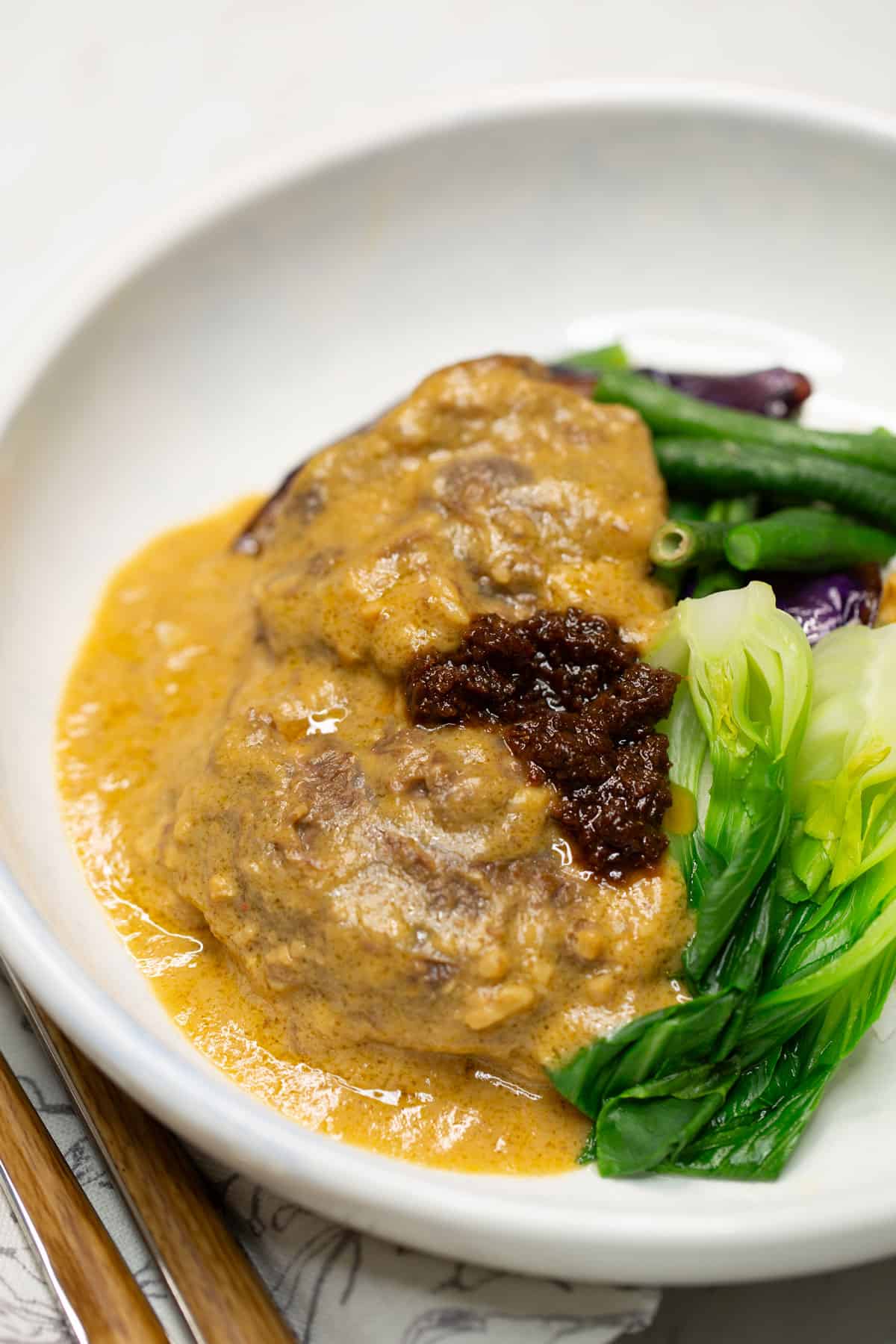
Beef kare-kare is a Filipino peanut stew with beef and vegetables in a thick, savory peanut sauce.
It gets its yellow-orange color from annatto and is usually served with bagoong on the side.
I used beef shank because it has collagen and connective tissue that break down as it simmers. The meat gets tender, and the sauce tastes better too.
Jump to:
Ingredients You'll Need

Notes and Substitutions
- Boneless beef shank (or shin): This is a lean cut with plenty of collagen-rich connective tissue that break down as it simmers. Beef chuck also works. Oxtail is more traditional, but it can be fatty and expensive.
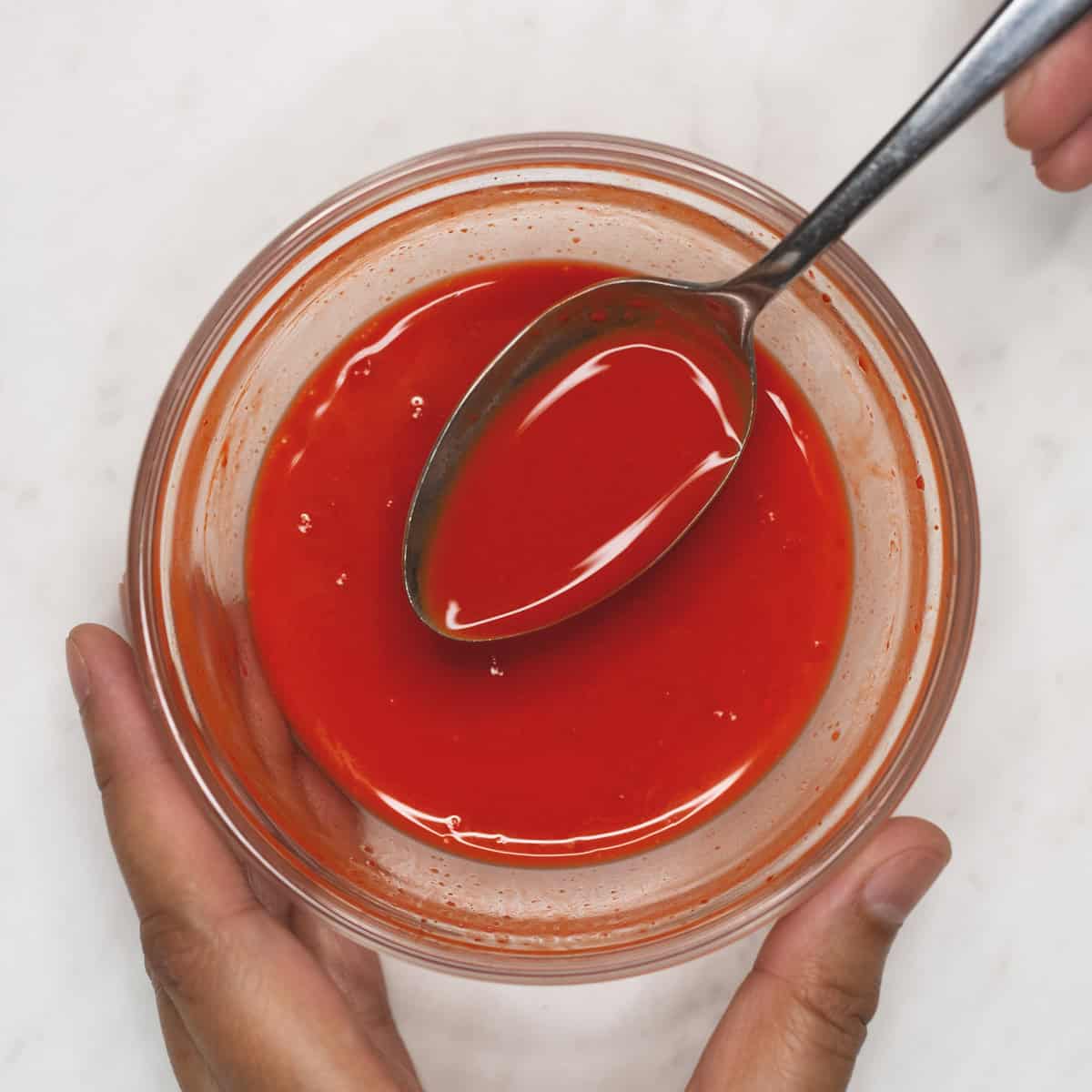
- Annatto (or achiote): This gives kare-kare its yellow-orange color. It is mostly for color, not flavor. Dissolve annatto powder in warm water, or use warm water steeped with annatto seeds.
- Peanuts: I used ground roasted peanuts and creamy peanut butter for a thicker sauce with more texture.
- Yardlong beans (or sitaw): Use sitaw if you can find it. Green beans or string beans also work.
- Bok choy: Pechay is usually used for kare-kare, but Shanghai bok choy or regular bok choy also work.
- Eggplant: I like Japanese or Chinese eggplant because the skin is thin and it cooks fast.
- Other vegetables: You can also add puso ng saging (or banana blossom/heart), napa cabbage, or okra.
- Sautéed shrimp paste (ginisang bagoong alamang): Use the sautéed kind, not the pink raw bagoong. It is salty, so serve it on the side and add a little at a time.
How to Make Beef Kare-Kare (Step-by-Step)
Step 1: Prepare the meat
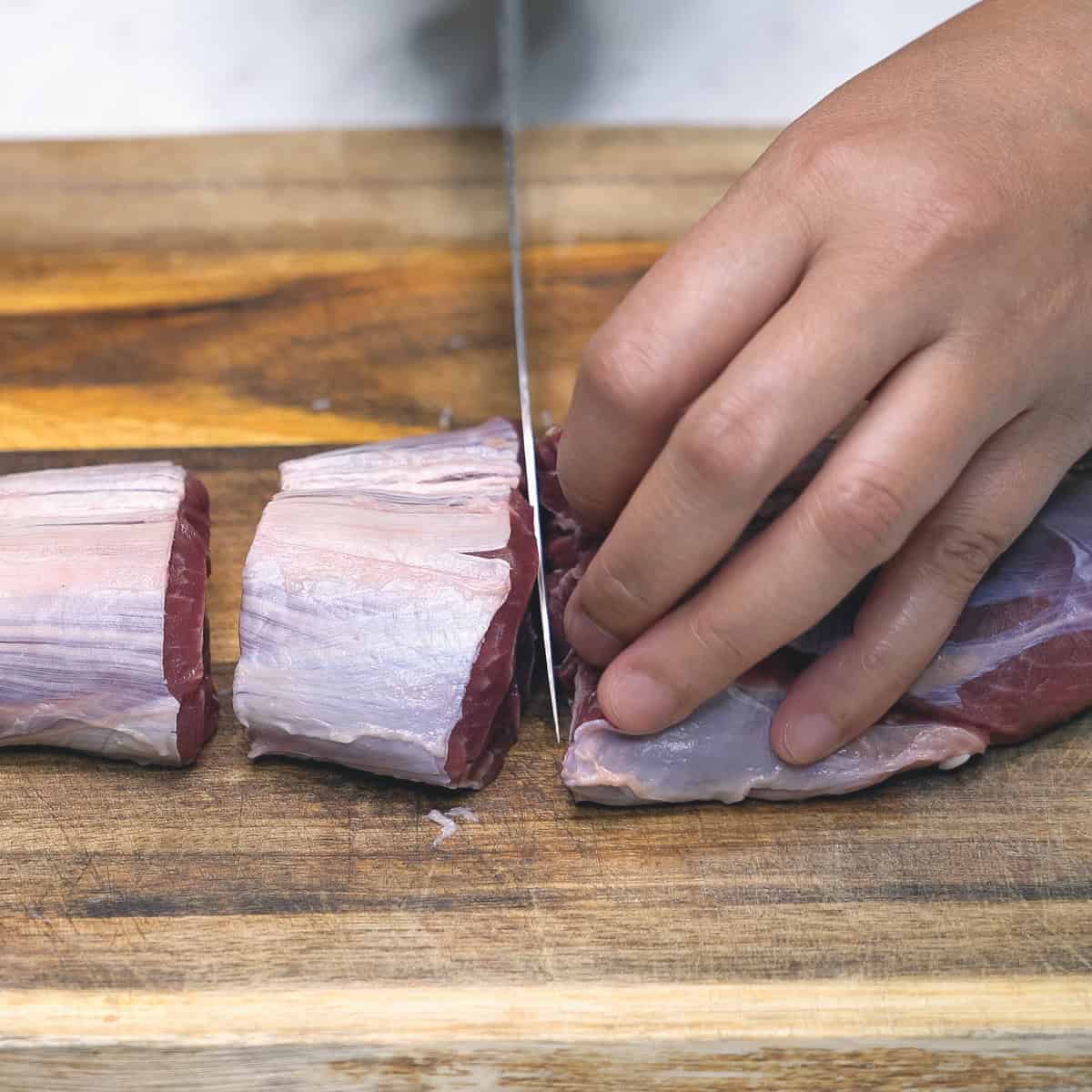
Trim any excess fat from 3 pounds beef shank.
Cut into 1½-inch pieces, then season with salt and pepper.
Step 2: Sear the beef
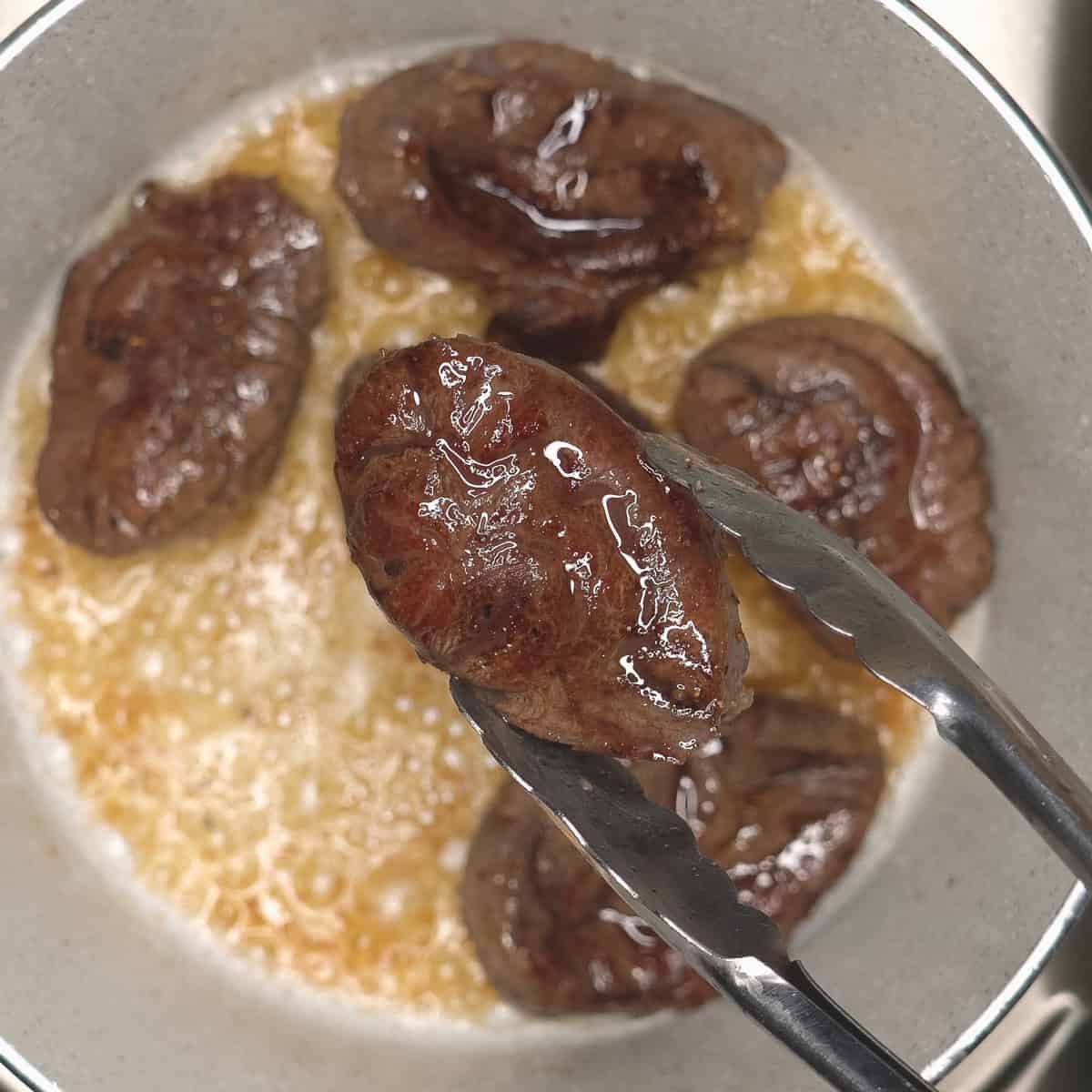
Heat oil in a pot over medium-high heat.
Sear the beef until browned on both sides, about 2 minutes per side.
Transfer to a plate.
Step 3: Sauté the aromatics
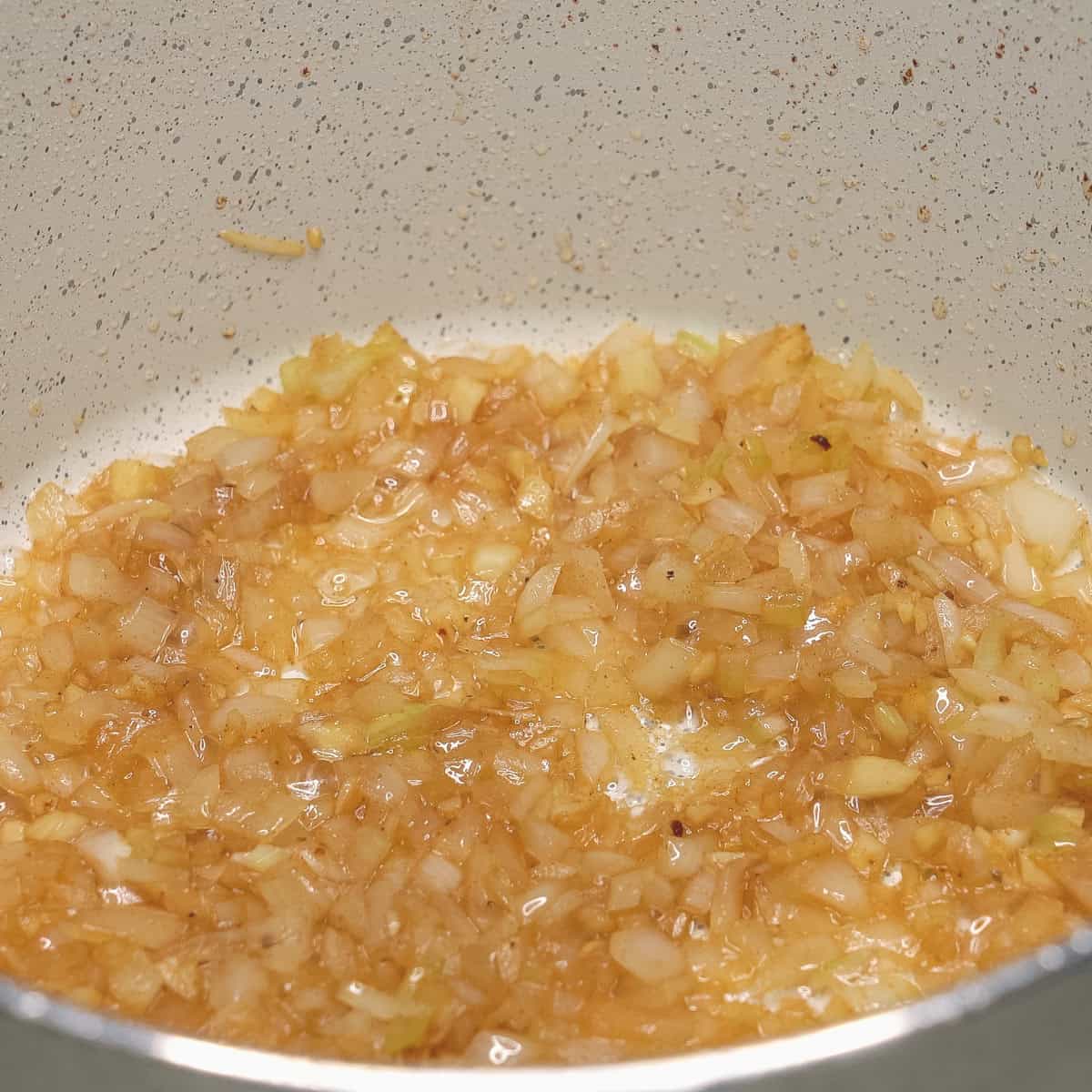
Lower the heat to medium.
Sauté 3 garlic cloves (minced) and 1 medium onion (chopped) until softened.
Step 4: Simmer the beef
Add the beef back in with enough water to cover, about 6 cups. You can also use beef broth.
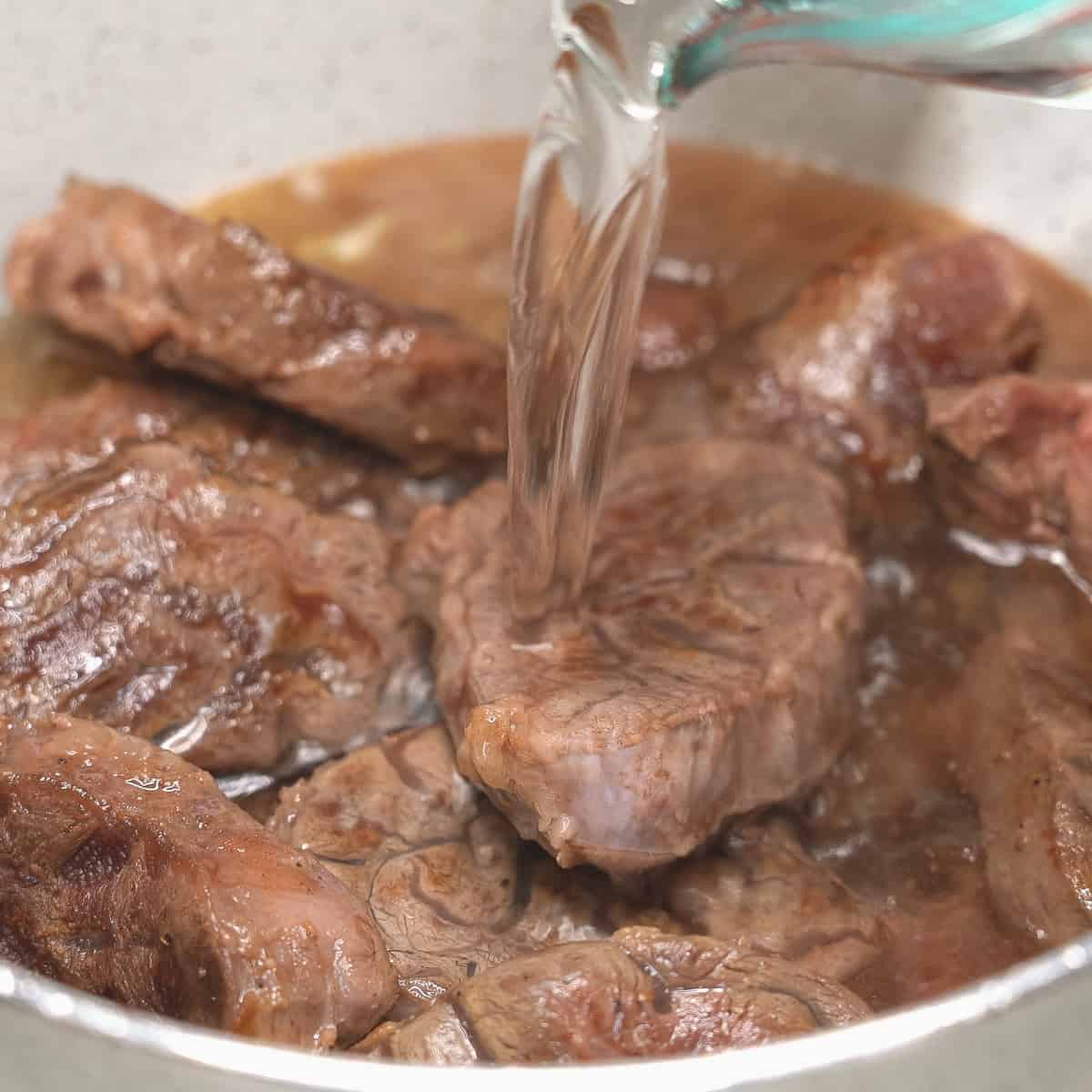
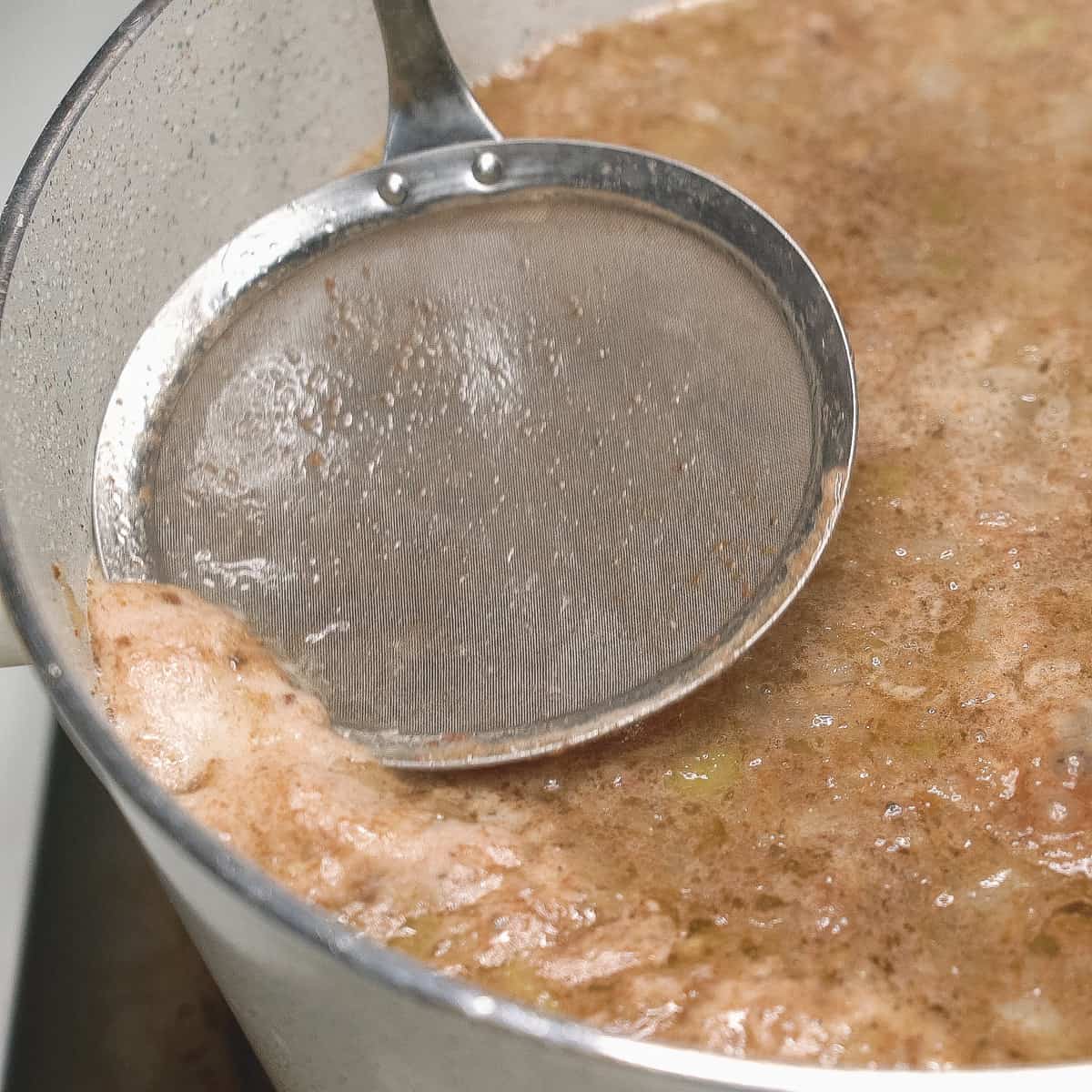
Bring to a boil, then skim off the scum and fat that rise to the top.
Season with salt. Cover and simmer until the beef is tender, about 2 hours.
Step 5: Blanch the sitaw
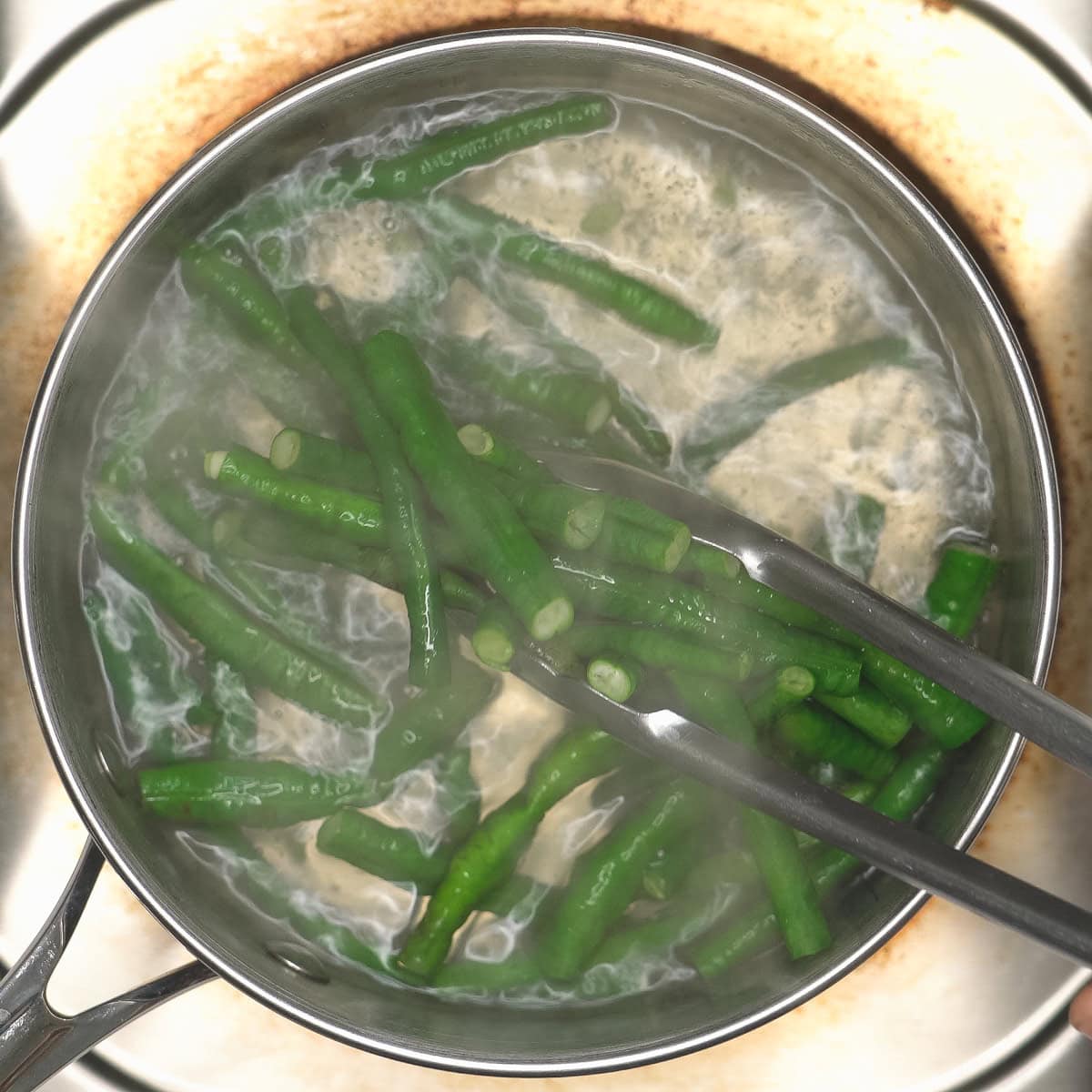
Blanch 8 ounces of sitaw (cut into sections) in boiling water until crisp-tender, about 2 minutes.
Transfer to an ice bath (water+ice), then drain.
You can add a pinch of baking soda to keep the greens bright.
Step 6: Blanch the bok choy
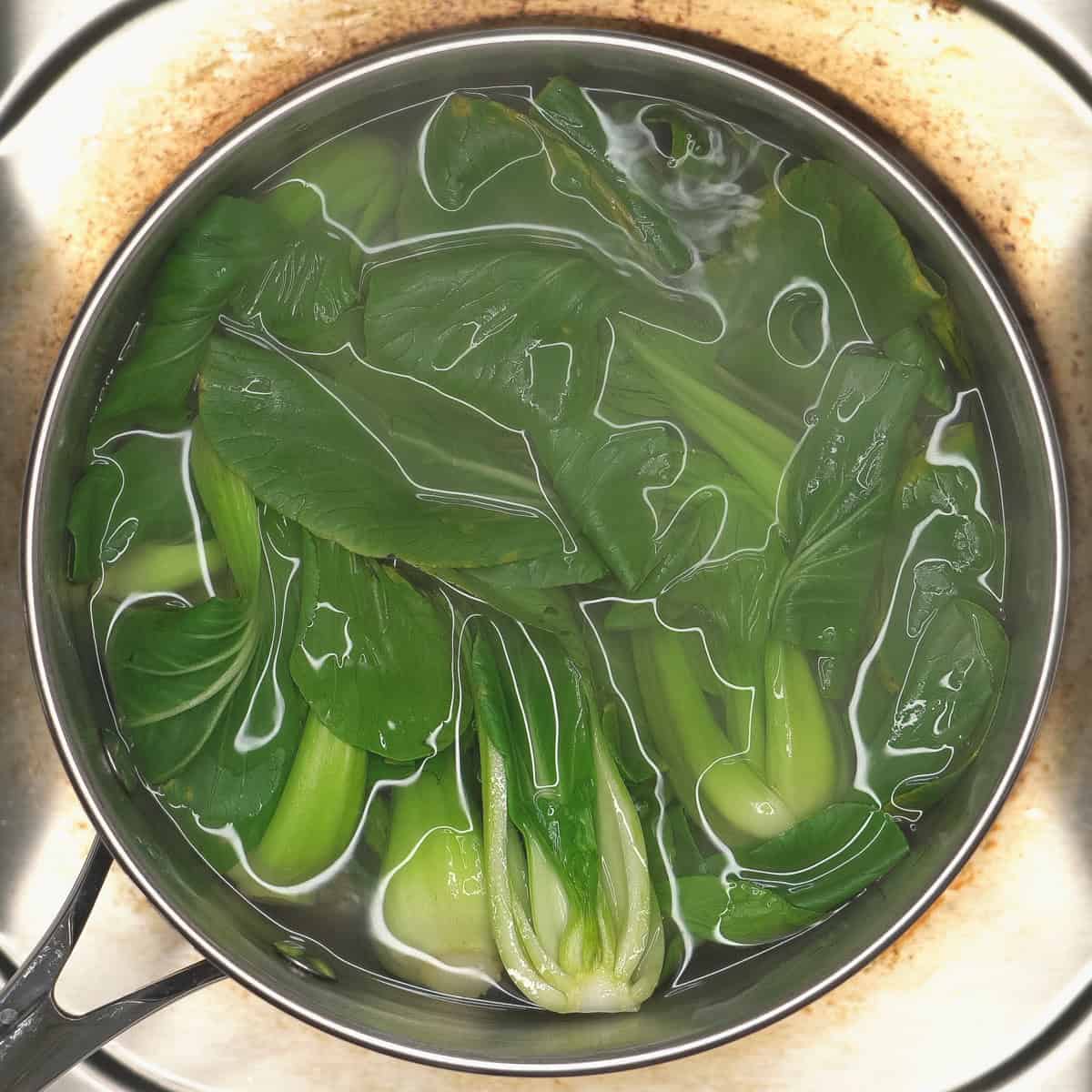
Blanch 8 ounces bok choy (cutin half, if large) in boiling water until just wilted, about a minute.
Transfer to an ice bath, then drain.
Step 7: Fry the eggplant
Heat oil in a pan over medium-high heat.
Fry 1 pound of eggplant (cut into thick slices) until browned on both sides.
Drain on paper towels.

Step 8: Add the annatto
Once the beef is tender, dissolve 1 teaspoon annatto powder in warm water and add it to the pot.
Step 9: Add the peanuts and thicken the sauce
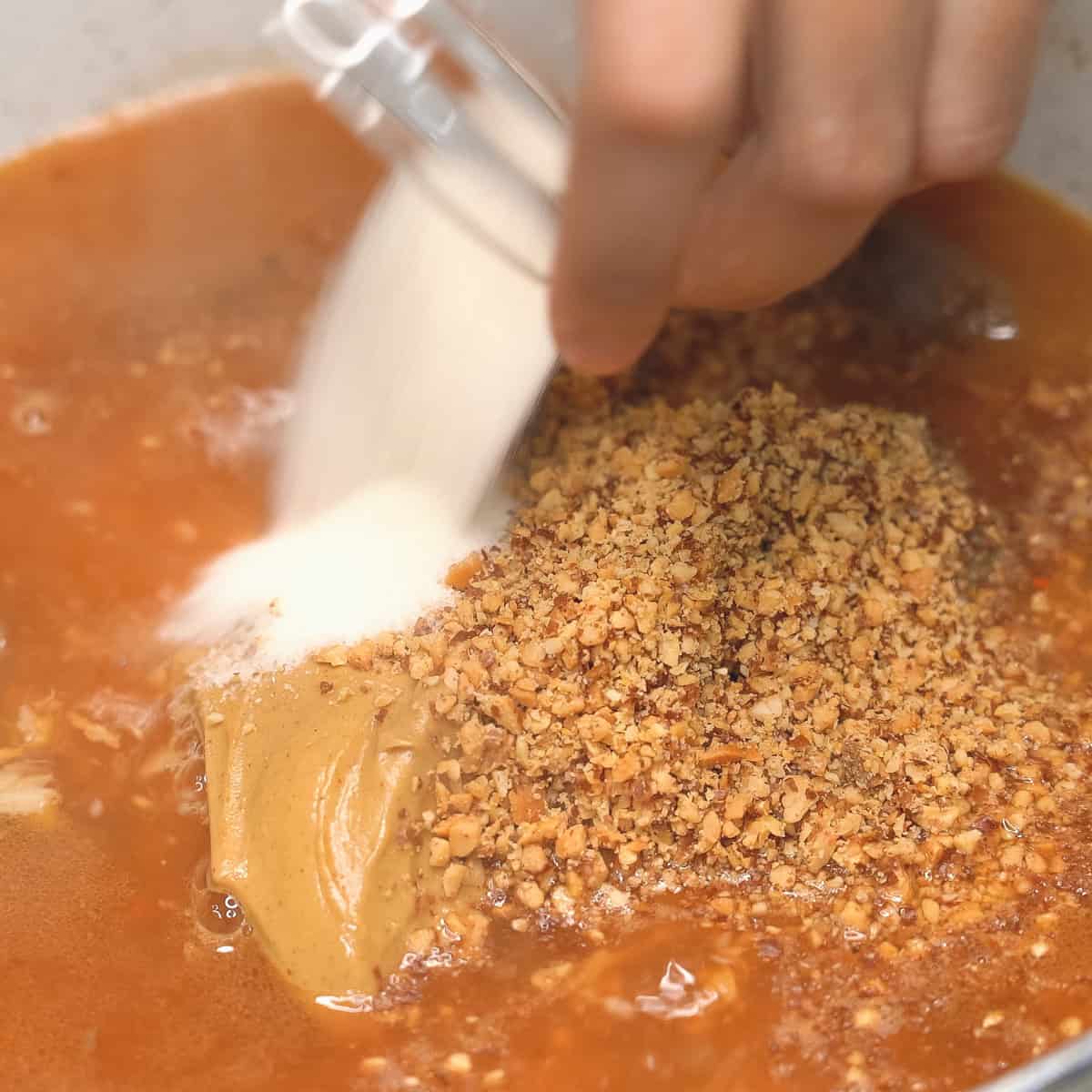
Add 1 cup creamy peanut butter, ½ cup ground peanuts, and 1 tablespoon sugar. Stir until smooth.
Thicken the sauce with a slurry (1 tablespoon cornstarch or rice flour dissolved in water).
Taste and adjust as needed.
Step 10: Add the vegetables
Add the vegetables, then turn off the heat so they do not overcook.

Serve your kare-kare with a side of sautéed shrimp paste. It is salty, so add a little at a time.
If you are feeding a big group, I also have a large-batch kare-kare recipe.

Cooking Tips
- Sear the beef first to add more flavor to the sauce.
- Cook the beef until really tender so the connective tissue has time to soften.
- Skim off the scum and excess fat so the sauce tastes cleaner.
- Add the vegetables at the end so they do not overcook.
- Add bagoong a little at a time because it is very salty.
Recipe FAQs
Kare-kare is a Filipino stew made with beef, vegetables, and a thick peanut sauce.
The yellow-orange color comes from annatto powder or seeds. It is mostly used for color and does not really affect the taste of the dish.
Oxtail is traditional, but beef shank and beef chuck are also commonly used.
The sauce is thickened with ground peanuts and a slurry made with cornstarch or rice flour.
Yes. Kare-kare reheats well, and the sauce gets thicker as it sits.
More Ways to Make Kare-Kare
- Seafood kare-kare: Made with seafood like shrimp, crab, squid, or mussels.
- Chicken kare-kare: A lighter version made with chicken pieces.
- Vegetarian kare-kare: A meatless version with tofu, mushrooms, and vegetables.
- Pork kare-kare: Made with pork hocks, pork belly, or other pork cuts.
- Lechon kawali kare-kare: Made with crispy pork belly or its air-fried version.
Beef Recipes You May Like



Did you make this recipe? I would love to know! Your feedback helps me make better recipes. Please rate, review, or comment below. Questions about this recipe are welcome, too!
Let's connect on Facebook, Instagram, Pinterest, TikTok, Twitter, and Youtube. Be sure to tag me when you try any of my recipes @recipesbynora!
📖 Recipe

Beef Kare-Kare Recipe
Equipment
- Heavy-bottomed pot
- Small pot (for blanching vegetables)
- Frying pan (for eggplant)
Ingredients
- 3 pounds boneless beef shank cut into 1½-inch chunks
- 3 garlic cloves minced
- 1 medium onion chopped
- 1 teaspoon annatto powder dissolved in warm water
- 1 cup creamy peanut butter
- ½ cup fried or roasted peanuts coarsely ground
- 1 tablespoon sugar
- 1 tablespoon cornstarch or rice flour dissolved in 2 tablespoons water
- 8 ounces yardlong beans cut into sections
- 8 ounces bok choy cut in half, if big
- 1 pound eggplant cut into thick slices
- Sautéed shrimp paste (ginisang bagoong alamang)
- Salt and pepper
- Neutral oil
Instructions
- Trim excess fat from the beef shank, then season with salt and pepper.
- Sear the beef in oil over medium-high heat until browned on both sides. Transfer to a plate.
- Lower the heat to medium. Sauté the garlic and onion until softened.
- Add the beef back in with enough water to cover. Bring to a boil, skim off the scum and fat, then season with salt. Cover and simmer until tender, about 2 hours.
- Blanch the sitaw until crisp-tender, then transfer to an ice bath and drain.
- Blanch the bok choy until wilted, then transfer to an ice bath and drain.
- Fry the eggplant until browned on both sides. Drain on paper towels.
- Once the beef is tender, add the annatto.
- Add the peanut butter, ground peanuts, and sugar. Stir until smooth, then thicken with slurry. Taste and adjust as needed.
- Add the vegetables, then turn off the heat.
Video
Notes
- Beef shank: Beef chuck also works. Oxtail is traditional but can be fatty and pricey.
- Annatto: Gives kare-kare its yellow-orange color. Use annatto powder dissolved in warm water, or warm water steeped with annatto seeds.
- Peanuts: I used ground roasted peanuts and creamy peanut butter for a thicker sauce with more texture.
- Sitaw: Green beans or string beans also work.
- Bok choy: Use Shanghai bok choy, regular bok choy, or pechay.
- Eggplant: Use Japanese or Chinese eggplant.
- Other vegetables: You can also add puso ng saging, napa cabbage, or okra.
- Bagoong: Use sautéed bagoong alamang, not the pink raw kind. Serve on the side.
- Sear the beef first for more flavor.
- Cook until really tender so the connective tissue softens.
- Skim off scum and excess fat for a cleaner sauce.
- Add vegetables at the end so they do not overcook.
- Add bagoong little by little because it is very salty.


AIMEE EYMER says
Hi! I have been looking for the ginisang bagoong alamang or sauteed shrimp paste at my local international stores and have not been able to find either product. I did find shrimp paste in bean oil. Will this work as a substitute or is there something else I should try?
Thank you!
Aimee
Nora Reyes says
Hi Aimee! Great question. I’ve actually had the same issue finding sauteed shrimp paste lately and realized there seems to be a shortage of it. Kare-kare can sometimes taste a bit bland without it to enhance the flavor, but there are ways to work around it. You can make the sauce more flavorful by adding a bit of umami-rich fish sauce during cooking. The shrimp paste in bean oil you found could also work, though I haven’t personally tried it. If you decide to use it, try sautéing a small amount into the dish, and if you like the flavor, you can add more of the sauce as you eat. I hope this helps—let me know how it turns out!
Danny says
I love searching here because they're always so detailed, every time I have a question i find the answers right there! Plus everything is guaranteed yummy!
Nora Reyes says
Hi Danny, thank you so much for your kind words!
jomelyn says
This kare kare look’s absolutely delicious and savory. your instructions are very detailed.
Nora Rey says
Thank you so much! I'm thrilled to hear that you find the Kare Kare enticing and the instructions helpful. I hope you enjoy making it!
Tin says
my fave!! can’t wait to try this!
Nora says
Thank you. I hope you like it.
Eds Lynx says
Mouthwatering Filipino Dish!!!
Chato says
Yum
Yolanda says
Delicious! Bravo! Thanks for the recipe.
Nora Rey says
Thank you, Yolanda! =)
Donna says
I particularly love how u prep the veggies in this recipe… and the flavors ..so savory!
Thanks Nora
Nora says
Yes, worth the effort. Thanks for noticing.