
Lemongrass, known as tanglad in Filipino, is a fragrant herb with a fresh, lemon-like flavor. It's commonly used in soups, stews, marinades, and grilled dishes.
If you've seen these long, pale green stalks at the market and weren't sure how to use them, this guide will help. Here's what lemongrass is, what it tastes like, and how to prepare and use it in cooking.

Jump to:
What is Lemongrass?
Lemongrass is a tall, fragrant herb with pale green stalks and a thicker base at the bottom. The lower part of the stalk is the part used in cooking.
In the Philippines, it's called tanglad. It's often added to soups, stews, and grilled meats to give food a fresh, citrusy flavor without being too sour.

What Does Lemongrass Taste Like?
Lemongrass has a light lemon flavor, but it's not as sour as fresh lemon. It tastes fresh and slightly citrusy, with a little hint of mint and ginger.
When you cook with it, it adds a citrus flavor without taking over the dish. It's often used in soups and stews to reduce strong smells, especially in fish and chicken.
If you've never tried it, think of it as a softer, less sharp version of lemon.
What Part of Lemongrass Do You Use?
Use the bottom, inner part of the stalk.

Cut off about an inch from the root end. Trim off the tough green top, leaving about 4 to 6 inches of the lower stalk.
Peel away the dry outer layers. Inside, you'll see a softer, pale section. That's the part you use - you can slice, chop, or crush.

How to Prepare and Use Lemongrass
How you prepare lemongrass depends on the dish.
For soups and stews, lightly crush the stalk with the back of a knife or a heavy object to release the flavor. Add it whole while cooking, then remove it before serving.
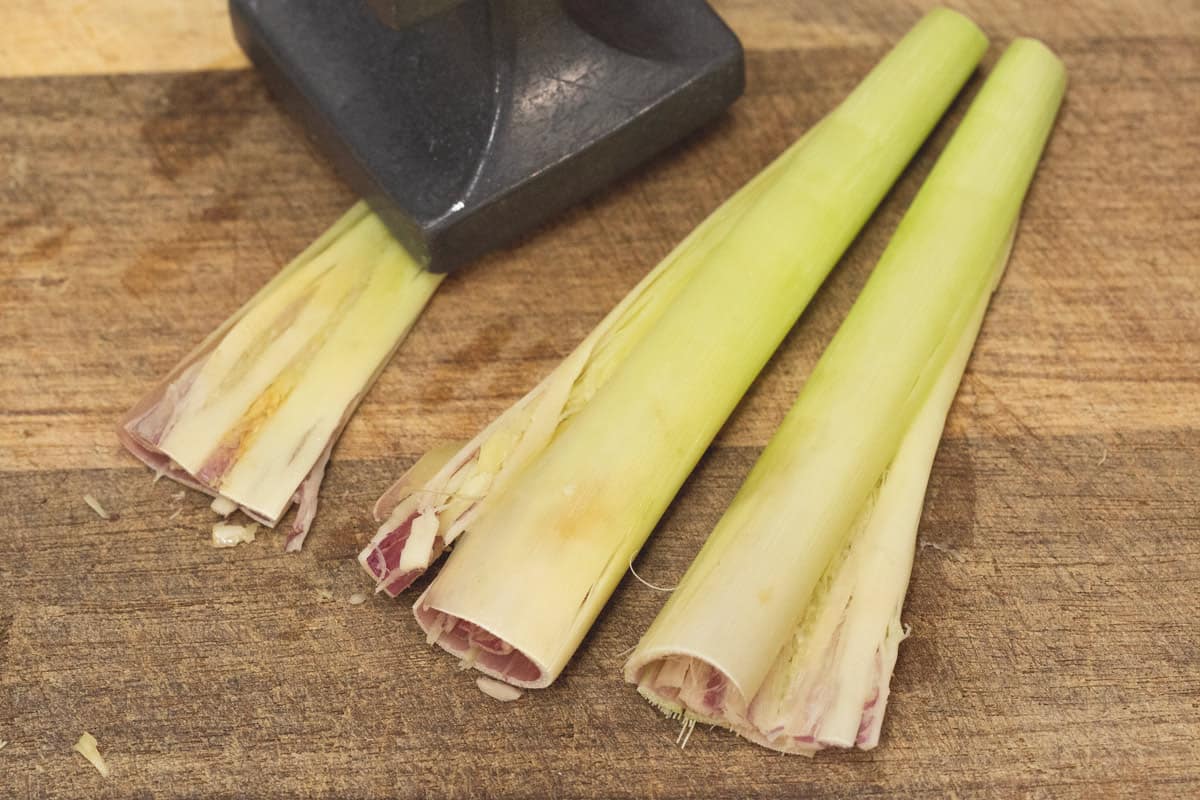
For stir-fries, sauces, and marinades, thinly slice or finely mince the tender inner stalk so it blends into the food.

You can also pound it with a mortar and pestle to release more flavor.
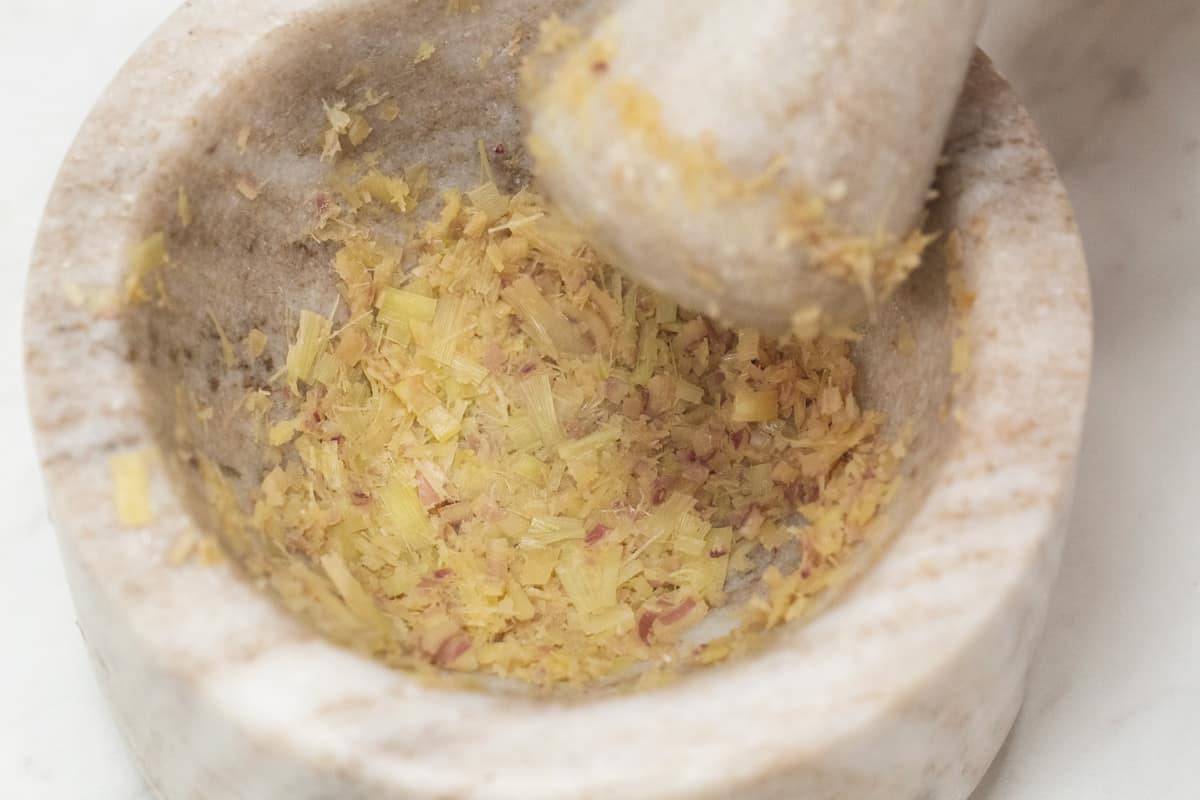
If you prefer a smoother texture, blend it in a blender or food processor.

The tougher upper stalks can still be used to flavor soups or broths - just remove them before serving. You can also use them to stuff lechon, lechon belly, and lechon manok.
You can also boil the stalks to make lemongrass tea. Rinse before cooking.

How to Buy Lemongrass
Look for stalks that are firm and pale green with a thick base.
The bottom should feel solid, not dry or hollow. Some dryness on the top is normal, but avoid stalks that are brown or moldy.
When you scratch or squeeze the stalk, it should smell fresh and lemony.
If fresh lemongrass isn't available, you can also find frozen stalks or lemongrass paste.

How to Store Lemongrass
Wrap fresh lemongrass in a paper towel and place it in a resealable bag. Store it in the refrigerator's crisper drawer.
It can stay fresh for up to 2 to 3 weeks.
If you won't use it right away, you can freeze it. Cut the stalks into smaller pieces and store them in an airtight container or freezer bag.
You can also blend lemongrass with a little water to make a paste, then freeze it in small portions for easy use later.
Filipino Dishes That Use Lemongrass
Lemongrass (tanglad) adds a fresh lemon flavor and helps reduce strong smells, especially in meat and fish dishes.
You'll often find it in:
- Tinola: Clear chicken soup with ginger and green papaya.
- Sinigang: Sour soup with meat or seafood and vegetables.
- Chicken inasal: Grilled chicken marinated with calamansi, vinegar, and lemongrass.
- Lechon manok: Roasted chicken stuffed with lemongrass and other aromatics.
- Lechon baboy: Whole roasted pig stuffed with a variety of herbs and spices, including lemongrass.
- Cebuchon (lechon Cebu): Rolled pork belly stuffed with herbs and roasted until the skin is crisp.
- Laing: Taro leaves cooked in coconut milk and shrimp paste.

FAQs About Lemongrass
No. They are related plants, but citronella is mostly used for oil and insect repellent. The lemongrass sold in markets is the edible kind used for cooking.
You can eat the tender inner stalk if it's finely chopped. The outer layers and upper stalks are too tough to chew.
The bottom, pale inner stalk is the edible part. The tough outer layers and upper green tops are usually removed or used only to flavor soups.
Yes. You can freeze whole stalks or cut them into pieces. Frozen lemongrass can go straight into soups or stews.
A mix of lemon zest and grated ginger is the closest substitute. The flavor won't be exactly the same, but it's similar.
More Filipino Ingredient Guides


Did you like this post? I would love to know! Your feedback helps me make better recipes. Please rate, review, or comment below. Questions about this post are welcome, too!
Let's connect on Facebook, Instagram, Pinterest, TikTok, Twitter, and Youtube. Be sure to tag me when you try any of my recipes @recipesbynora!



Marissa says
I honestly have not tried working with lemongrass but I have had chicken inasal at Filipino restaurants.
Nora Reyes says
Hello Marissa! That's alright! If you've enjoyed chicken inasal at Filipino restaurants, you're so close. =) Thanks for your message.