
Adobong pusit sa gata is a creamy version of Filipino squid adobo made with vinegar, soy sauce, and coconut milk.
It still has that familiar adobo flavor, but the coconut milk makes the sauce smoother and richer.
It's easy to make with simple ingredients and goes really well with rice.

Jump to:
Ingredients You'll Need
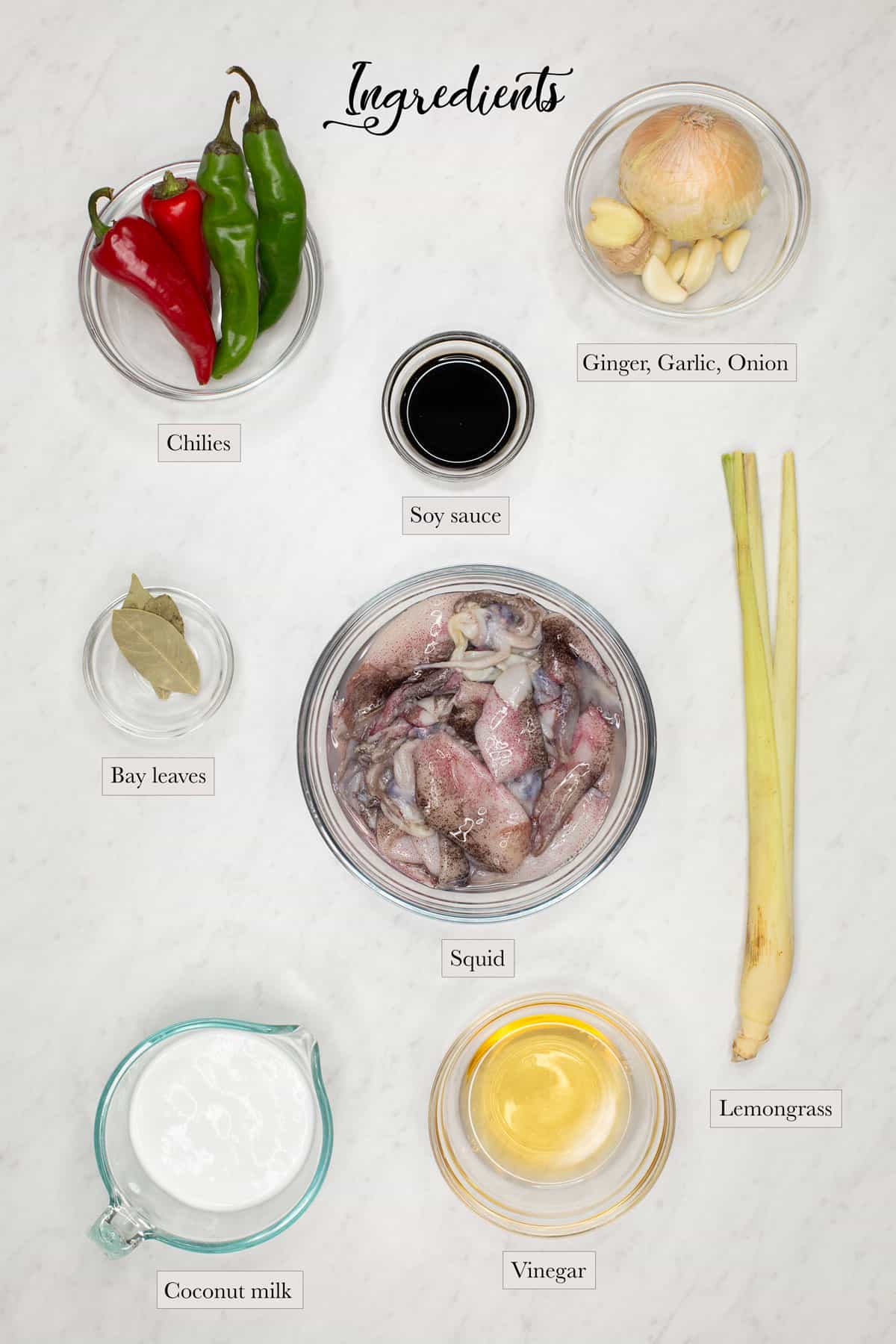
Notes and Substitutions
- Squid: I used baby squid because it's naturally tender and slightly sweet. Regular squid works too - just slice it into smaller pieces so it cooks evenly.
- Coconut milk: I used full-fat canned coconut milk, but fresh kakang gata (first press coconut cream) is better if you have it. If the sauce gets too thick, you can add a little water to thin it out.
- Lemongrass (optional): Add a stalk of smashed lemongrass for extra flavor. If you don't have any, you can skip it.
How to Make Adobong Pusit sa Gata (Step-by-Step)
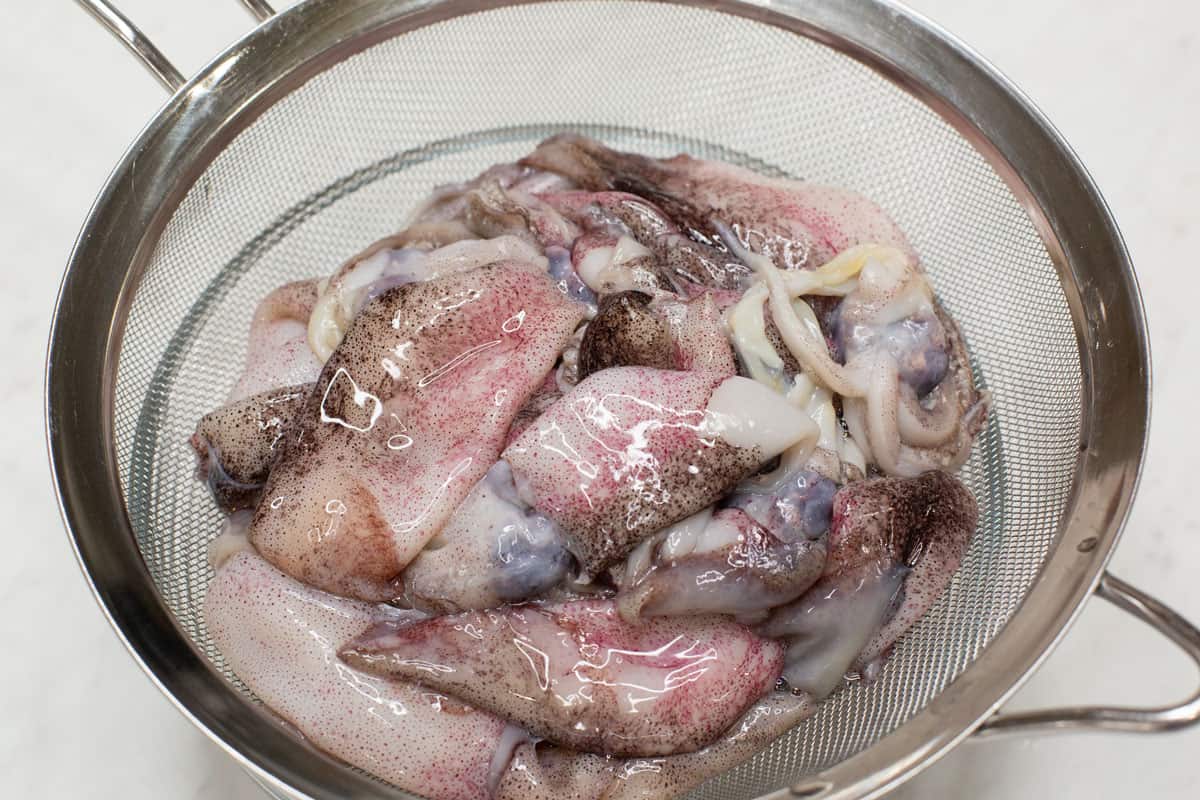
Step 1: Clean the squid
Rinse 2 pounds of squid under cold water, then:
- Pull off the head and remove the insides (save the ink sacs if using).
- Remove the clear cartilage from inside the body.
- Trim out the beak from the center of the tentacles.
- Rinse again and set aside.
For very small squid, you can keep the head and eyes attached so the tentacles stay intact but remove the beak and innards.
For larger squid, cut into bite-sized pieces (they'll shrink as they cook).
Need help cleaning squid? I've got a step-by-step guide you can check out.
Step 2: Sauté the aromatics
In a wok or large pan, heat some oil over medium heat. Add 2 tablespoons thin strips of ginger and cook for about a minute until fragrant.
Add 1 medium onion (chopped) and 6 garlic cloves (minced). Cook until softened and lightly caramelized.
Then, add 1 stalk lemongrass (smashed) and cook for another minute.
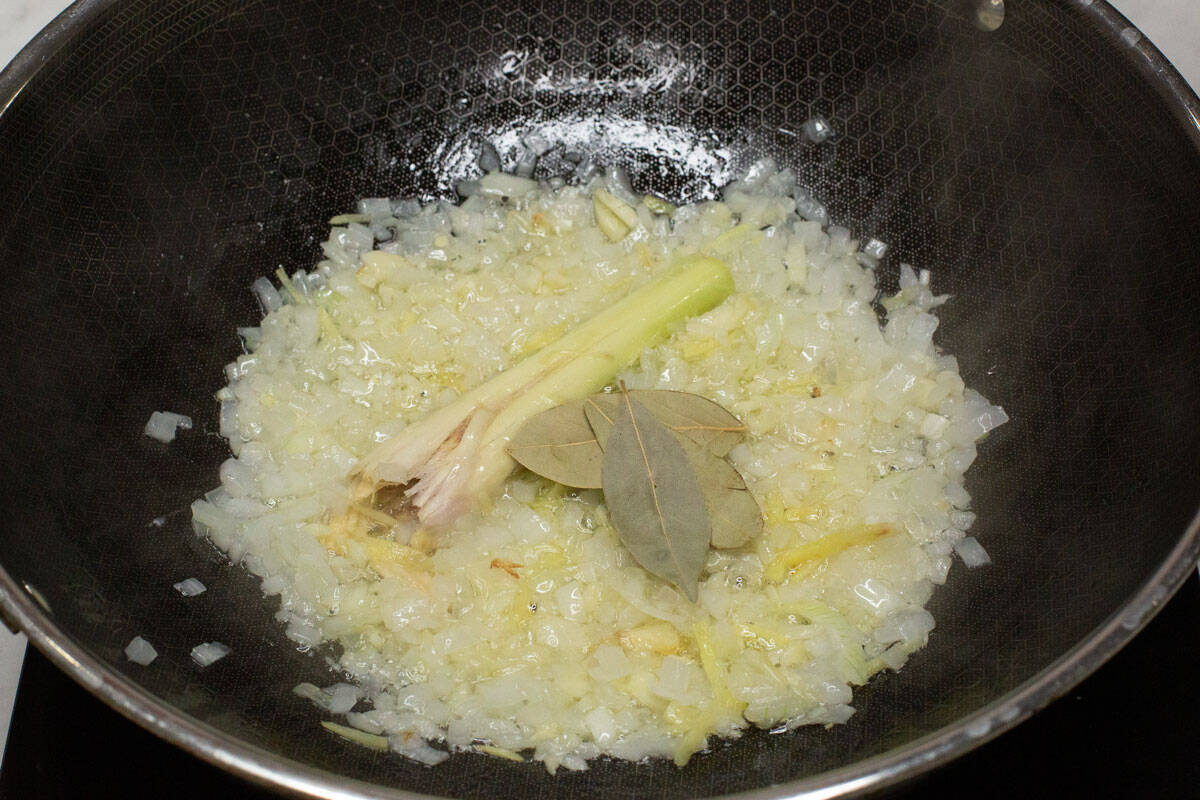
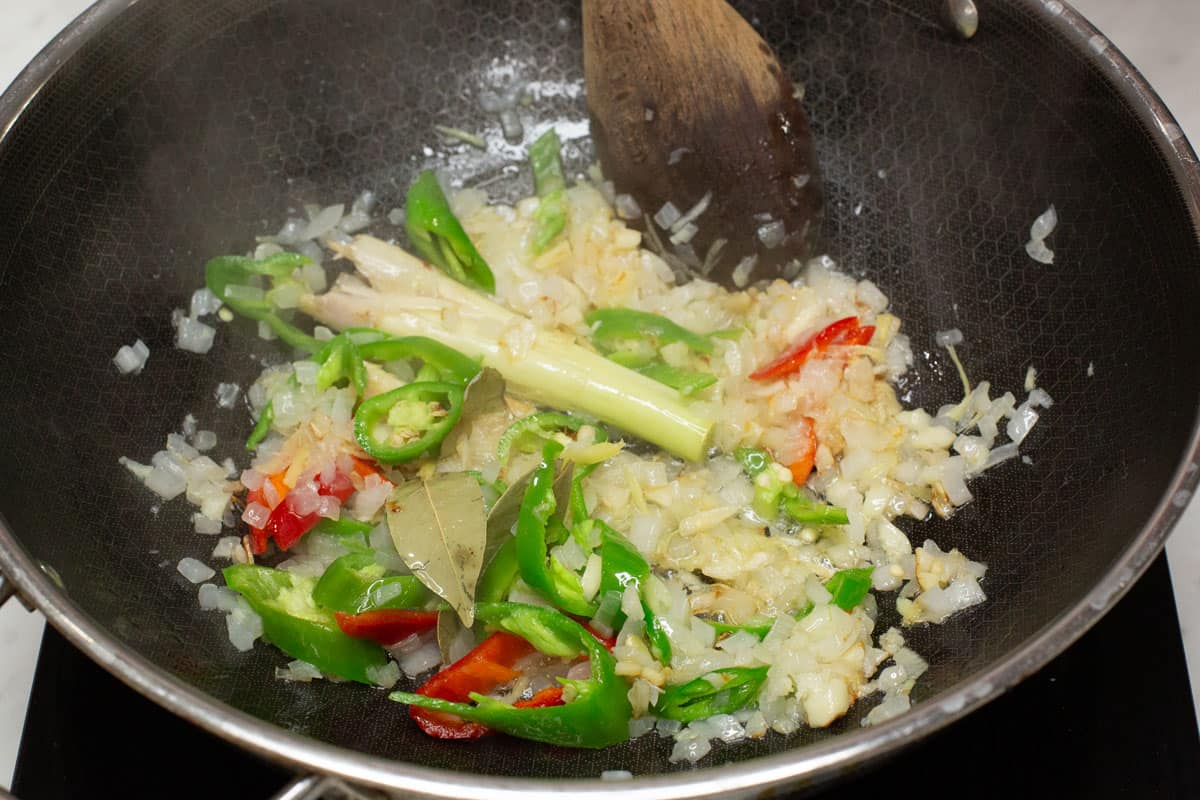
Add 3 bay leaves and a few sliced chilies, depending on how spicy you like it.
Season with a bit of ground black pepper. Set aside a few extra chilies if you want to add more heat later.
Step 3: Add the squid
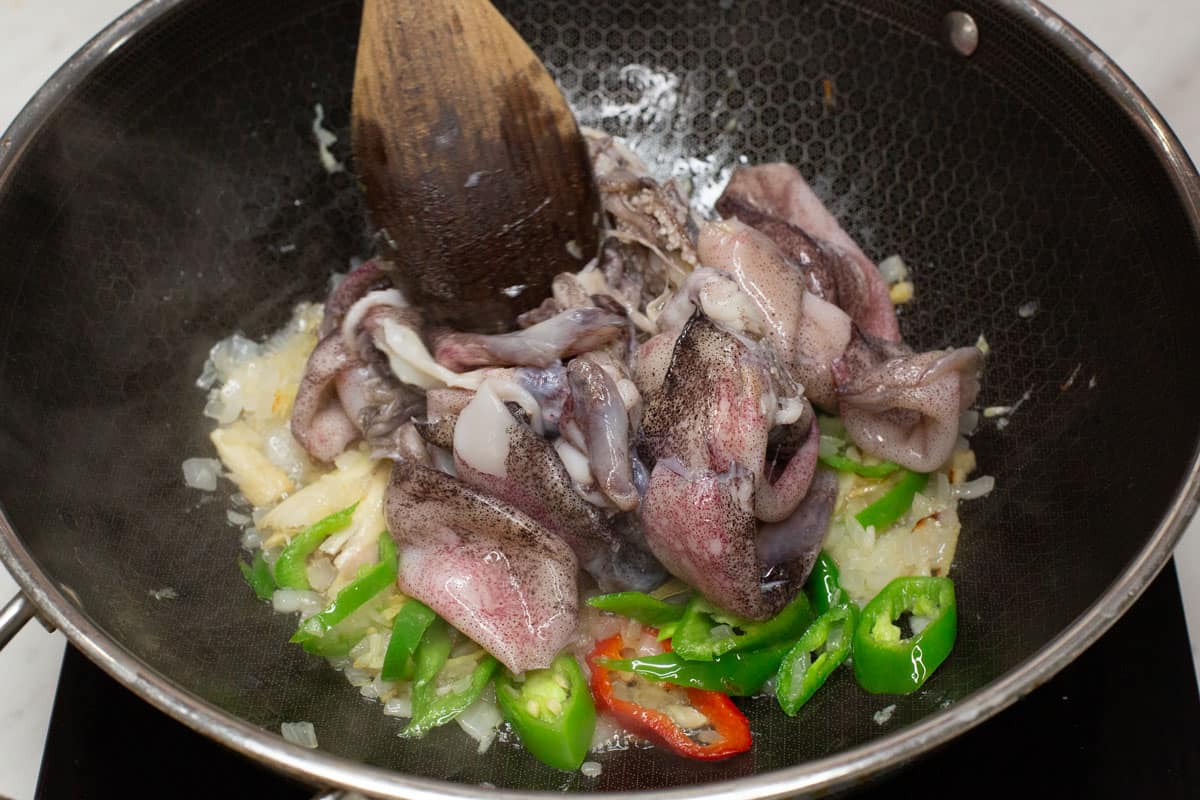
Turn up the heat to medium-high and add the squid. Stir to coat it with the aromatics.
The squid will release a lot of liquid. Let it simmer for a bit so some of it cooks off.
You do not need to dry it out, just reduce it enough so the sauce does not end up too watery.
Step 4: Season and add the squid ink
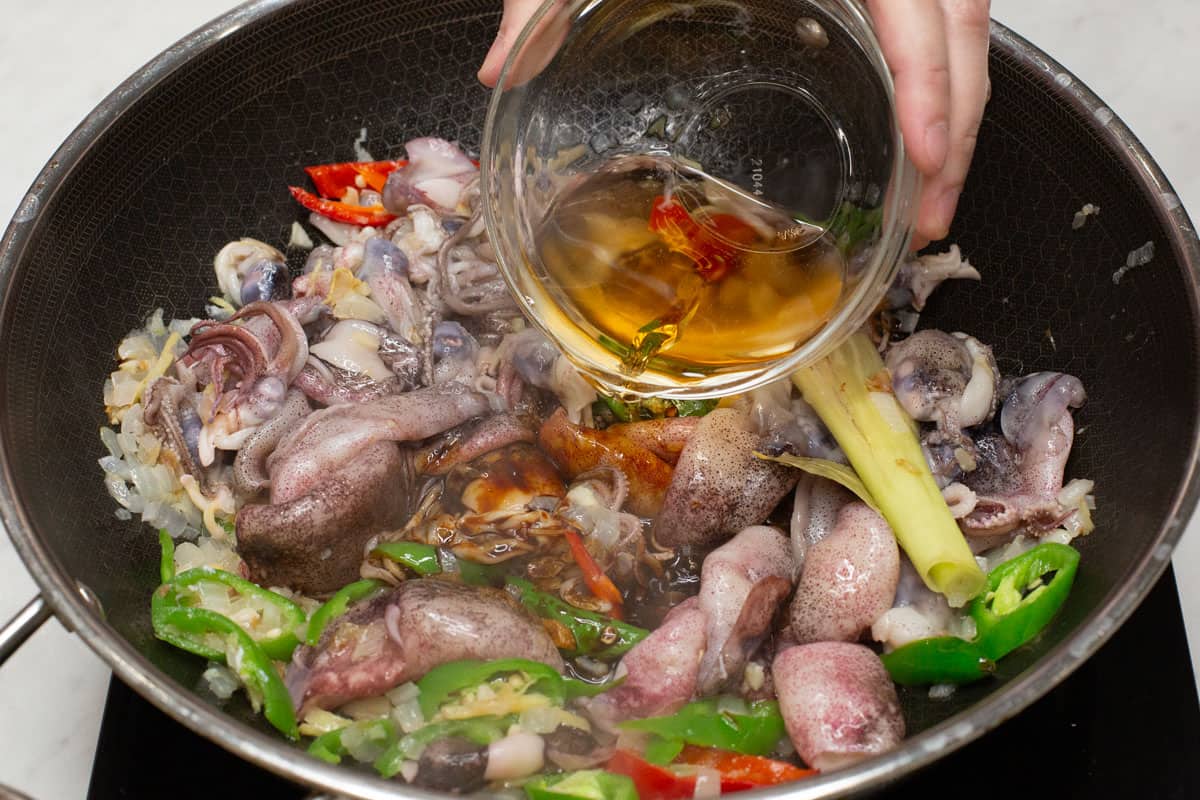
Pour in ½ cup vinegar and 2 tablespoons soy sauce. Let it boil for about a minute before stirring to mellow the sharpness of the vinegar.
If you've set aside the squid ink, add it in now (mix with a bit of warm water or sauce first). Stir everything together, then simmer for 2 minutes.
Step 5: Add the coconut milk
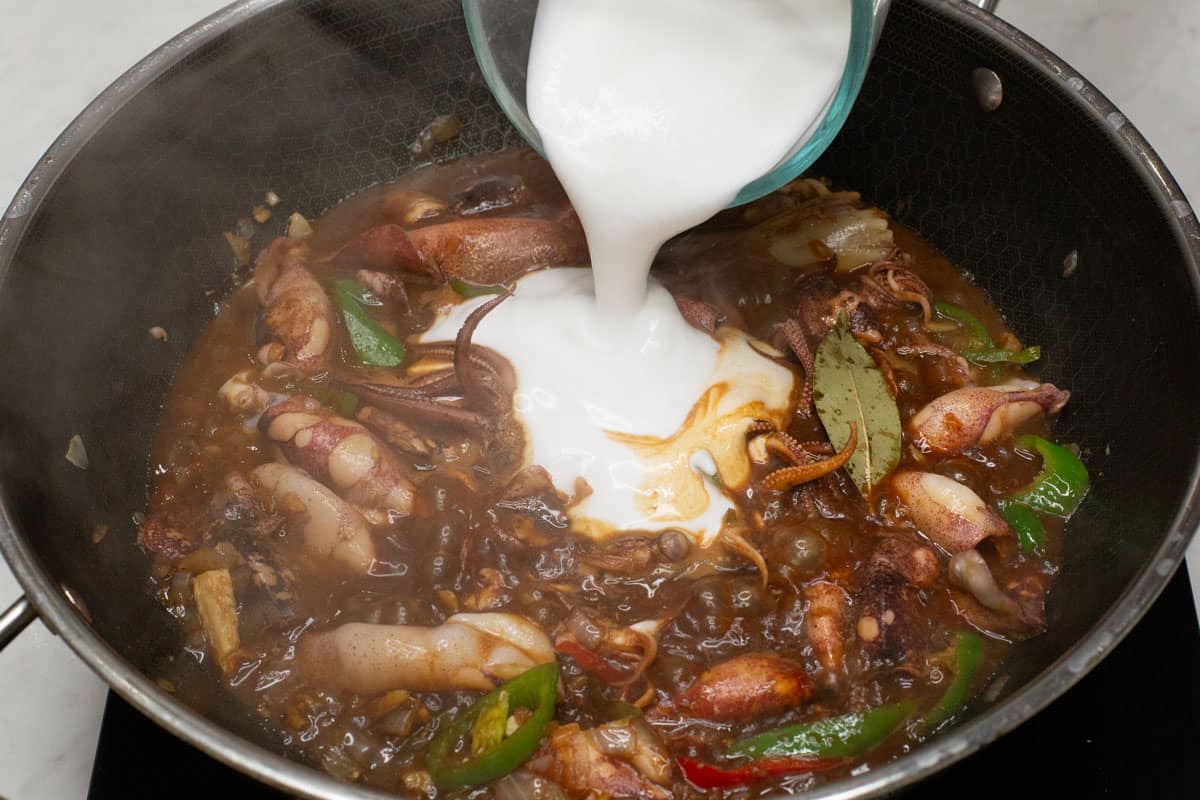
Pour in 1 cup of coconut milk and mix well.
Simmer over medium-low heat for about 15 minutes, until the squid is tender and the sauce thickens slightly. Stir occasionally so it doesn't stick or boil too hard.
Step 6: Season the sauce
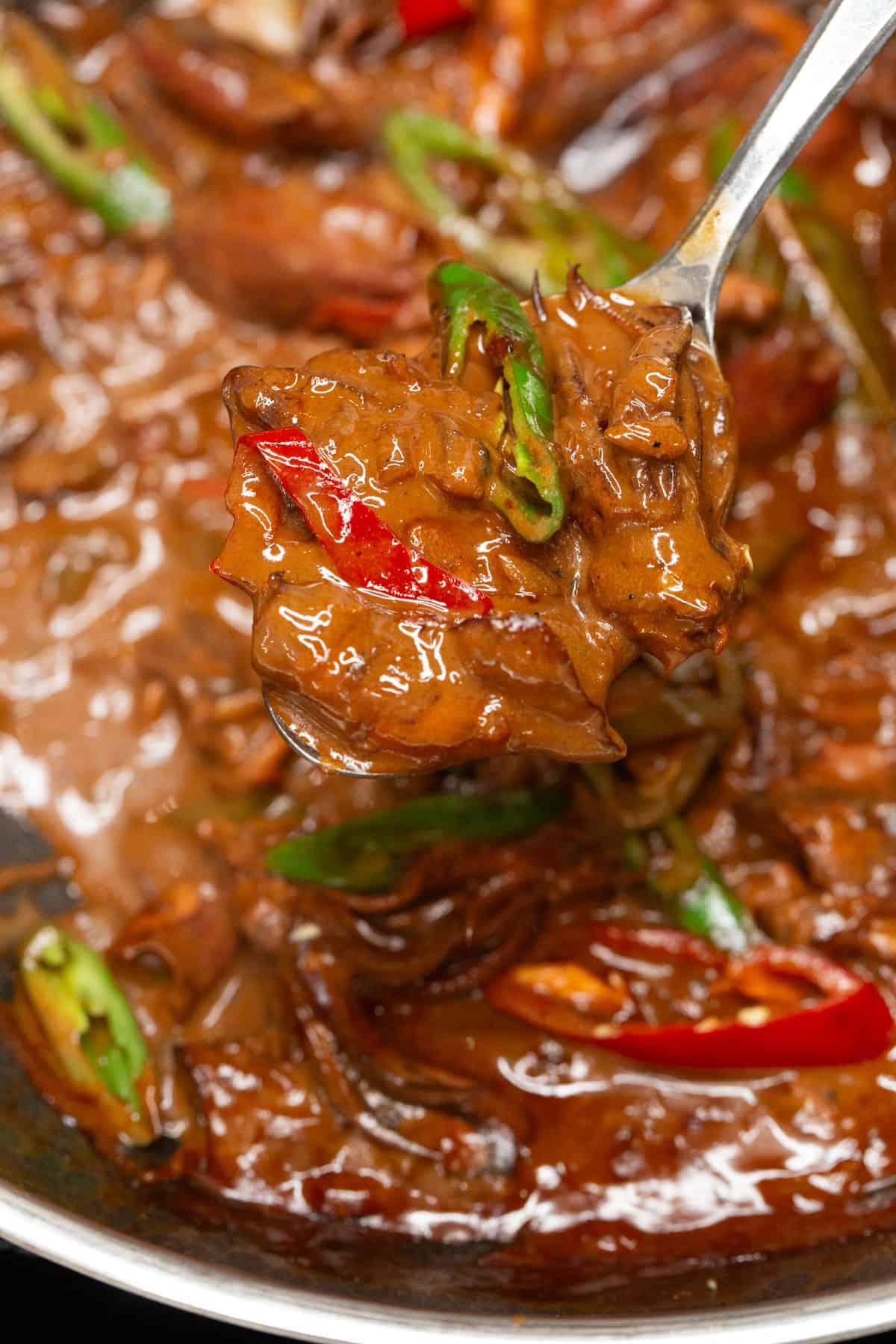
Once the sauce has thickened and the squid is tender, give it a taste.
Adjust the seasoning as needed. You can add fish sauce, salt, or a bit of sugar if needed.
You can also add more chilies here if you want extra heat. Then, turn off the heat.

Serve your adobong pusit sa gata warm with lots of rice. Enjoy!
How to Store
- Refrigerate: Let cool, then store in an airtight container in the fridge for up to 3 days.
- Reheat: Warm gently on the stove over low heat. Add a small amount of water or coconut milk if needed.
Cooking Tips
- Simmer gently so the squid turns tender, not chewy.
- Let the vinegar boil first before stirring to soften the sharp taste.
- Add coconut milk over low heat so it doesn't separate.
- Taste before adding more soy sauce-brands vary and it's easy to make this too salty.
- If the sauce gets too thick, add a splash of water.
Recipe FAQs
Adobong pusit sa gata is a creamy version of Filipino squid adobo cooked with vinegar, soy sauce, garlic, and coconut milk.
Squid can turn rubbery if overcooked. The key is to either cook it very quickly (2 minutes) over high heat or simmer it gently for a longer time (20 minutes) until tender.
Yes. You can skip the squid ink. The dish will be lighter in color, but it will still taste good.
More Filipino Dishes with Coconut Milk
- Ginataang kalabasa at sitaw: Squash and yardlong beans cooked in coconut milk.
- Laing: Taro leaves cooked in coconut milk and shrimp paste.
- Bicol express: Pork cooked in coconut milk with shrimp paste and chilies.
- Ginataang alimango: Crabs cooked in coconut milk, often with malunggay or chili leaves.
- Ginataang manok: Chicken stew with in coconut milk, green papaya, and chili leaves.
- Ginataang langka: Young jackfruit cooked with coconut milk and shrimp paste.
- Ginataang puso ng saging: Banana blossoms cooked in coconut milk.
- Ginataang pusit: Squid cooked in coconut milk with malunggay.
Seafood Recipes You May Like




Did you make this recipe? I would love to know! Your feedback helps me make better recipes. Please rate, review, or comment below. Questions about this recipe are welcome, too!
Let's connect on Facebook, Instagram, Pinterest, TikTok, Twitter, and Youtube. Be sure to tag me when you try any of my recipes @recipesbynora!
📖 Recipe

Adobong Pusit sa Gata (Squid Adobo with Coconut Milk)
Equipment
- Wok or large pan
Ingredients
- 2 pounds baby squid cleaned; ink sacs saved
- 2 tablespoons thin strips of ginger
- 1 medium onion chopped
- 6 garlic cloves minced
- 1 stalk lemongrass smashed
- 3 bay leaves
- 2-4 green or red chilies whole or sliced
- ½ cup vinegar
- 2 tablespoons soy sauce
- 1 cup coconut milk
- Fish sauce, salt, pepper, and sugar to taste
- Neutral oil (like canola or olive oil)
Instructions
- Over medium heat, sauté the ginger in a bit of oil for about a minute.Add the onion and garlic, then cook until softened and lightly golden.Add the smashed lemongrass and cook for another minute.
- Add bay leaves, chilies, and ground black pepper. Save extra chilies for later if you want more heat.
- Turn the heat to medium-high and add the squid. Stir to coat with the aromatics.Let it simmer for a bit so some of the liquid cooks off.
- Pour in the vinegar and soy sauce. Let it boil for about a minute without stirring.Add the squid ink, then stir and simmer for 2 more minutes.
- Pour in the coconut milk and stir.Simmer over medium-low heat for about 15 minutes, or until the squid is tender and the sauce thickens slightly. Stir occasionally.
- Taste the sauce and adjust as needed. Then, turn off the heat.
Notes
- Squid: I used baby squid because it's naturally tender and slightly sweet. Regular squid works too - just slice it into smaller pieces so it cooks evenly.
- Coconut milk: I used full-fat canned coconut milk, but fresh kakang gata (first press coconut cream) is better if you have it. If the sauce gets too thick, you can add a little water to thin it out.
- Lemongrass (optional): Add a stalk of smashed lemongrass for extra flavor.
- Refrigerate: Store in an airtight container for up to 3 days.
- Reheat: Warm gently over low heat. Add a splash of water or coconut milk if needed.
- Simmer gently so the squid turns tender, not chewy.
- Add coconut milk over low heat so it doesn't separate.
- Taste before adding more soy sauce.
- If the sauce gets too thick, add a splash of water.


Dennis says
Is this differenr from adobong pusit? The taste i mean.
Nora Reyes says
Hi Dennis! Kind of! It still has that familiar adobo flavor—savory and a little tangy—but the coconut milk makes it richer and creamier. It’s like a combo of adobong pusit and ginataan.