
Corn, or mais in Filipino, is a familiar ingredient in many kitchens around the world. In the Philippines, corn shows up in both everyday dishes and desserts.
Sweet corn is especially popular and is often boiled, grilled, or added to dishes like ginataang mais, binatog, and maja blanca.
There are also different types of corn, and each one is used a little differently. Some are eaten fresh, while others are used to make ingredients like cornmeal, cornstarch, or popcorn.
In this guide, we'll look at the different types of corn and how corn is used in cooking.

Jump to:
What is Corn?
Corn is a grain that grows on tall plants and produces ears filled with rows of kernels.
Each ear is wrapped in green leaves called husks. When you peel them back, you'll see the kernels on the cob along with the thin strands called corn silk.
Corn can be eaten fresh, like corn on the cob, or the kernels can be cut off and used in many dishes. It's also used to make ingredients like cornmeal, cornstarch, and corn oil.
Today, corn is grown all over the world and used in many different ways, from simple home cooking to many everyday food products.

Types of Corn
There are many types of corn, but some are more commonly used in cooking. Each type has a different texture and purpose.
Sweet Corn
Sweet corn is the type most people are familiar with. It has tender, juicy kernels and a naturally sweet flavor. It's usually eaten fresh, boiled, grilled, or added to dishes and desserts.

Waxy or Glutinous Corn
Often called lagkitan in the Philippines, this type becomes slightly sticky when cooked. It's commonly used in snacks like binatog and kornik.

Baby Corn
Baby corn is harvested very early while the ears are still small. The entire ear, including the cob, is tender and edible. It's often used in stir-fries and salads.

Dent Corn (Field Corn)
Dent corn is mostly used for making corn products like cornmeal, corn flour, and corn syrup. It's also widely grown for animal feed.

Flint Corn
Flint corn has a hard outer layer and comes in many colors. It's often used to make foods like hominy, grits, and masa. Some varieties are also used to make popcorn.

Flour Corn
Flour corn has soft, starchy kernels that are easy to grind. It's commonly used to make corn flour and other corn-based products.

Popcorn
Popcorn is a special type of corn that pops when heated. The kernels contain a small amount of moisture that turns into steam, causing them to burst open.

How to Pick Fresh Corn
When buying fresh corn, look for these signs:
- Bright green husks: The husks should look fresh and tightly wrapped around the cob. If they look dry or yellow, the corn may be older.
- Fresh corn silk: The threads at the top should be light brown or golden and a little sticky. If they're very dry or black, the corn is probably not very fresh.
- Plump kernels: Gently press the cob through the husk. The kernels underneath should feel full and firm.
- No holes in the husk: Tiny holes near the top can mean insects got to it.
Corn tastes best when it's fresh, so try to use it soon after buying it.
How to Store Corn
Fresh corn is best when you cook it soon after buying it. The natural sugars start turning into starch over time, so it won't taste as sweet.
If you're not using it right away, keep the corn in the refrigerator with the husks still on. The husks help protect the kernels and keep them from drying out.
You can place the ears in a loose plastic bag and store them in the crisper drawer.
For the best flavor, try to use fresh corn within a few days.
If you want to keep it longer, you can cut the kernels off the cob and freeze them.
How to Shuck Corn
To shuck corn, start by holding the ear at the base. Grab the tassel and the top of the husk, then pull it down toward the base of the cob.
The husk should peel away easily. You may need to pull it down in a few sections to remove all the layers.
After removing the husk, brush off the corn silk (the thin threads stuck to the kernels). You can do this with your hands or rinse the cob briefly under cool water.
Once the husk and silk are removed, the corn is ready to cook or use in recipes.

How to Cut Corn Off the Cob
If you need the kernels for a recipe, you can easily cut them off the cob.
Stand the corn upright in a large bowl. This helps catch the kernels so they don't scatter everywhere.
Using a sharp knife, slice downward along the cob, cutting off the kernels. Turn the cob and continue cutting until all the kernels are removed.

You can also lay the cob on a cutting board and slice the kernels off one side at a time.
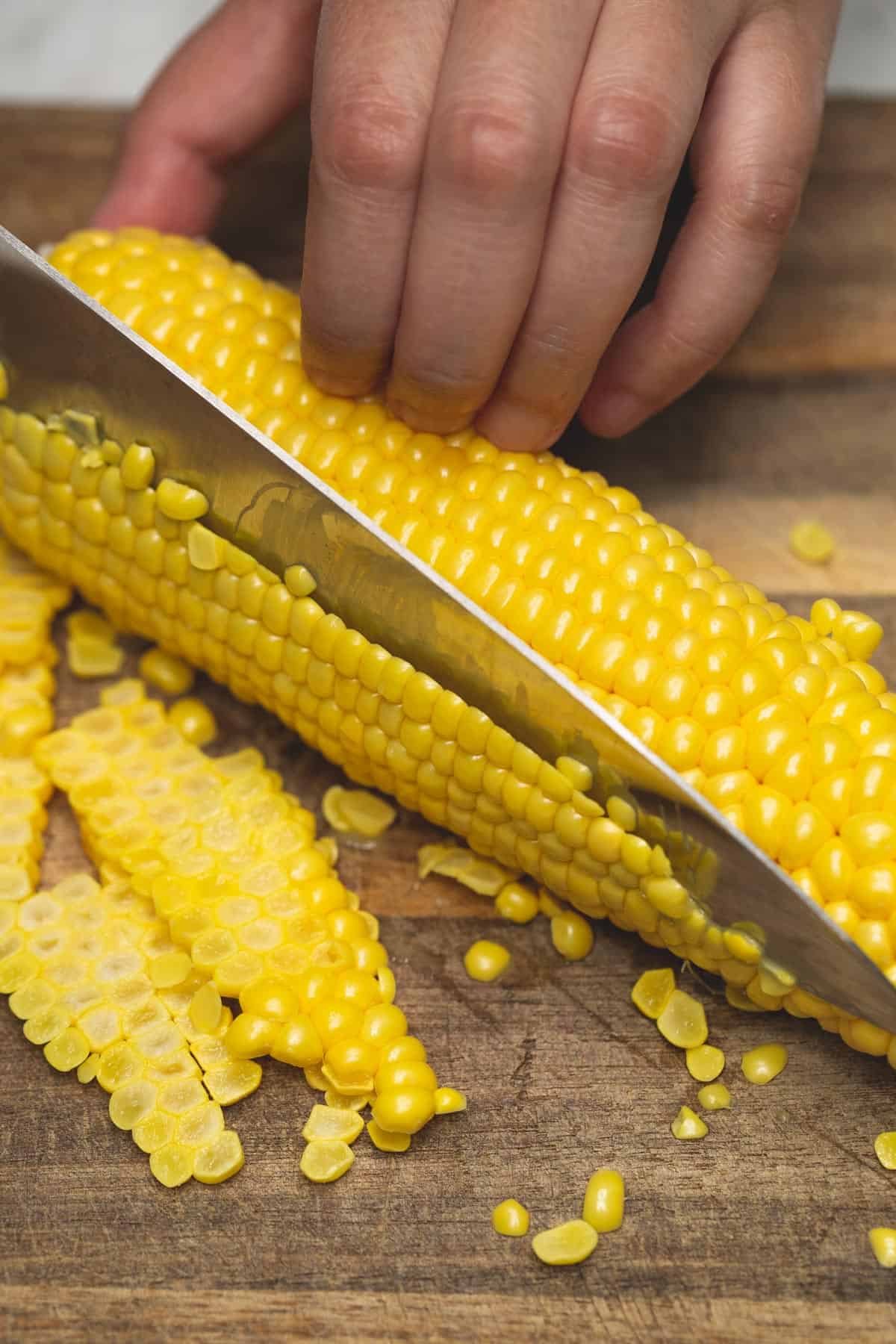
Once the kernels are removed, they're ready to use in soups, stir-fries, salads, or other dishes.
How to Boil Corn on the Cob
- Bring water to a boil. Fill a large pot with water and bring it to a boil.
- Add the corn. Once the water is boiling, add the shucked corn.
- Cook for 3 to 5 minutes. The kernels should be tender and bright yellow.
- Remove and serve. Use tongs to remove the corn from the pot. Serve with butter, salt, or your favorite seasonings.

How to Grill Corn on the Cob
Grilling corn brings out its natural sweetness and adds a light smoky flavor. You can grill it with the husk on or removed.
With the husk on
- Place the corn directly on the grill over medium heat.
- Grill for about 15 to 20 minutes, turning occasionally.
- The husk will char on the outside while the corn steams inside.

Without the husk
- Remove the husks and silk from the corn.
- Lightly brush the corn with oil or melted butter.
- Grill over medium heat for about 5 to 8 minutes, turning occasionally until lightly charred.

Grilled corn can be served with butter, salt, or other seasonings.
Common Corn Products
Corn is used to make many ingredients we use in everyday cooking. Here are some common ones:
- Cornstarch: A fine white powder used to thicken sauces, soups, and desserts.
- Cornmeal: Ground dried corn used to make foods like cornbread, polenta, and grits.
- Corn oil: A cooking oil often used for frying because it has a high smoke point.
- Corn syrup: A sweetener used in many candies, baked goods, and processed foods.
- Popcorn: Dried corn kernels that pop when heated, often eaten as a snack.
- Corn tortillas: Made from ground corn (masa harina) and used in many Mexican dishes.
Corn is also used in many packaged foods. Ingredients made from corn may appear in things like cereals, baked goods, sauces, candies, and beverages.
Filipino Recipes with Corn
Corn is used in many Filipino dishes, both savory and sweet. Here are some popular examples:
- Binatog: A snack made from boiled white corn kernels, usually topped with grated coconut and salt.
- Mais con hielo: A shaved ice dessert made with sweet corn, sugar, and evaporated milk.
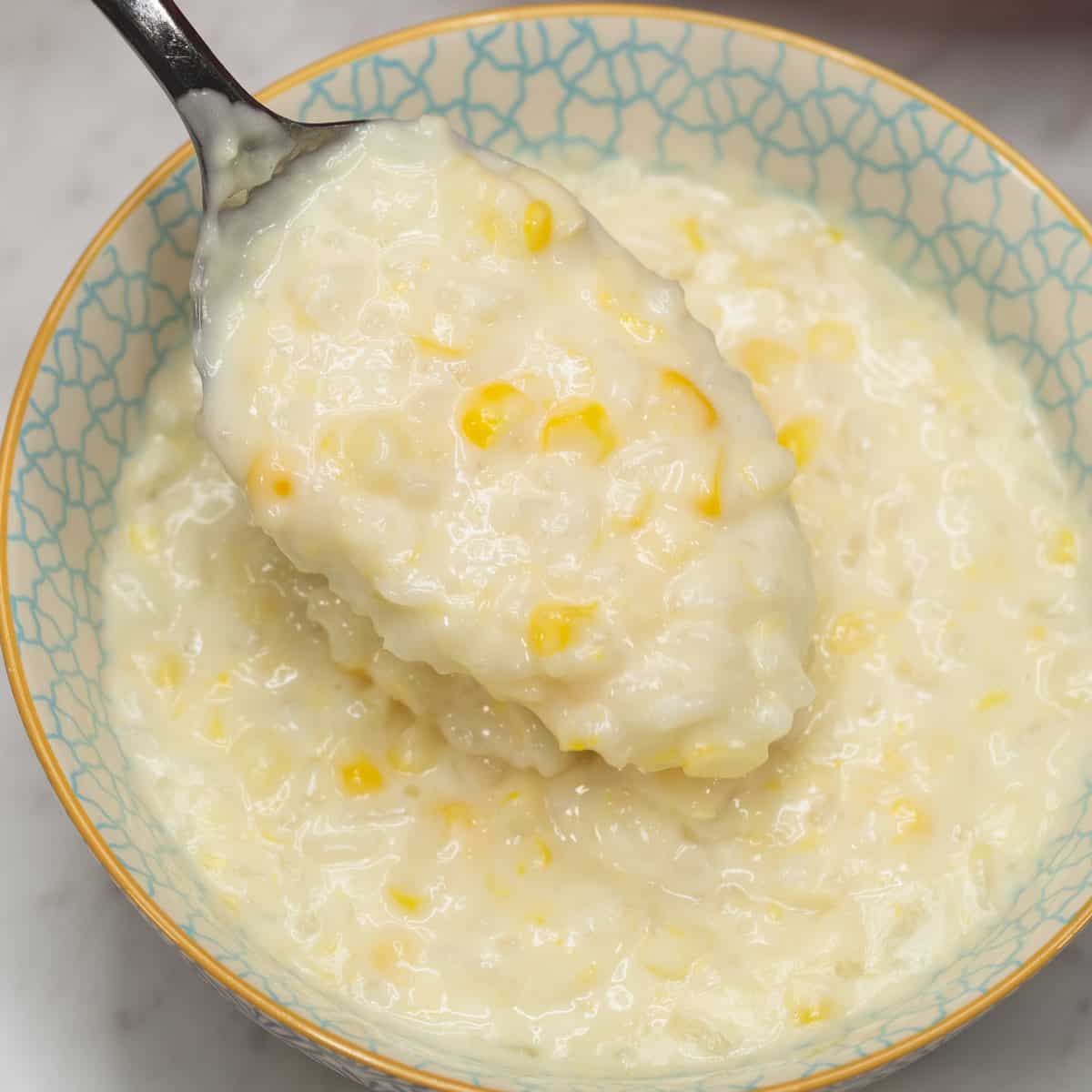
- Ginataang mais: A sweet porridge made with sweet corn, glutinous rice, and coconut milk.
- Halo-halo: A shaved ice dessert that often includes sweet corn along with beans, fruits, jellies, and ice cream.
- Maja blanca: A creamy coconut dessert with sweet corn, thickened with cornstarch.
- Nilaga: A boiled soup made with meat and vegetables, sometimes served with corn on the cob.
- Chopsuey: A stir-fried vegetable dish that often includes baby corn.
- Sweet corn ice cream (sorbetes): A Filipino-style ice cream flavored with sweet corn.
- Chicken and corn soup: A light soup made with chicken, corn, and egg ribbons.
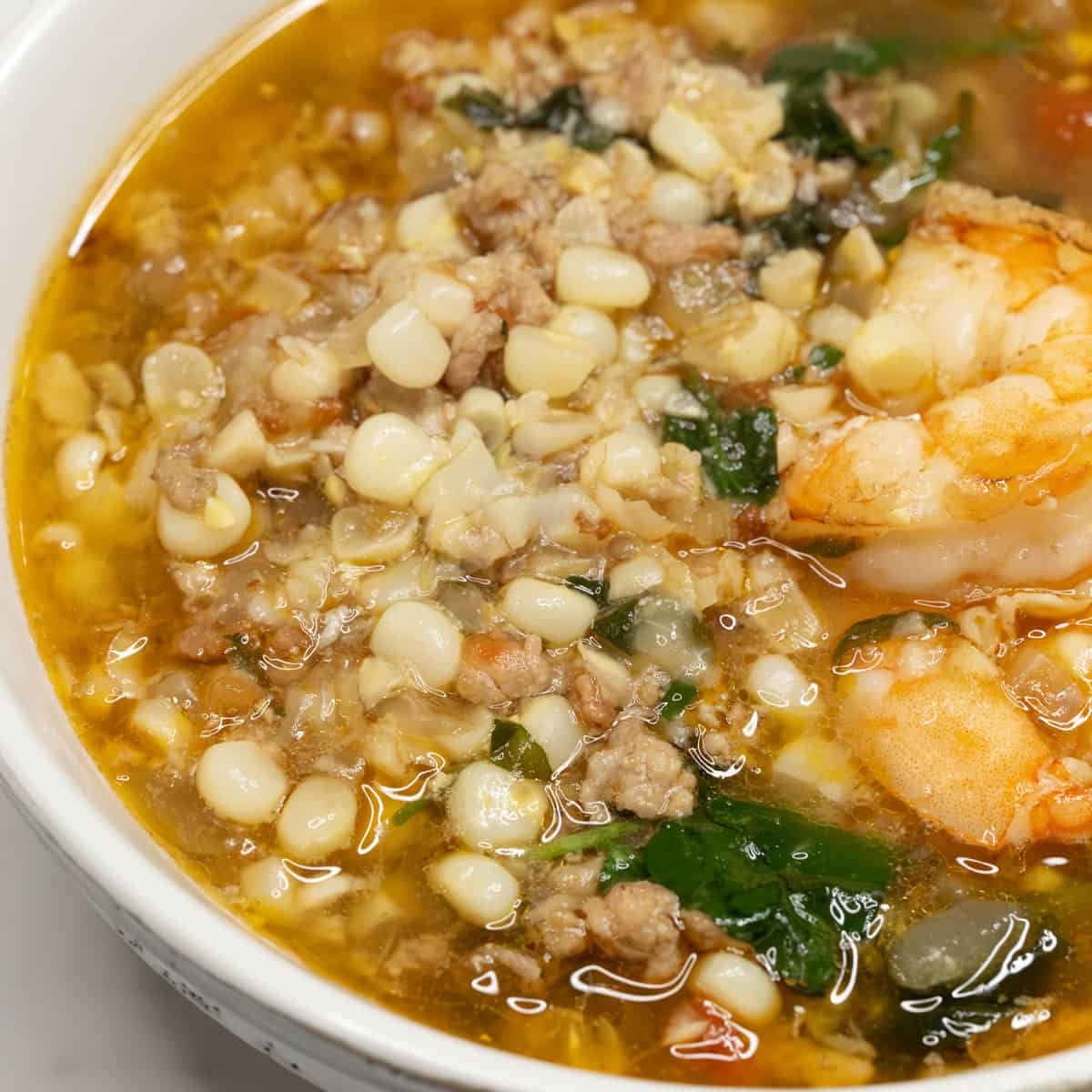
- Ginisang mais: Sweet corn sautéed with aromatics, vegetables, and sometimes pork or shrimp.
- Adobong mais: Sautéed sweet corn with garlic and butter.
FAQS About Corn
Corn is technically a grain. However, when it's eaten fresh like sweet corn, it's often treated as a vegetable in cooking.
Sweet corn is the type most commonly eaten fresh. It has tender kernels and a naturally sweet flavor, which makes it popular for boiling, grilling, and adding to dish
Yes, fresh sweet corn can be eaten raw. The kernels are tender and slightly sweet, especially when the corn is very fresh.
After corn is harvested, its natural sugars slowly turn into starch. This is why corn tastes best when it's cooked soon after buying it.
Yes. Corn kernels can be cut off the cob and frozen. Freezing helps preserve the flavor so you can use it later in soups, stir-fries, or other dishes.
Some corn grown in the United States is genetically modified to help protect crops from pests or improve yield.
However, both GMO and non-GMO corn are widely consumed and used in many foods.
More Filipino Food Guide


Did you like this post? I would love to know! Your feedback helps me make better recipes. Please rate, review, or comment below. Questions about this post are welcome, too!
Let's connect on Facebook, Instagram, Pinterest, TikTok, Twitter, and Youtube. Be sure to tag me when you try any of my recipes @recipesbynora!


Ryan says
I didn’t know there are this many corn. Haha thanks for sharing!
Nora Rey says
Right? There's a whole world of corn varieties out there! Glad you found it interesting. Always happy to share!