
If you grew up in the Philippines, these fruits might remind you of backyard trees, street vendors, or snacks after school. If you're new to Filipino food, this is also a good place to start.
Because the Philippines has warm weather, so many fruits grow throughout the year.. Some are sweet, some are sour, and some may taste unfamiliar at first.
Many of these fruits are everyday snacks for Filipinos, but they might be new if you didn't grow up with them.
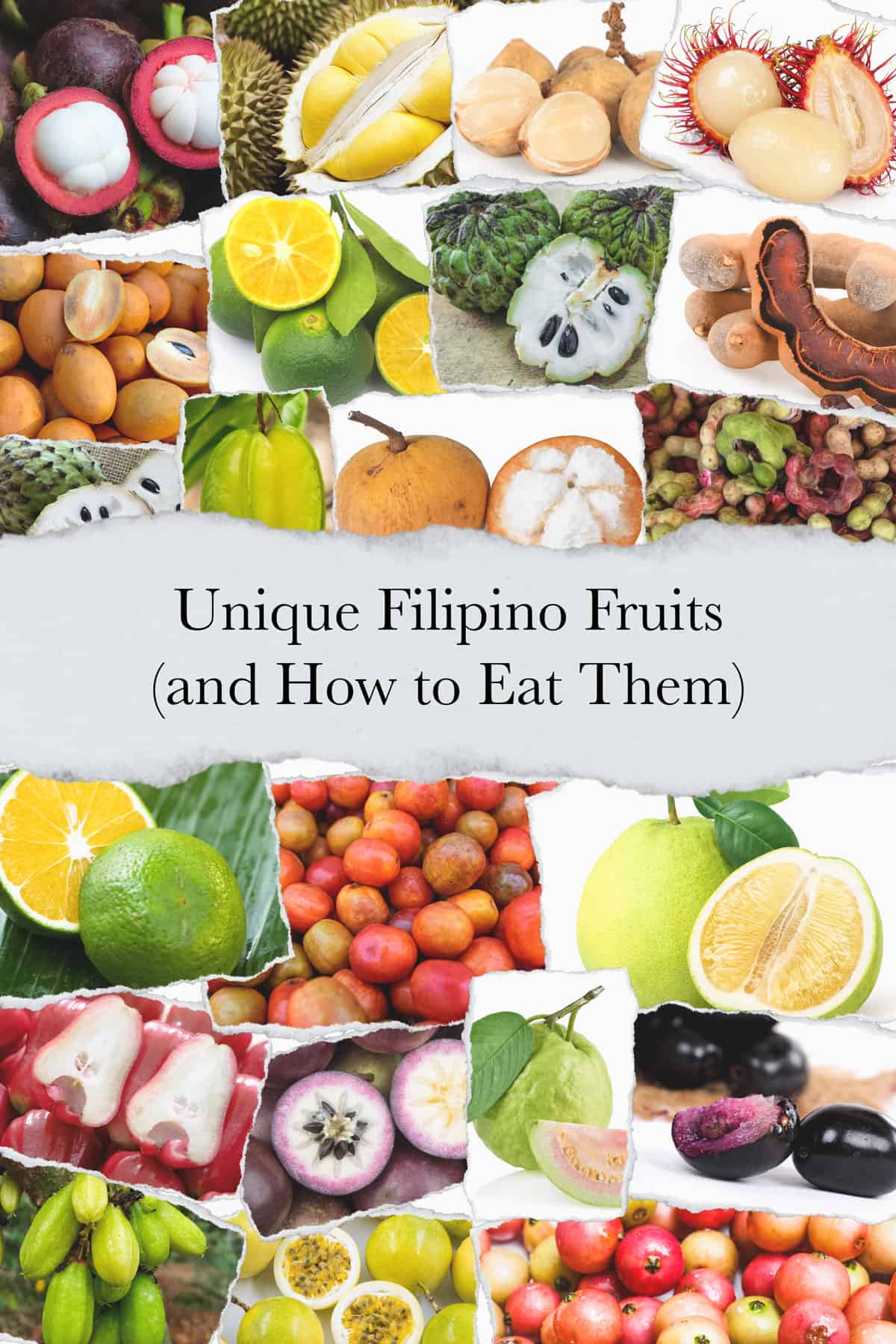
In this guide, I'm sharing unique Filipino fruits - what they look like, what they taste like, how they're usually eaten, and where you can find them. Everything is kept simple and easy to follow, especially if you're trying these fruits for the first time.
Jump to:
Filipino Fruits and Everyday Life
Some fruits in the Philippines grow naturally there, while others arrived long ago through trade and travel. Over time, they all became part of everyday Filipino food.
You'll see these fruits sold by street vendors and in local markets, grown in backyards, and shared with family and neighbors.
They're eaten as snacks, used in drinks, desserts, and yes - used in cooking too. For many Filipinos, they're just part of everyday life.
Unique Filipino Fruits to Know
While the Philippines is known for mangoes, coconuts, and pineapples, there are many other fruits that don't get talked about as much. These are everyday fruits in Filipino homes, even if they're harder to find outside the country.
Mangosteen
Also called: Queen of fruits

What It Looks Like: A small, round fruit with thick dark-purple skin. Inside are soft white sections that look similar to citrus segments.
What It Tastes Like: Mostly sweet, with a little sour taste. The flesh is soft and creamy.
How It's Usually Eaten: Crack open the purple skin, eat the white flesh inside, and discard the skin and seeds. Also used in desserts and beverages.
Where to Find It: Seasonal in the Philippines and Southeast Asia. In the U.S., look for it at Asian markets or specialty fruit stores.

Durian
Also called: King of fruits

What It Looks Like: Looks similar to jackfruit on the outside, durian is a large, round fruit with a hard shell and sharp spikes. Inside are soft yellow pods of flesh, each with a large seed.
What It Tastes Like: Rich and creamy, with a strong flavor. Some people say it tastes sweet and buttery. Others find it overwhelming. It's one of those fruits you either love or don't.
How It's Usually Eaten: The shell is opened, and the soft yellow flesh inside is eaten fresh. It's also used in desserts, ice cream, and baked treats. The seeds are edible when cooked.
Where to Find It: Common in Southeast Asia during season. In the U.S., look for frozen or fresh durian at Asian markets.

Lanzones
Also called: Langsat, Longkong

What It Looks Like: Small round fruits with pale yellow skin that peels easily. Inside are clear, juicy sections with a few seeds.
What It Tastes Like: Mostly sweet with a slight sour taste.
How It's Usually Eaten: Eaten fresh. Peel the skin, eat the flesh, and discard the bitter seeds.
Where to Find It: Seasonal in the Philippines. Sometimes available in Asian markets.

Rambutan

What It Looks Like: Red fruit with soft "hair" on the outside. Inside is white flesh with one large seed.
What It Tastes Like: Sweet and juicy, similar to lychee.
How It's Usually Eaten: Peel the skin and eat the white flesh.
Where to Find It: Asian markets, especially when in season.

Calamansi
Also called: Philippine lime, calamondin

What It Looks Like: Calamansi is a small round citrus fruit that's green when unripe and orange when ripe.
What It Tastes Like: Very sour, similar to lime, but with a citrus flavor that reminds you of orange, but not sweet at all.
How It's Usually Eaten: Used as a souring agent in dishes, dipping sauces, desserts, and drinks.
Where to Find It: Fresh calamansi can be hard to find. It's more commonly sold as bottled or frozen juice in Filipino and Asian markets.

Chico
Also called: Sapodilla

What It Looks Like: Small to medium brown fruit with thin skin and soft, brown flesh inside.
What It Tastes Like: Sweet, with a flavor similar to pear mixed with brown sugar. The flesh is soft but slightly grainy.
How It's Usually Eaten: Wait until the fruit is fully ripe, then cut it in half and scoop out the soft flesh with a spoon. Remove and discard the hard black seeds. The skin is usually not eaten.
Where to Find It: Fresh chico can be hard to find. It's sometimes available at Asian or Latin markets.
Atis
Also called: Sugar apple
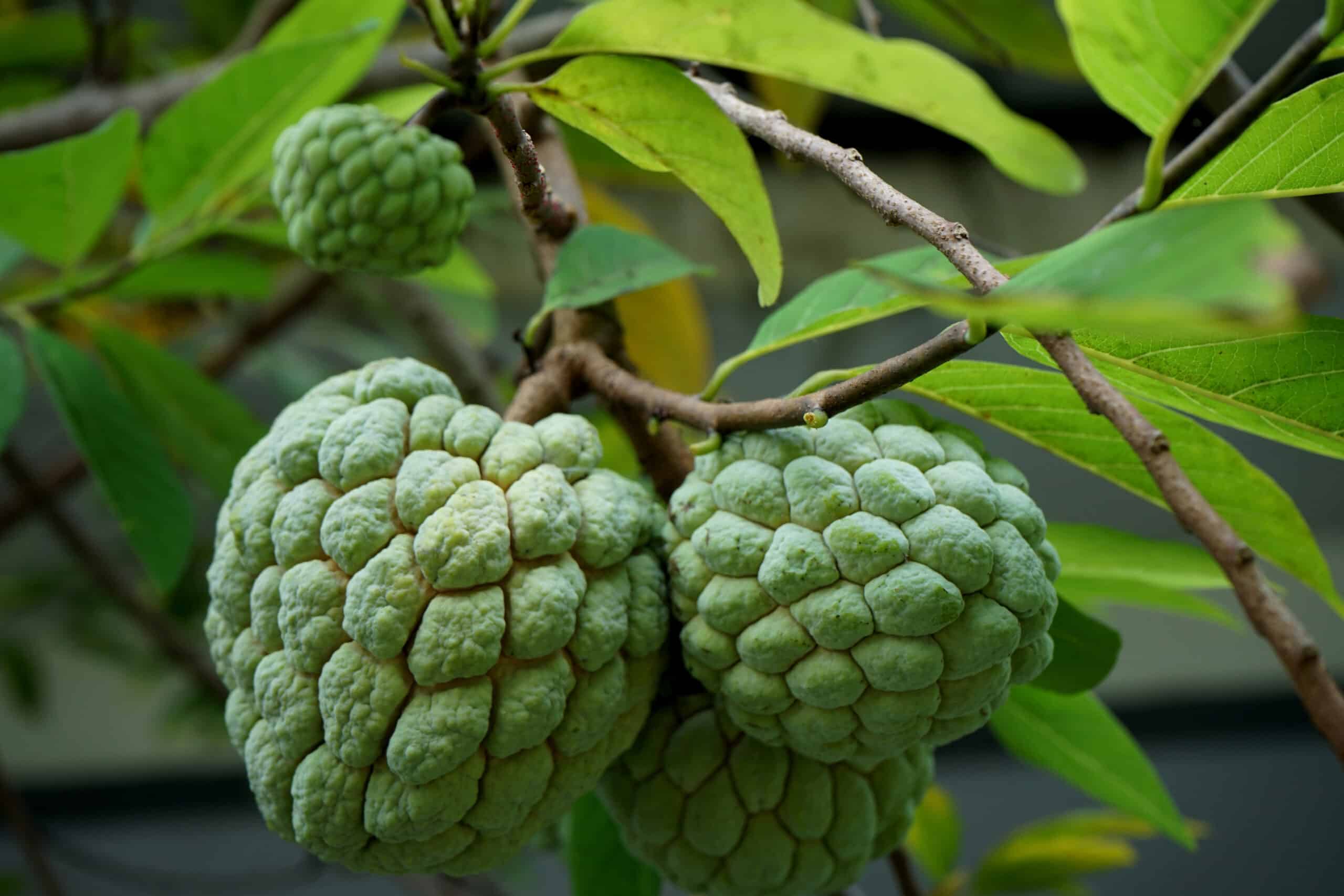
What It Looks Like:
Green bumpy skin with soft white flesh inside and large black seeds.
What It Tastes Like: Sweet with a mild, slightly milky taste. The flesh is very soft and creamy - almost like eating custard.
How It's Usually Eaten: Split it open and pull apart the soft sections. Eat the flesh and discard the black seeds.
Where to Find It: Not always easy to find. Sometimes available at Asian markets during season.

Guyabano
Also called: Soursop, Graviola

What It Looks Like: A large green fruit with soft spikes on the outside. Inside is white flesh with many large black seeds.
What It Tastes Like: Sweet and sour at the same time, similar to a mix of pineapple and strawberry. The flesh is soft and creamy, but with a slight stringy texture.
How It's Usually Eaten: Used in smoothies, juice, ice cream, and desserts. The flesh can also be eaten fresh. Seeds are removed and not eaten.
Where to Find It: Fresh guyabano can be hard to find. It's more commonly sold frozen or as pulp at Asian or Latin markets.

Balimbing
Also called: Star fruit

What It Looks Like: Yellow-green fruit with ridges along the sides. When sliced crosswise, it forms a star shape.
What It Tastes Like: Crisp and juicy. Some are sour, while others are mildly sweet. Riper fruits are usually sweeter.
How It's Usually Eaten: Sliced and eaten fresh. It's also added to salads or used as a garnish. The skin is edible.
Where to Find It: Often available at Asian markets and sometimes at regular grocery stores.
Camachile
Also called: Manila tamarind

What It Looks Like: Green, curved pods that split open when ripe. Inside is soft white or pinkish flesh wrapped around hard black seeds.
What It Tastes Like: Sweet with a little sour. The flesh is soft and juicy.
How It's Usually Eaten: Open the pod and eat the soft flesh around the seed. Spit out or discard the hard seeds. The pod itself is not eaten.
Where to Find It: Not very common. Sometimes available at Filipino or Latin markets, usually when in season.
Sampalok
Also called: Tamarind

What It Looks Like: Sampalok has brown pods with a hard, brittle shell. Inside is sticky brown pulp wrapped around hard seeds.
What It Tastes Like: Very sour when unripe. When fully ripe, it becomes sweet with a light sour taste.
How It's Usually Eaten: Used to add sour flavor to soups like sinigang. It's also used in creative ways, like in sinigang fried chicken wings or sinigang fried rice. Ripe tamarind can be eaten fresh or made into candies and sweets. The pulp is eaten, and the seeds are removed and discarded.
Where to Find It: Fresh pods, frozen pulp, or tamarind paste are usually available at Asian and Latin markets.

Santol
Also called: Cottonfruit

What It Looks Like: Round fruit with thick, rough skin. Inside is white flesh attached to a large seed.
What It Tastes Like: Can be sweet or sour, depending on ripeness. The flesh is soft but slightly firm.
How It's Usually Eaten: The flesh is eaten fresh, often dipped in salt or bagoong. It's also cooked in dishes like sinigang or ginataang santol with coconut milk. The seeds are not eaten.
Where to Find It: Sometimes available at Asian markets, but not very common.

Dalanghita
Also called: Naranjita, Sintones

What It Looks Like: Small citrus fruit with thin, easy-to-peel skin. The inside has juicy orange segments, similar to mandarins.
What It Tastes Like: Sweet with a little sour. Has more juice and a stronger citrus taste than regular oranges.
How It's Usually Eaten: Peeled and eaten fresh, or squeezed for juice. The seeds (if any) are removed.
Where to Find It: Fresh dalanghita is very hard to find outside the Philippines. It's more commonly sold as bottled juice in Filipino or Asian stores.

Pomelo
Also called: Suha

What It Looks Like: Large round citrus fruit with very thick skin. Inside are big segments that can be pale yellow or pink.
What It Tastes Like: Mildly sweet with a little sour. Less bitter than grapefruit.
How It's Usually Eaten: The thick skin and membranes are peeled away, and the flesh is eaten fresh. It's also used in salads and desserts.
Where to Find It: Often available at Asian markets and sometimes at regular grocery stores, especially during citrus season.

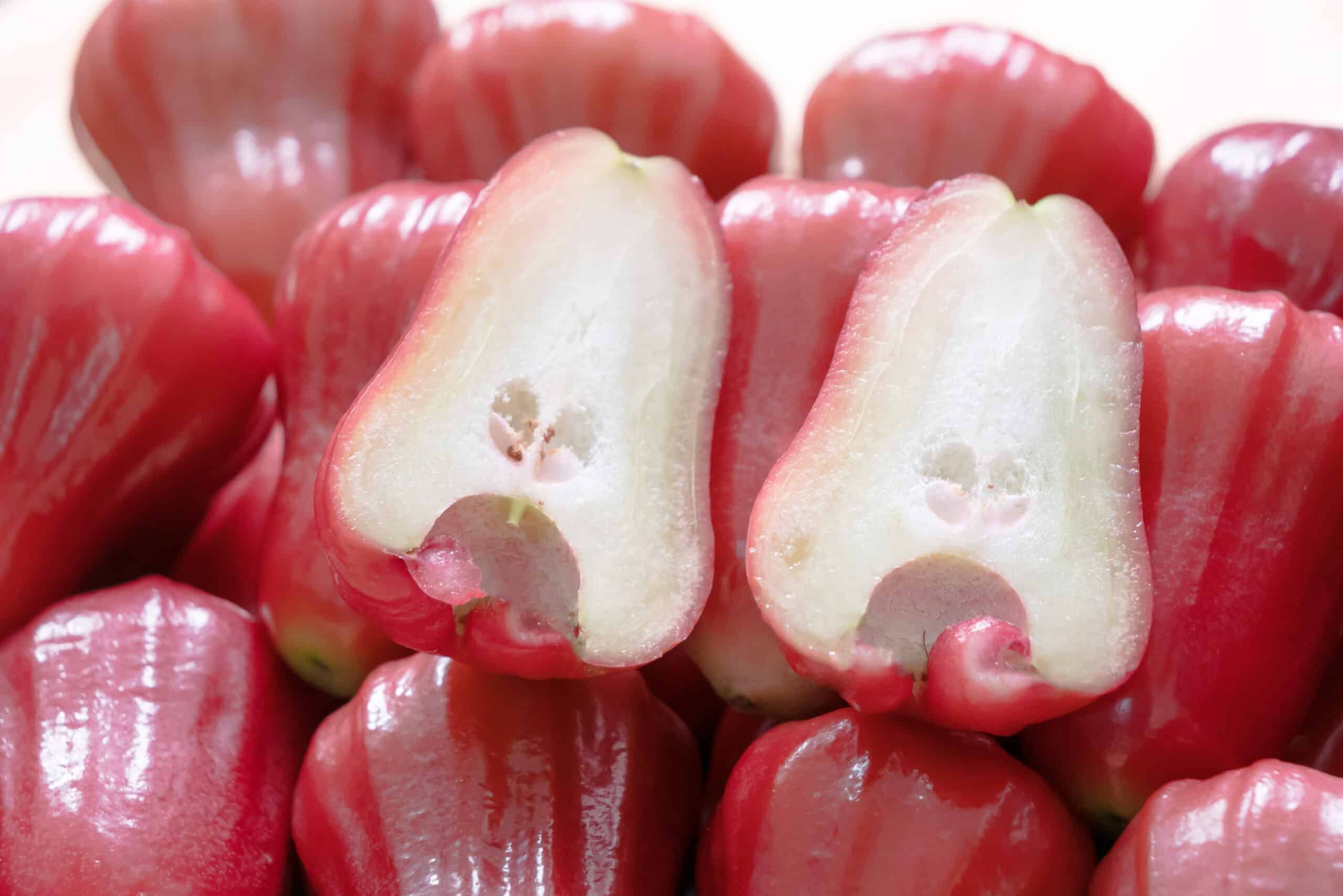
Macopa
Also called: Wax apple

What It Looks Like: Bell-shaped fruit with smooth skin, usually pink or red. Inside is white, airy flesh.
What It Tastes Like: Very mild and lightly sweet. Crisp and watery, similar to watermelon but less sweet.
How It's Usually Eaten: Eaten fresh, also used in fruit salads. The skin is edible. There's usually a small seed in the center that's removed.
Where to Find It: Not very common. Sometimes available at Asian markets, usually during season.
Siniguelas
Also called: Spanish plum

What It Looks Like: Small oval fruit that turns yellow, red, or deep purple when ripe. The skin is thin, with a single hard pit inside.
What It Tastes Like: Sweet with a little sour. Ripe fruits are juicier and sweeter; unripe ones are more sour and firm.
How It's Usually Eaten: Eaten fresh when ripe. The skin is edible. The hard pit is not eaten.
Where to Find It: Not very common. Sometimes available at Asian or Latin markets.
Aratiles
Also called: Jamaican cherry

What It Looks Like: Small round red berries with thin skin and tiny edible seeds inside.
What It Tastes Like: Sweet with a light sour taste. Soft and juicy.
How It's Usually Eaten: Eaten fresh, often right off the tree. The seeds are tiny and usually swallowed.
Where to Find It: Very hard to find fresh outside tropical areas. Rarely seen in U.S. stores.
Duhat
Also called: Java plum
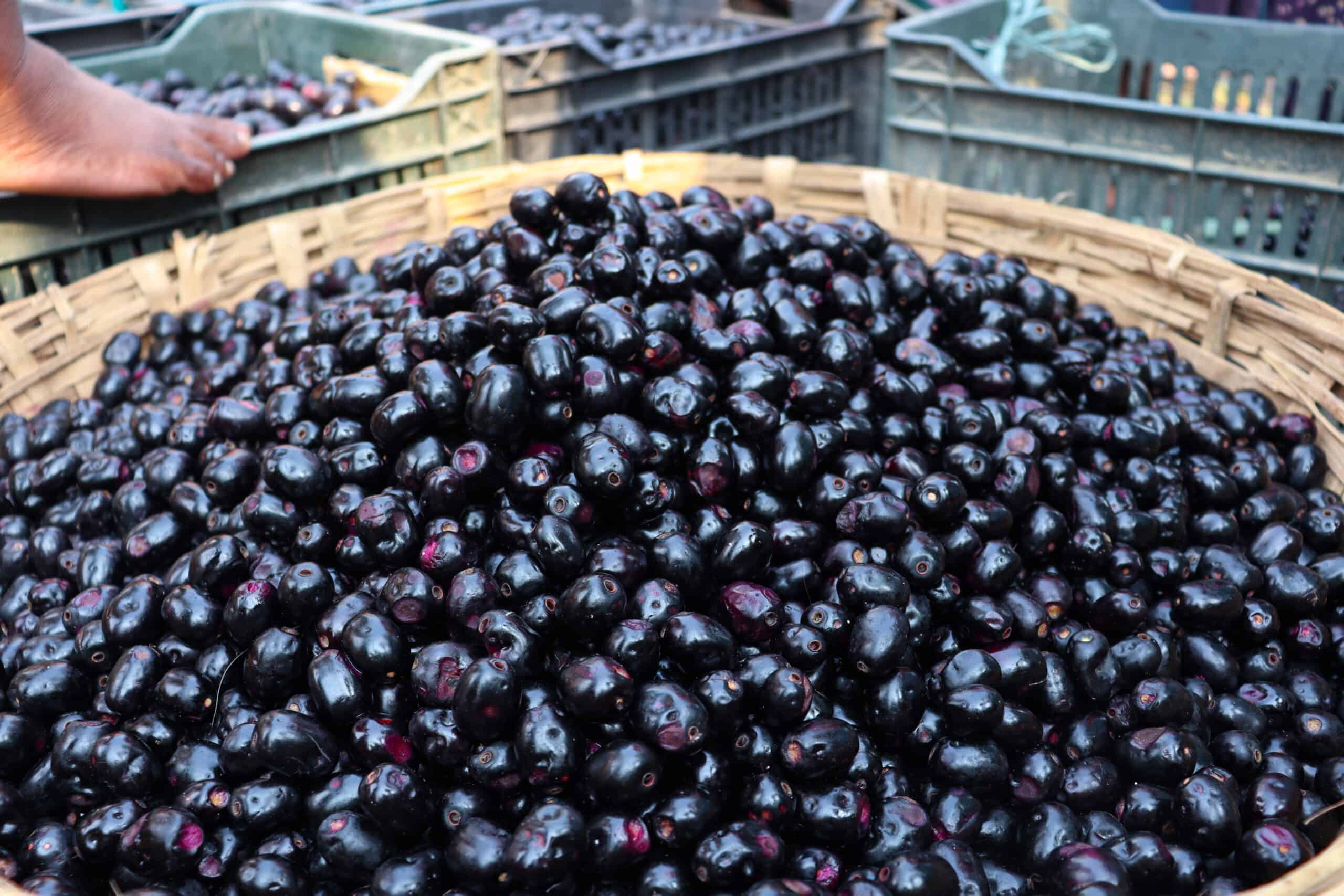
What It Looks Like: Small oval fruit that turns dark purple or almost black when ripe. Inside is light-colored flesh with one large seed.
What It Tastes Like: Sweet with a little sour. After eating it, your mouth may feel a bit dry or tight, like eating an unripe banana.
How It's Usually Eaten: Eaten fresh. The skin is edible. Spit out or discard the large seed.
Where to Find It: Not very common. Sometimes available at Asian markets during season.

Kaimito
Also called: Star apple

What It Looks Like: Round fruit with smooth skin, usually purple or green. When cut across, the inside forms a star shape. The flesh is white near the center and darker near the skin, with a few seeds.
What It Tastes Like: Sweet with a mild, milky taste. The flesh is soft and slightly jelly-like.
How It's Usually Eaten: Cut in half and scoop out the flesh with a spoon. The skin and seeds are not eaten.
Where to Find It: Not very common. Sometimes available at Asian markets during season.

Kamias
Also called: Bilimbi

What It Looks Like: Small green fruit that is long and narrow. The skin is smooth and feels a little slippery.
What It Tastes Like: Very sour. Much more sour than calamansi or lime.
How It's Usually Eaten: Not eaten on its own. Used to add sour flavor to dishes like sinigang, or pickled.
Where to Find It: Fresh kamias is hard to find. More commonly sold frozen or pickled at Filipino or Asian markets.
Passion fruit

What It Looks Like: Round fruit with thick skin, usually purple or yellow. Inside is soft, jelly-like pulp with many black seeds.
What It Tastes Like: Sweet and sour at the same time, with a strong citrus flavor.
How It's Usually Eaten: Cut it in half and scoop out the pulp with a spoon. The seeds are edible. The skin is not eaten. It's often used in drinks and desserts.
Where to Find It: Sometimes available at grocery stores and Asian markets.
Bayabas
Also called: Guava

What It Looks Like: Round or oval fruit with green or yellow skin. Inside is pink or white flesh with many small seeds.
What It Tastes Like: Sweet with a little tartness. Unripe guava is firmer and more tart. Ripe guava is softer and sweeter.
How It's Usually Eaten: Eaten fresh, often sliced. The skin is edible. The small seeds are edible but can be hard.
Where to Find It: Sometimes available at regular grocery stores and Asian markets.

Frequently Asked Questions About Filipino Fruits
Some of the most common fruits in the Philippines are mango, banana, coconut, papaya, and pineapple. There are also many Filipino fruits like calamansi, atis, guyabano, and santol that are part of everyday meals but may be less familiar outside the country.
Both. Some Filipino fruits are very sweet, while others are very sour. Many fall somewhere in between. For example, mangoes and atis are sweet, while calamansi, kamias, and sampalok are very sour. Ripeness also affects the taste.
Many Filipino fruits can be found at Asian or Filipino markets. Some are sold fresh when in season, while others are easier to find frozen, canned, or as bottled juice. You may also be able to order certain items online through stores like H Mart or Weee!.
Both. Many fruits are eaten fresh, but others are used in cooking, drinks, desserts, or sauces. Some fruits are used mainly for sour flavor, like sampalok and kamias, while others are blended into smoothies or desserts.
Fruits like atis, dalanghita, camachile, and aratiles can be hard to find fresh outside the Philippines. They may be seasonal or sold only in limited markets, and some are more commonly available in frozen or processed form.
Filipino fruits range from sweet and creamy to very sour. They come in all kinds of flavors and textures. Some are everyday snacks back home, while others might be new if you didn't grow up with them.
If you spot any of these fruits at a market, don't be afraid to try one - tasting them is the easiest way to understand why they're such a big part of Filipino food.
If there's a Filipino fruit you love (or one you're curious about), let me know in the comments. I'd love to hear about it.
More Filipino Food Guides


Did you like this post? I would love to know! Your feedback helps me make better recipes. Please rate, review, or comment below. Questions about this post are welcome, too!
Let's connect on Facebook, Instagram, Pinterest, TikTok, Twitter, and Youtube. Be sure to tag me when you try any of my recipes @recipesbynora!


Jinkie says
Love this!
Nora Reyes says
Thank you, Jinkie!