
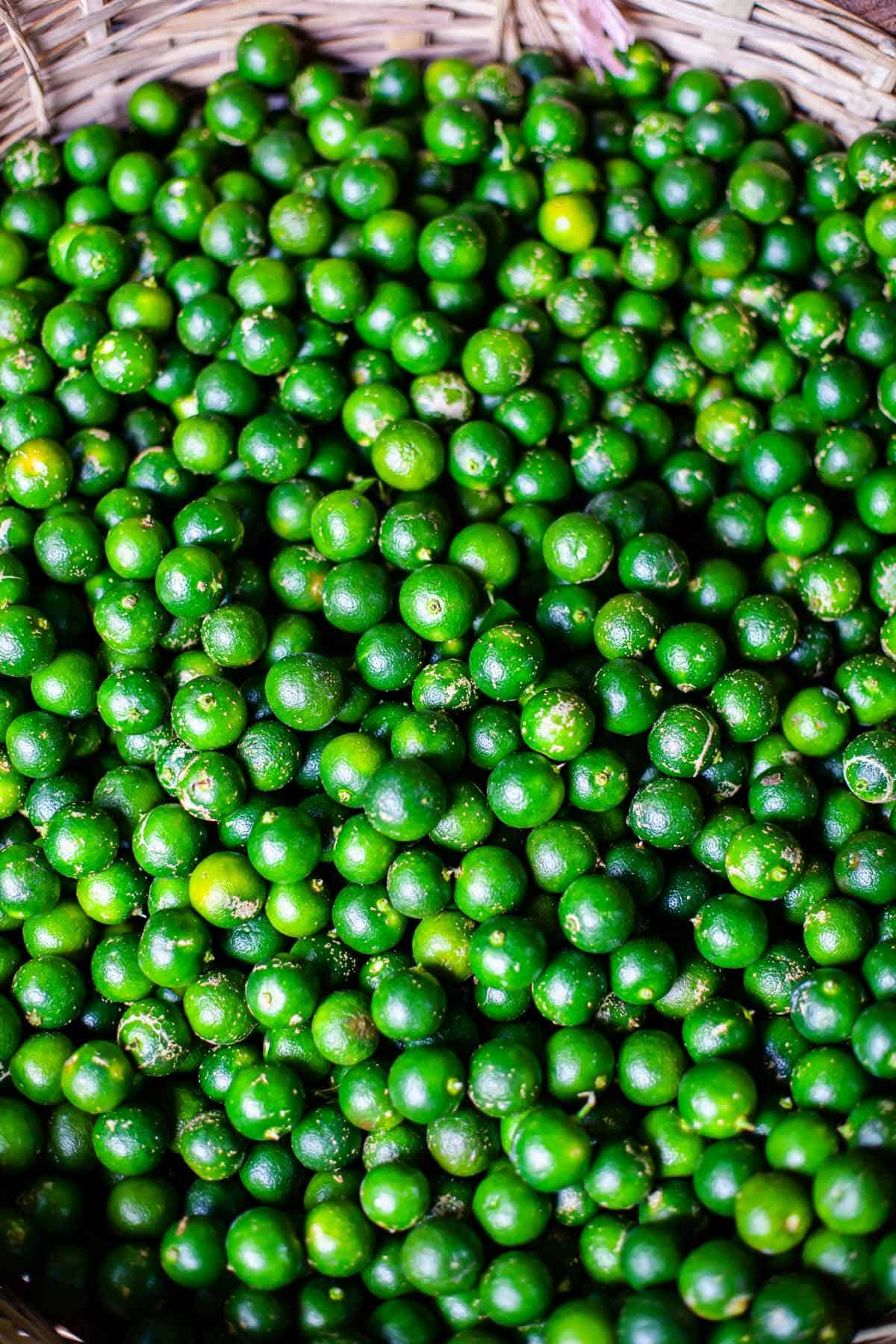
Calamansi is one of those ingredients that shows up everywhere in Filipino cooking. It's round and usually green, with a bright, tart flavor.
If you've ever squeezed calamansi over pancit or mixed it into a dipping sauce, you know how much it can wake up a dish. Even though the fruit is small, the flavor is strong and refreshing.
If you've never tried calamansi before, here's what it tastes like, how we use it, and what you can use instead if you can't find it.
Jump to:
What is Calamansi?
Calamansi (also spelled kalamansi) is a small citrus fruit that's widely used in the Philippines. You'll also hear it called calamondin or Philippine lime.
It's about the size of a large marble. The skin is usually green when it's picked, though it turns yellow-orange as it fully ripens.
The inside is bright orange and very juicy, similar in color to a small tangerine. Even though it looks similar to a lime, the flavor is sharper and a little more complex.
The flavor is very tart - like lime - but with a slight hint of mandarin sweetness, especially when ripe.

What Does Calamansi Taste Like?
Calamansi has a bright, tart flavor that's similar to lime, but slightly less sharp. It's mostly sour, with a little sweetness, especially when the fruit is fully ripe and turns yellow.
The more sour than mandarin, and the citrus flavor is stronger than lime. Because the fruit is small but very juicy, even a small squeeze can go a long way.
That bright sour taste is why calamansi is used so often in Filipino cooking. A small squeeze adds flavor without overpowering the dish.

How to Use Calamansi in Cooking
Calamansi is usually used for its juice. The fruit is cut in half and squeezed over food or mixed into sauces. Even a small squeeze can add a lot of citrus flavor.
In Filipino cooking, calamansi is often used in:
- Dipping sauces (sawsawan) - Mixed with soy sauce, fish sauce, vinegar, chili garlic oil, and chilies.
- Noodles - Squeezed over pancit dishes just before eating.
- Marinades - Used with soy sauce and garlic for dishes like bistek or barbecue.
- Soups - Added at the table for dishes like arroz caldo.
- Drinks - Mixed with water and sugar to make calamansi juice.
- Desserts and baked goods - Used to flavor cakes, muffins, and other sweets.
How to Buy and Store Calamansi
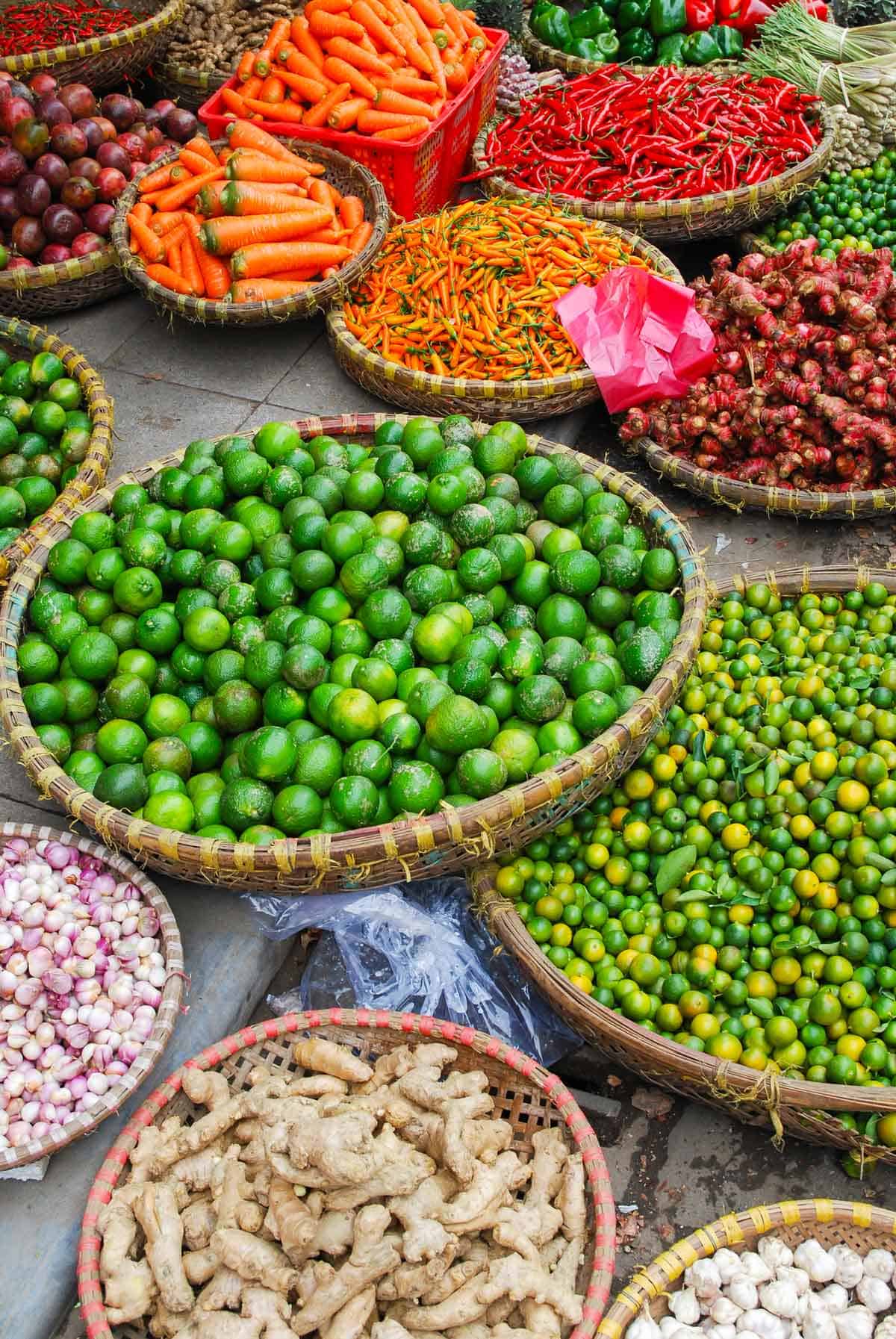
When buying calamansi, look for fruits that feel firm and heavy for their size. The skin is usually green when the fruit is used, though it may turn yellow-orange as it ripens.
Small bumps on the skin are normal. These are natural oil glands found in many citrus fruits.
If you plan to use calamansi within a few days, you can keep them at room temperature. For longer storage, place them in the refrigerator.
You can also squeeze the juice and freeze it in small portions to use later.
If fresh calamansi is hard to find, many stores also sell bottled calamansi juice or concentrate, which can work for drinks, sauces, and marinades.
Filipino Recipes with Calamansi
Calamansi is used in many dishes for its bright, sour flavor. Here are some common ways it appears in Filipino recipes:
- Calamansi: A refreshing drink made by mixing calamansi juice with water and sugar or honey.
- Noodles: Calamansi is often squeezed over noodle dishes like pancit canton, pancit bihon, pancit palabok, sotanghon guisado, and pancit malabon.
- Arroz caldo: A rice porridge with chicken, ginger, and usually served with a squeeze of calamansi just before eating.
- Calamansi muffins: Light, fluffy muffins made with calamansi.
- Sinigang: A sour soup with pork, shrimp, or fish. Tamarind is the usual souring agent, but calamansi can also be used.
- Bistek tagalog: Beef marinated in soy sauce and calamansi, then cooked with onions. Bangus ala pobre is a similar dish made with milkfish and garlic.
- Barbecue and marinades: Calamansi is often mixed with soy sauce, garlic, and sugar for marinades used in Filipino barbecue, inihaw na liempo, chicken inasal, and grilled seafood.

FAQs About Calamansi
No. Calamansi is smaller and has orange flesh inside, while lime is larger and pale green inside.
Both are sour, but lime tastes sharper while calamansi has a slight sweetness.
If you can't find fresh calamansi, lemon juice is the easiest substitute. It has a similar bright sour flavor and works well in many recipes.
You can also use lime juice, which is slightly sharper. For something closer to calamansi, try lemon juice with a small amount of orange juice.
No. Like other citrus fruits, calamansi does not ripen after it's picked. The skin may turn from green to yellow, but the fruit will not become sweeter.
Yes. You can squeeze the juice and freeze it in small containers or ice cube trays. This makes it easy to use later in drinks, marinades, or dipping sauces.
Calamansi is usually used for its juice. The fruit is cut in half and squeezed over food or mixed into sauces and drinks.
More Filipino Food Guide



Did you like this post? I would love to know! Your feedback helps me make better recipes. Please rate, review, or comment below. Questions about this post are welcome, too!
Let's connect on Facebook, Instagram, Pinterest, TikTok, Twitter, and Youtube. Be sure to tag me when you try any of my recipes @recipesbynora!



Christine says
I wish i can access fresh calamansi here in the States. It’s the best citrus, in my opinion.
Nora Reyes says
Hi Christine, Right?! Fingers crossed you'll find them fresh sometime soon. Until then, there's always bottled calamansi juice or other citrus substitutes.