
Vinegar, or suka, is one of the most important ingredients in Filipino cooking. It adds the sour flavor in dishes like adobo, paksiw, and kinilaw.
There are many kinds and each has a slightly different flavor. Most are made by fermenting ingredients like sugarcane, coconut sap, or nipa palm sap.
In this guide, we'll go over the most common types of Filipino vinegar and how they're used in everyday cooking.

Jump to:
What is Filipino Vinegar (Suka)?
Filipino vinegar, called sukâ, is a sour liquid made through fermentation.
It is usually made from ingredients like sugarcane, coconut sap, or nipa palm. As they ferment, they turn into vinegar with a sharp, sour taste.
In Filipino cooking, vinegar is added to marinades, dipping sauces, and dishes like adobo, paksiw, and kinilaw. It adds sourness that helps bring out other flavors and cuts through greasy or salty foods.
Types of Filipino Vinegar
Many types of vinegar are used throughout the Philippines. Most are made from fermented plant sap or juice, which gives each one a slightly different flavor.
Here are some of the most common varieties.
Cane Vinegar (Sukang Maasim)
Cane vinegar is the most widely used vinegar in the Philippines. It's made from fermented sugarcane juice and has a clean, mild sour flavor.
It's commonly used for everyday cooking, dipping sauces, and dishes like adobo or paksiw.

Sukang Iloco
Sukang Iloco comes from the Ilocos region. It's made from basi, a traditional fermented sugarcane wine.
This vinegar is usually darker and has a deeper flavor than regular cane vinegar. It's usually served as a dipping sauce for Ilocos empanada.

Coconut Vinegar
Coconut vinegar is made from fermented sap from coconut palm trees. It has a sharper, more pronounced sour flavor.
It's often used in dishes like kinilaw or in vinegar-based dipping sauces.

Sukang Paombong
Sukang Paombong comes from the town of Paombong in Bulacan. It has a strong flavor and is commonly used for dipping sauces and marinades.
Nipa Vinegar (Sukang Sasa)
Nipa vinegar is made from the fermented sap of the nipa palm, a type of palm used to make vinegar in the Philippines.
It has a slightly sweet taste with a strong sour flavor. As it ages, the sourness becomes more pronounced.

Vinegar-Based Dipping Sauces
In Filipino meals, dipping sauces are called sawsawan. Vinegar is one of the most common bases for these sauces.

A simple vinegar dipping sauce can be made with garlic, salt, and pepper. Some add soy sauce, chopped onions, ginger, or chilies.
Spiced vinegars are another common version, where vinegar is flavored with aromatics and chilies for extra flavor.
One well-known example is Sukang Pinakurat, a bottled coconut vinegar.

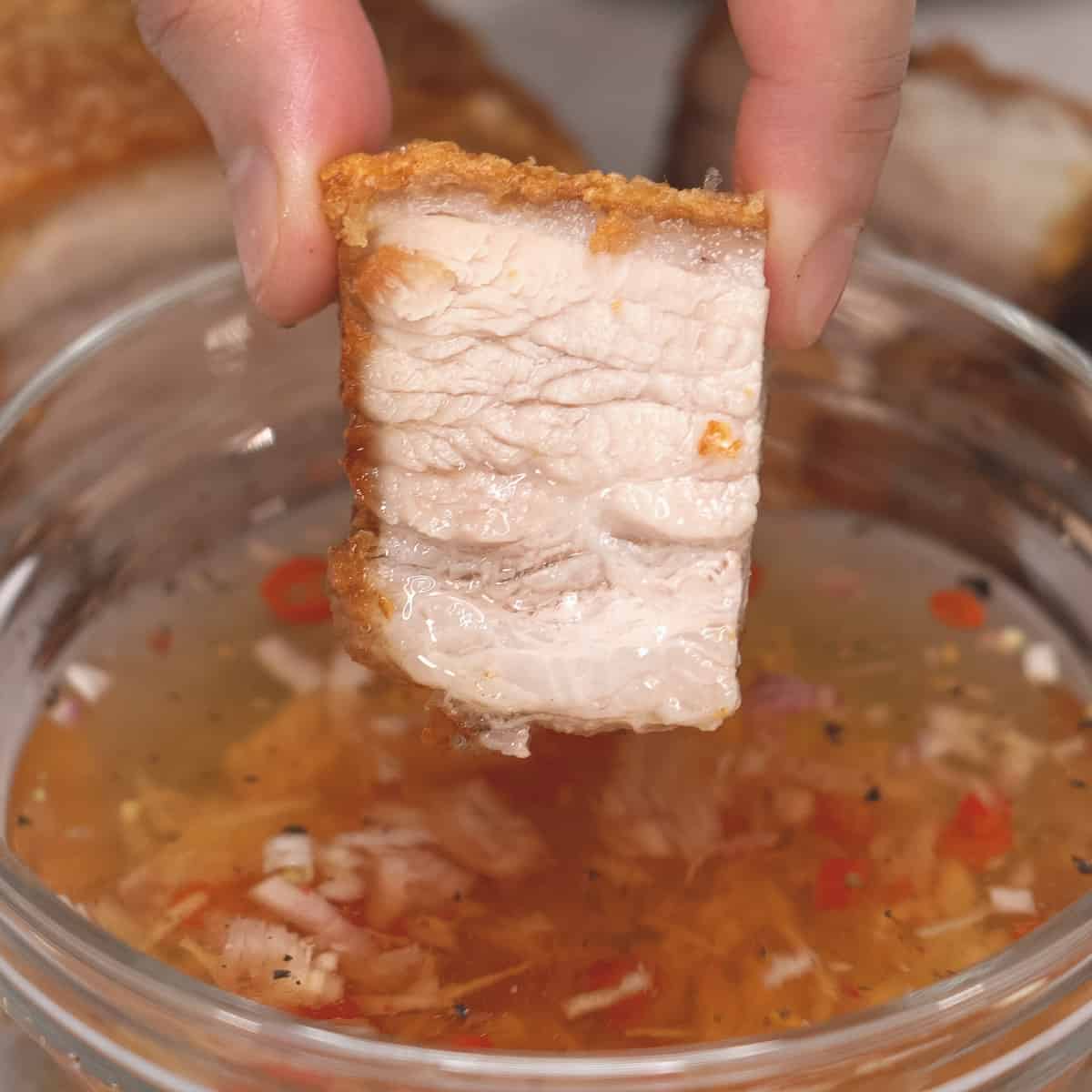
Vinegar dipping sauces are often served with fried or grilled foods like lechon kawali, lumpia, or inihaw na liempo.
Where to Buy Filipino Vinegar
In the U.S., Filipino vinegar is usually available at Filipino grocery stores and many Asian supermarkets. You can also find it online.
Some common brands are Datu Puti, Silver Swan, and Marca Piña.
How to Store Vinegar
Vinegar keeps well because it's acidic. Store it in a cool, dry place away from direct sunlight.
It doesn't need to be refrigerated. Just keep the bottle tightly closed to keep it fresh.
Filipino Recipes That Use Vinegar
Vinegar is used in many Filipino dishes. Here are some common examples:
Adobo
A classic Filipino dish where meat like pork or chicken is cooked in vinegar, soy sauce, garlic, and spices.
Kinilaw
This is like ceviche, which uses vinegar to cure raw fish or seafood along with onions, ginger, and chilies.
Paksiw
A cooking method where meat or fish is cooked in vinegar with garlic, peppercorns, and other seasonings.
Sisig
Chopped pork, onions, and chilies, seasoned with vinegar and soy sauce for a tangy flavor.
Achara
A Filipino pickled relish made with vegetables like green papaya, carrots, and peppers in a sweet and sour vinegar brine.
Sweet and Sour Dishes
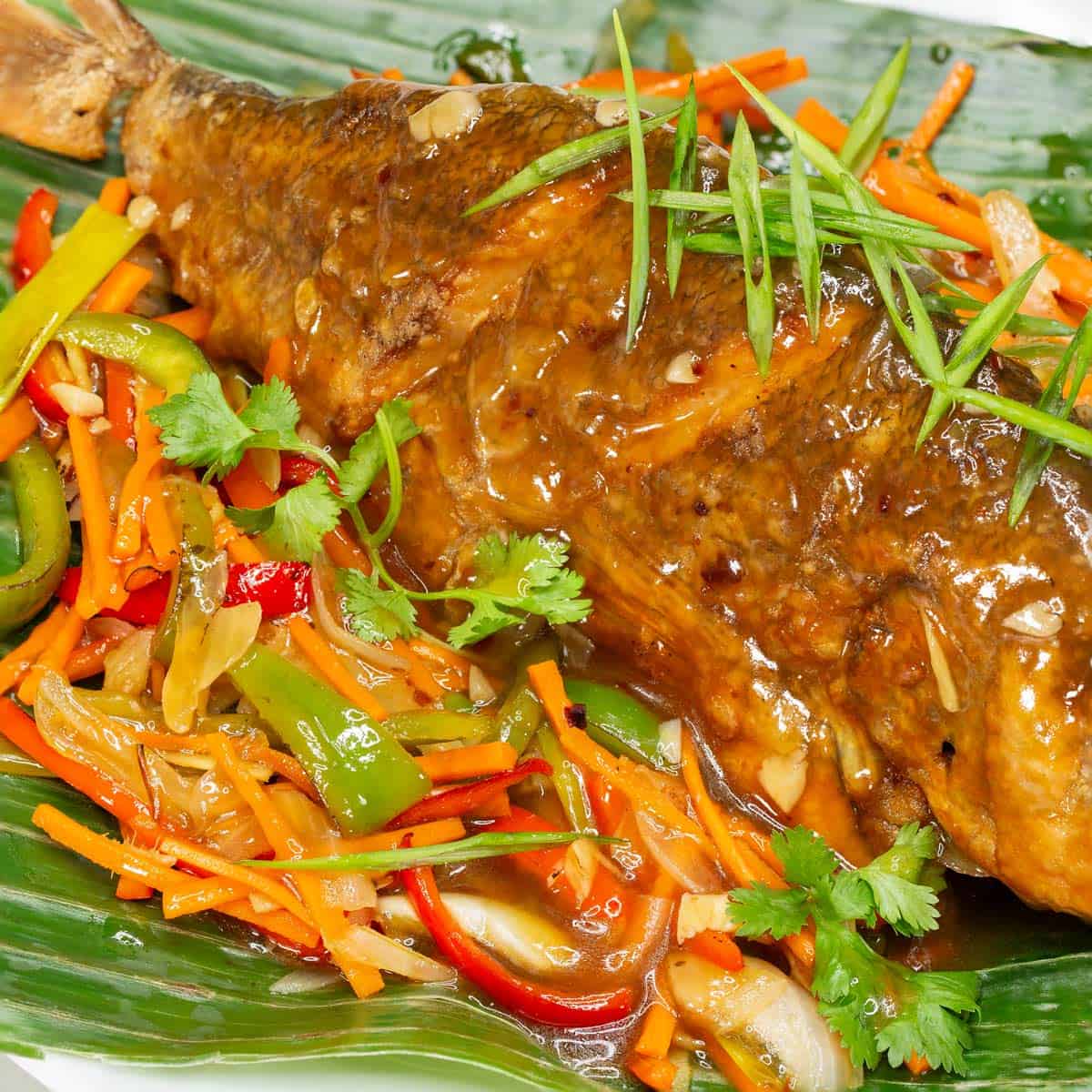
Vinegar is often used to make sweet and sour sauces in Filipino cooking. One example is escabeche, a dish with fried fish and vegetables in a sweet and tangy sauce.
Salads (Ensalada)
Vinegar is often used as a dressing for simple Filipino salads like ensaladang talong, ensaladang mangga, and ensaladang kamatis.

FAQs About Vinegar
The most common types are cane vinegar, coconut vinegar, and palm vinegar. Cane vinegar is usually used for everyday cooking.
Yes. Since many are made from sugarcane or palm sap, they have a different flavor than common vinegars like white vinegar or apple cider vinegar.
No. Vinegar can be stored at room temperature in a cool, dry place as long as the bottle is tightly sealed.
More Filipino Food Guide


Did you like this post? I would love to know! Your feedback helps me make better recipes. Please rate, review, or comment below. Questions about this post are welcome, too!
Let's connect on Facebook, Instagram, Pinterest, TikTok, Twitter, and Youtube. Be sure to tag me when you try any of my recipes @recipesbynora!


Malou says
I didn’t know there were so many different kinds of vinegar. This is very informative. Thank you.
Nora Rey says
Hello Malou,
It's always fun to experiment and try new things in the kitchen, including different types of vinegar. I'm glad you found the information helpful, and I'd love to hear if you have any personal favorites you like to use!